
Project overview
Pushing a parking management approach on the agendas to green mobility strategies in functional urban areas
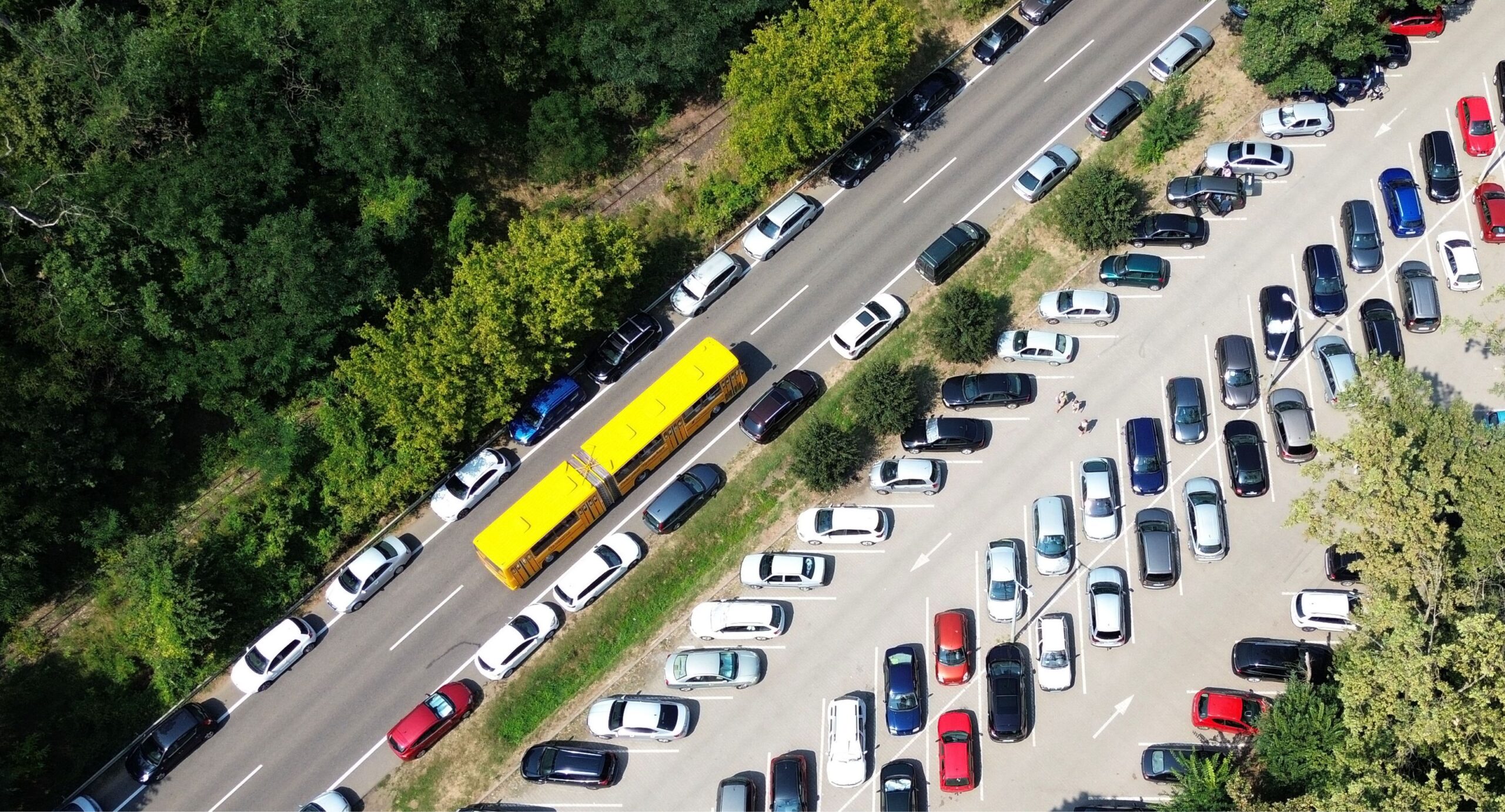
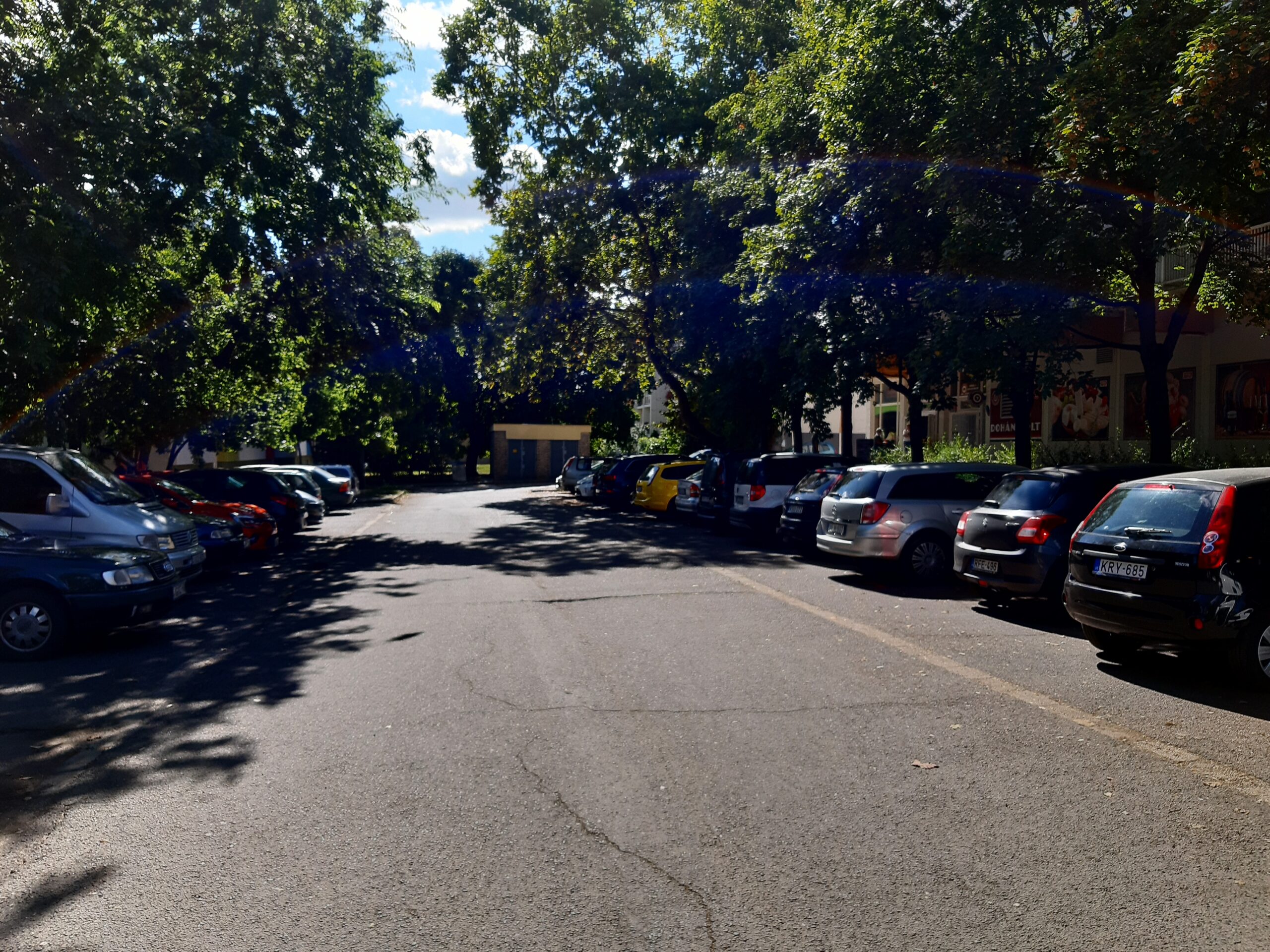
Urban mobility planning has long been focused on cars. As a consequence, parking lots reduce public spaces for trees and plants in cities. The needs of cars are prioritised over the needs of people. To change this, the NXTLVL Parking project reviewed innovative parking policies and transferred them to central Europe. They designed alternative approaches to make mobility planning more sustainable and introduced new strategies and tools for urban parking management that are replicable elsewhere.
-
2,51m €
-
Project Budget
-
80%
-
of the Budget is funded by ERDF
-
8
-
Countries
-
10
-
Regions
-
11
-
Partners
-
1
-
Pilots
Duration
Start date
End date
Project progress
Project partnership
Project partners

Lead partner
Cracow University of Technology
Department of Rail Vehicles and Transport
Project partner
Total partner budget
127,520 €
City Development Office
Total partner budget
127,520 €
N/A
Total partner budget
215,427 €
Department of Chief Architect
Total partner budget
212,473 €
Ressort Raumentwicklung, Landschaft und Landesdenkmalamt Abteilung 28 - Natur, Landschaft und Raumentwicklung
Total partner budget
359,934 €
Total partner budget
250,000 €
Total partner budget
232,500 €
N/A
Total partner budget
153,750 €
Total partner budget
202,431 €
Mobility office
Total partner budget
398,941 €
Roadmap
1
The Challenge: Why NXTLVL Parking was needed
Urban areas across Central Europe face growing motorization, severe parking pressure, traffic congestion, and the loss of valuable public space. Traditional parking management often operates in isolation, disconnected from broader Sustainable Urban Mobility Plans (SUMPs). To solve these issues, the NXTLVL Parking project was launched to help municipalities shift from isolated parking enforcement to integrated, data-driven, and sustainable mobility management.
2
ParkPAD Audits
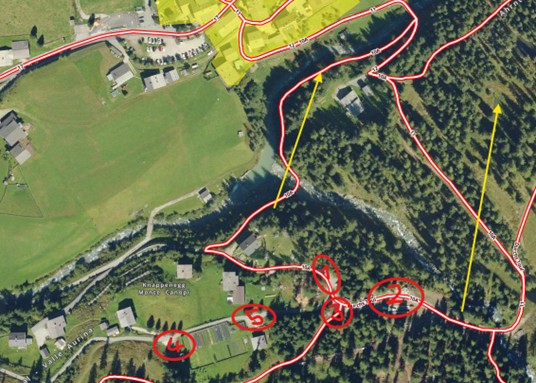
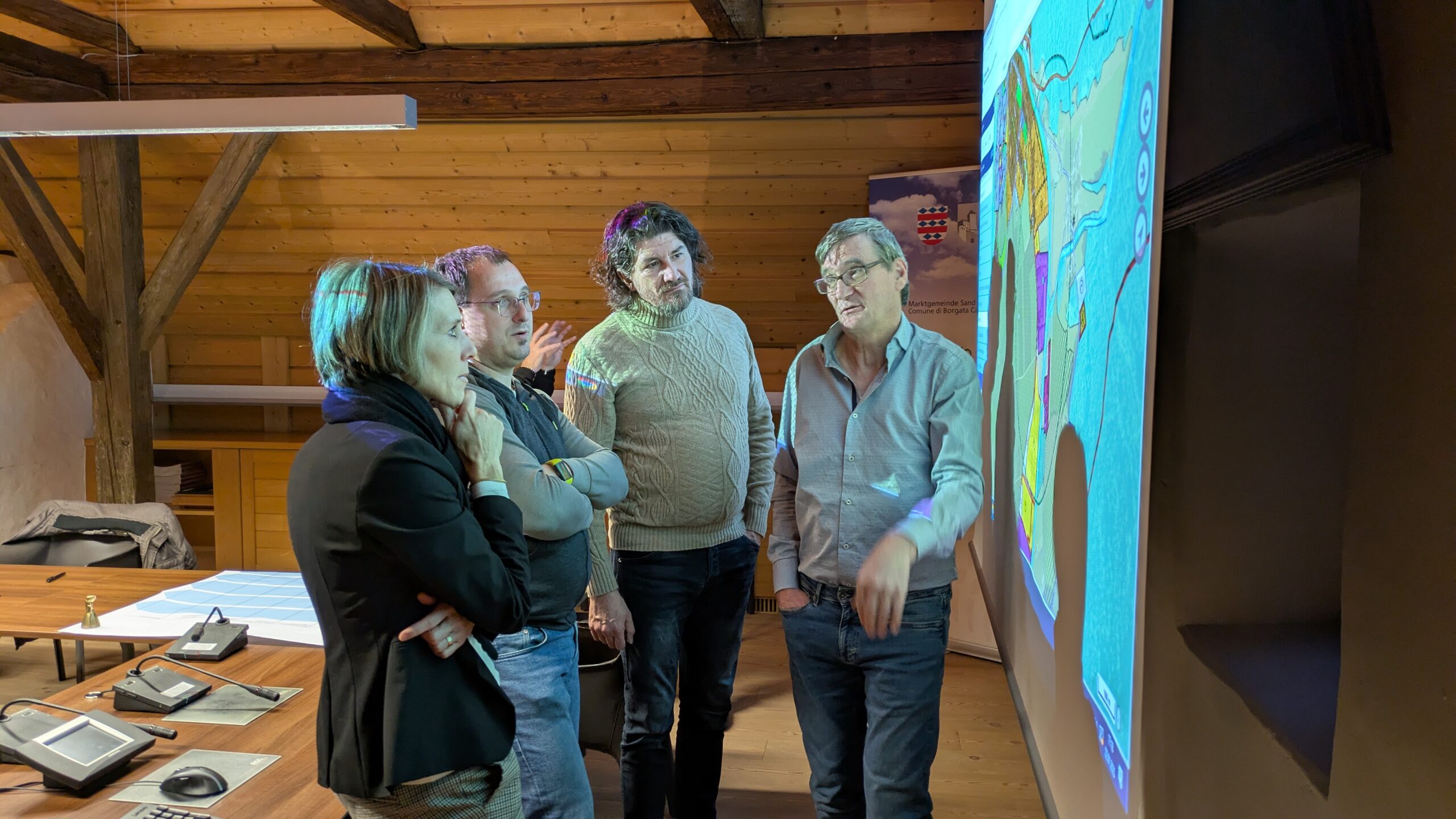
IMG_1852_Photo_by_Autonomous Province of Bolzano/Bozen – South Tyrol
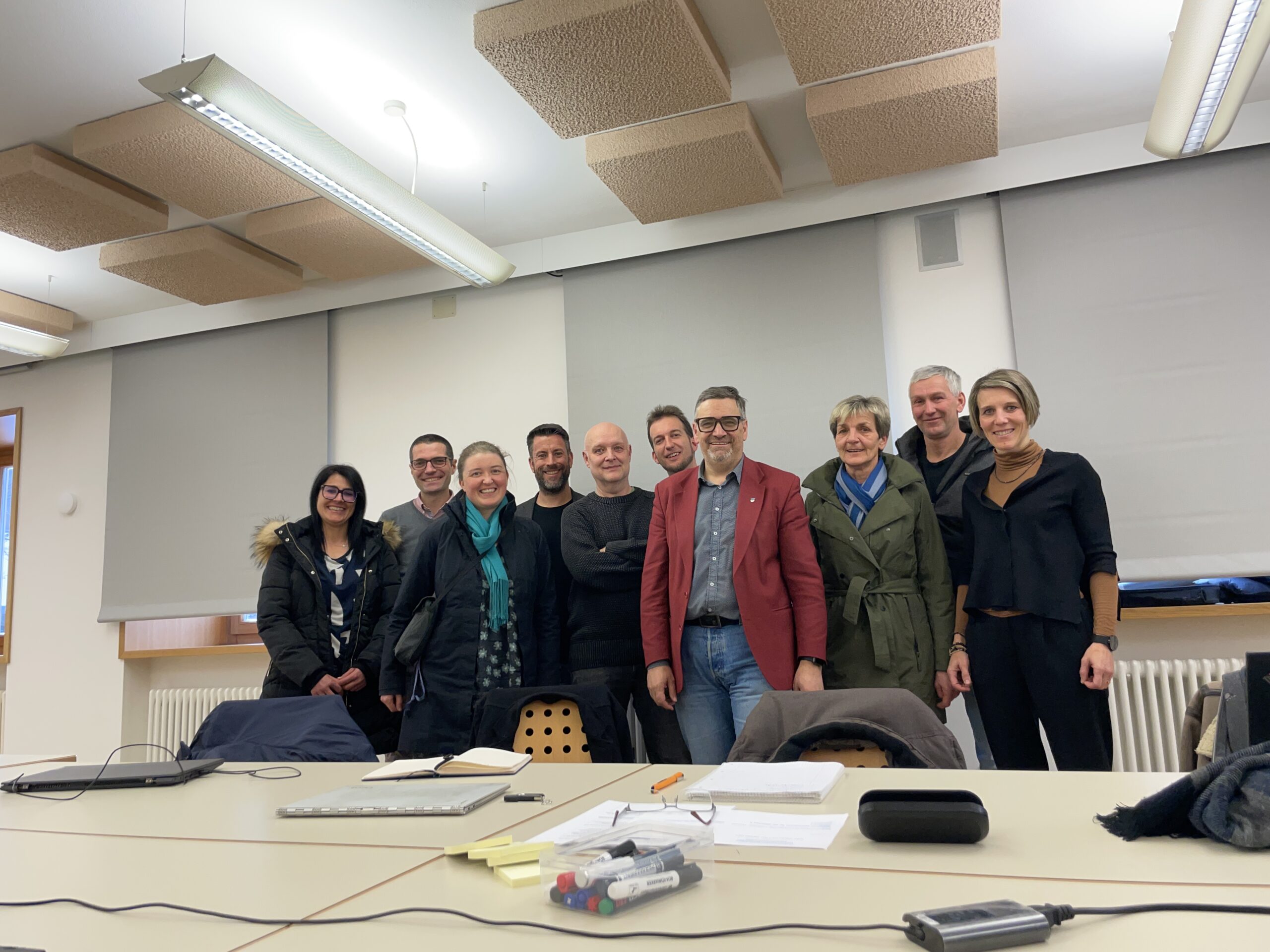
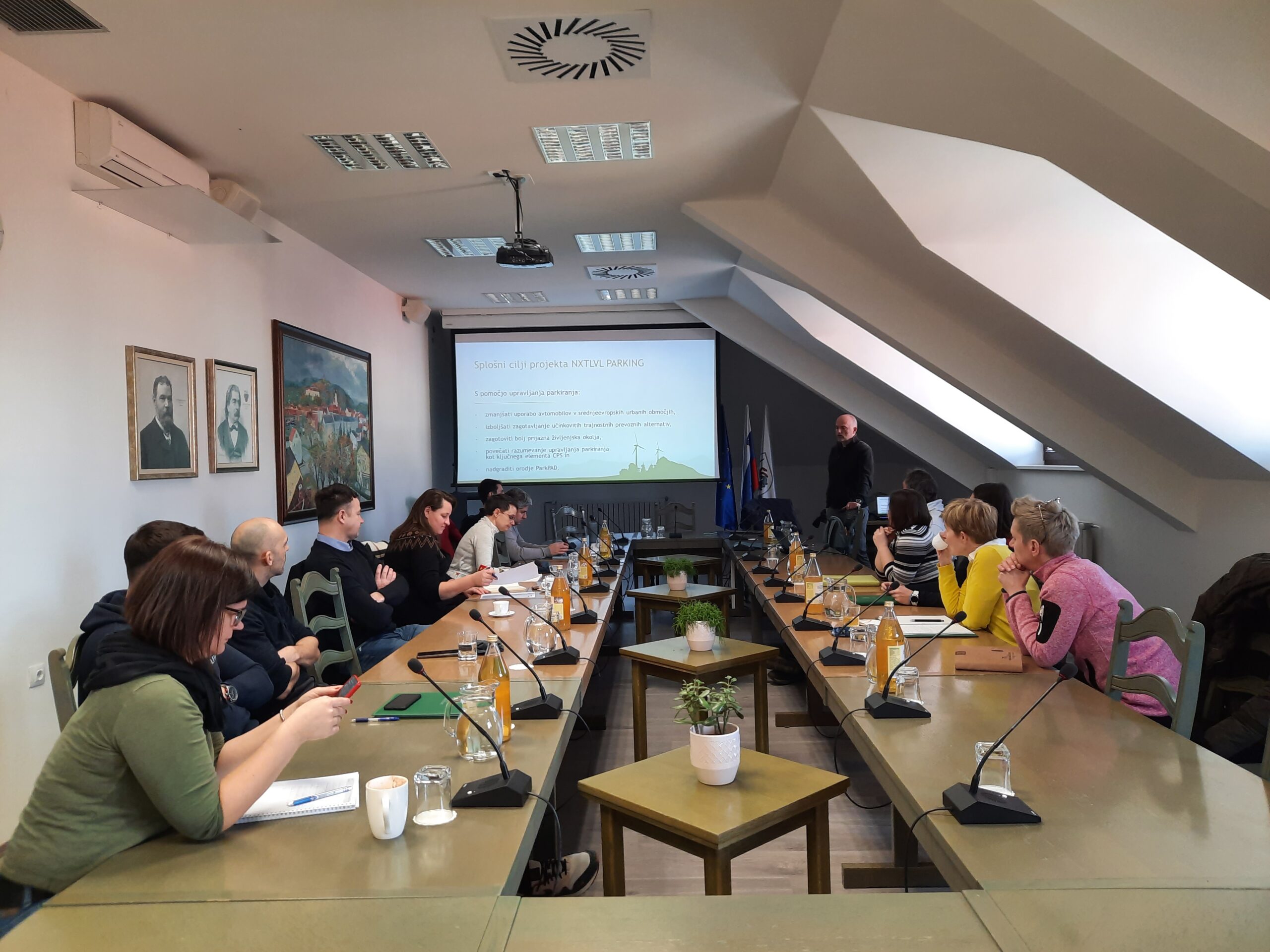
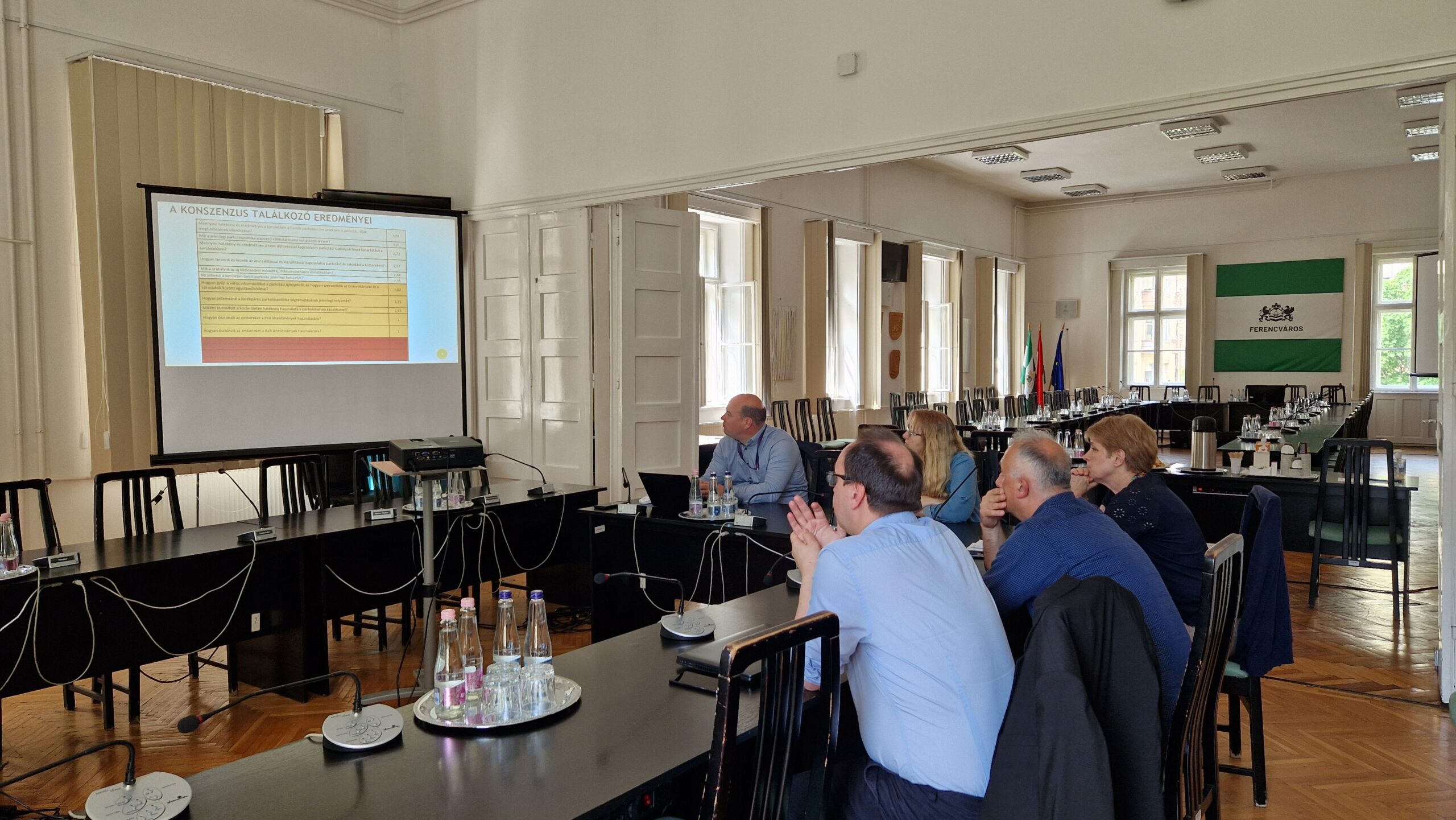
The cornerstone of the project methodology was the ParkPAD (Parking Policy Audit Tool) process. Partner cities (such as Rostock, Žilina, Ferencváros, and Olomouc) conducted comprehensive ParkPAD audits, bringing together multi-departmental working groups and key stakeholders. These audits evaluated existing parking governance, identified key policy gaps, and established a consensus-based foundation for city-specific mobility planning. To ensure long-term impact beyond partner municipalities, follower cities were integrated into the project framework, who completed the ParkPAD audits as well.
3
Pilot actions
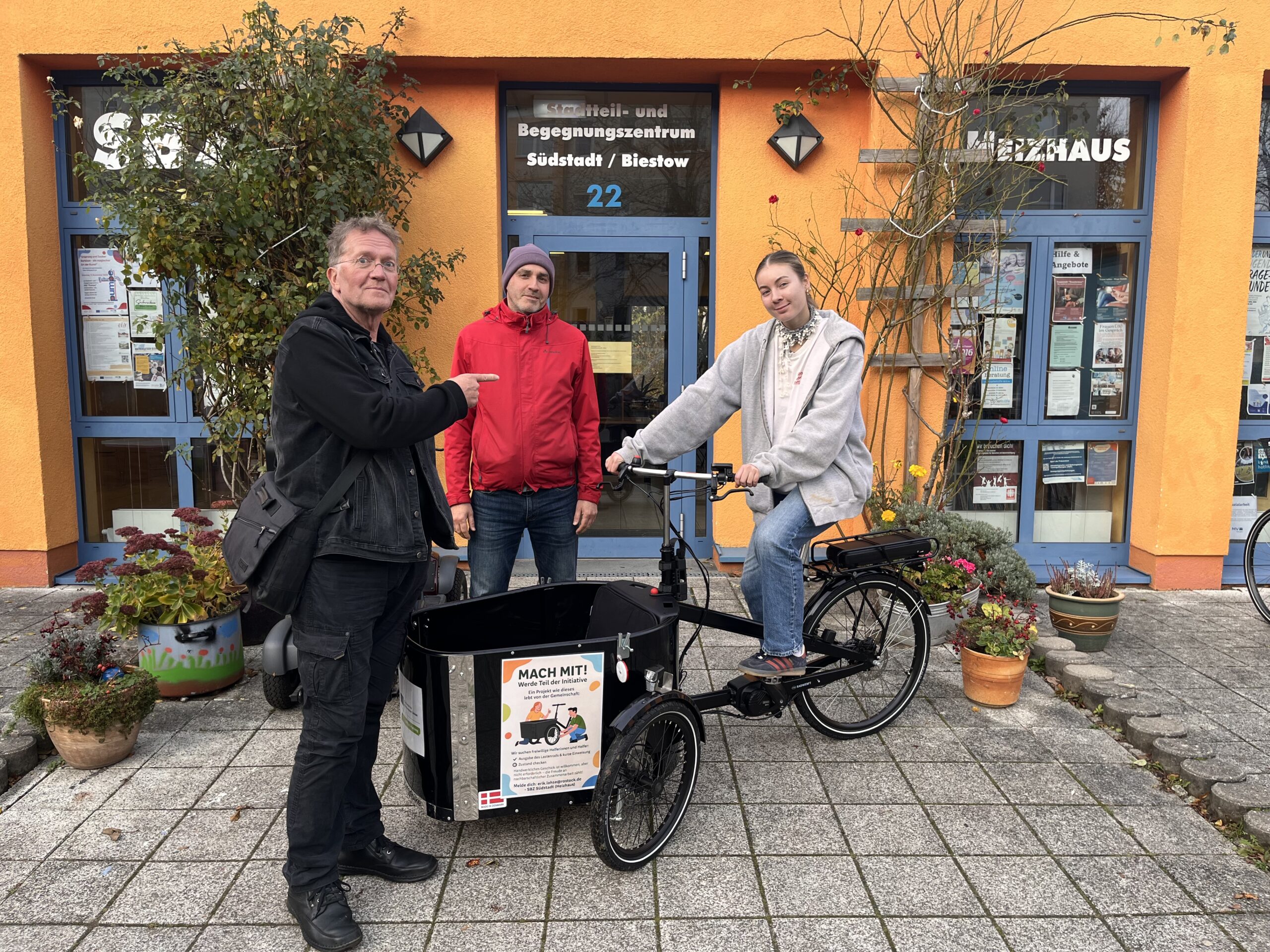
Cargo bike Südstadt. Copyright is Hanseatic City of Rostock/ Erik Lohse
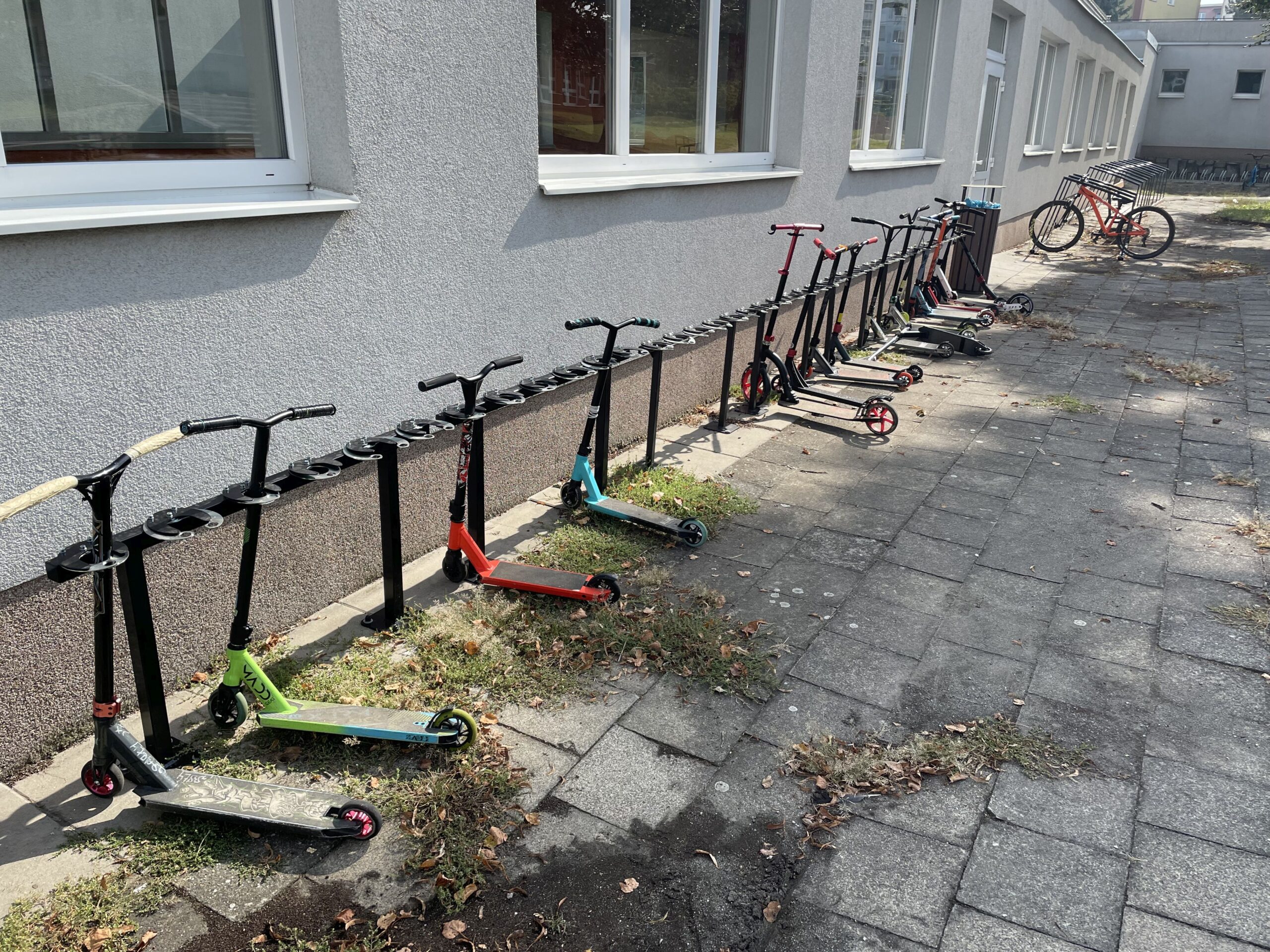
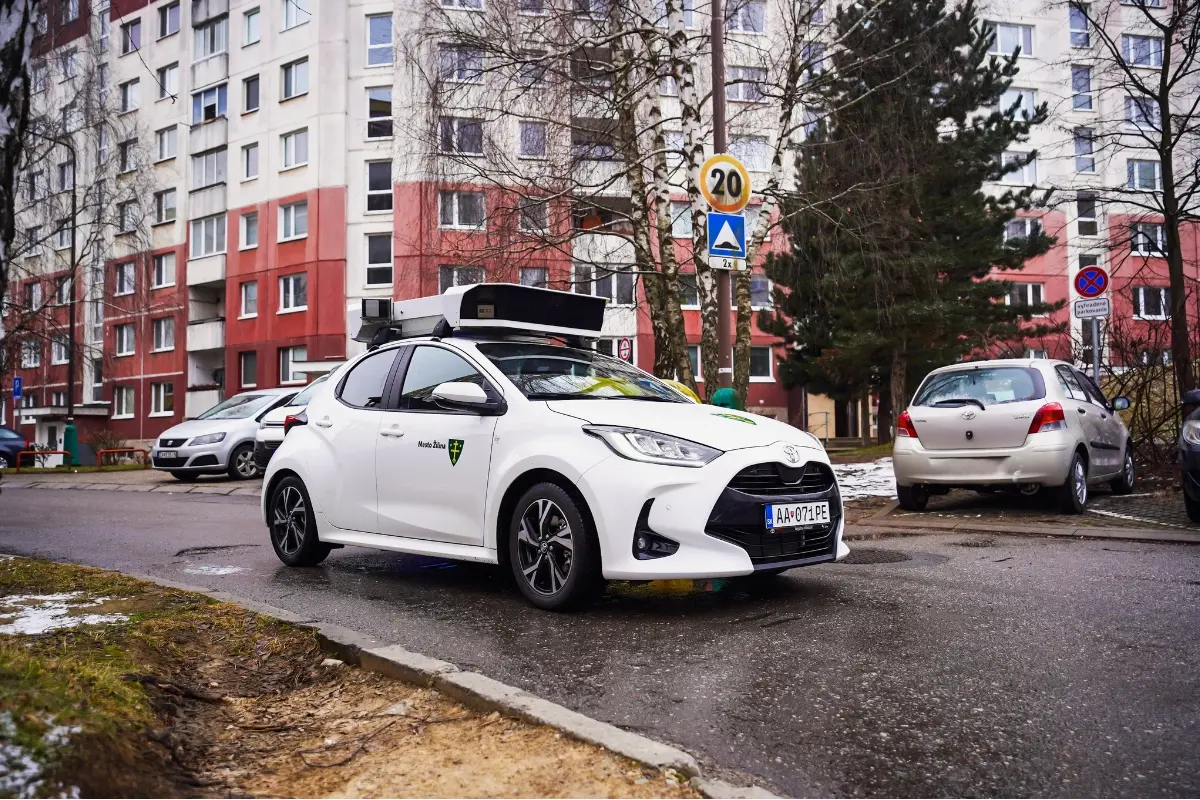
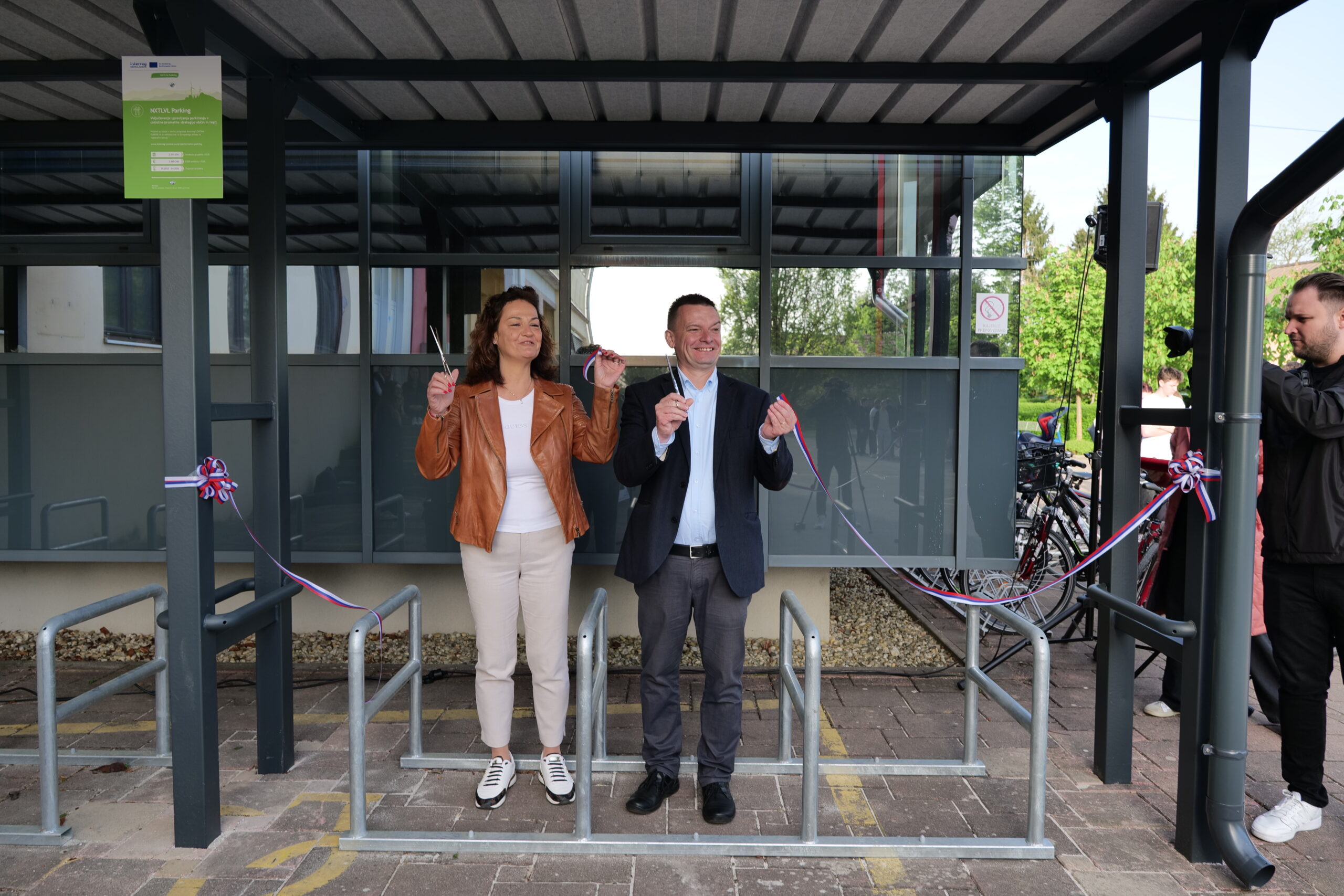
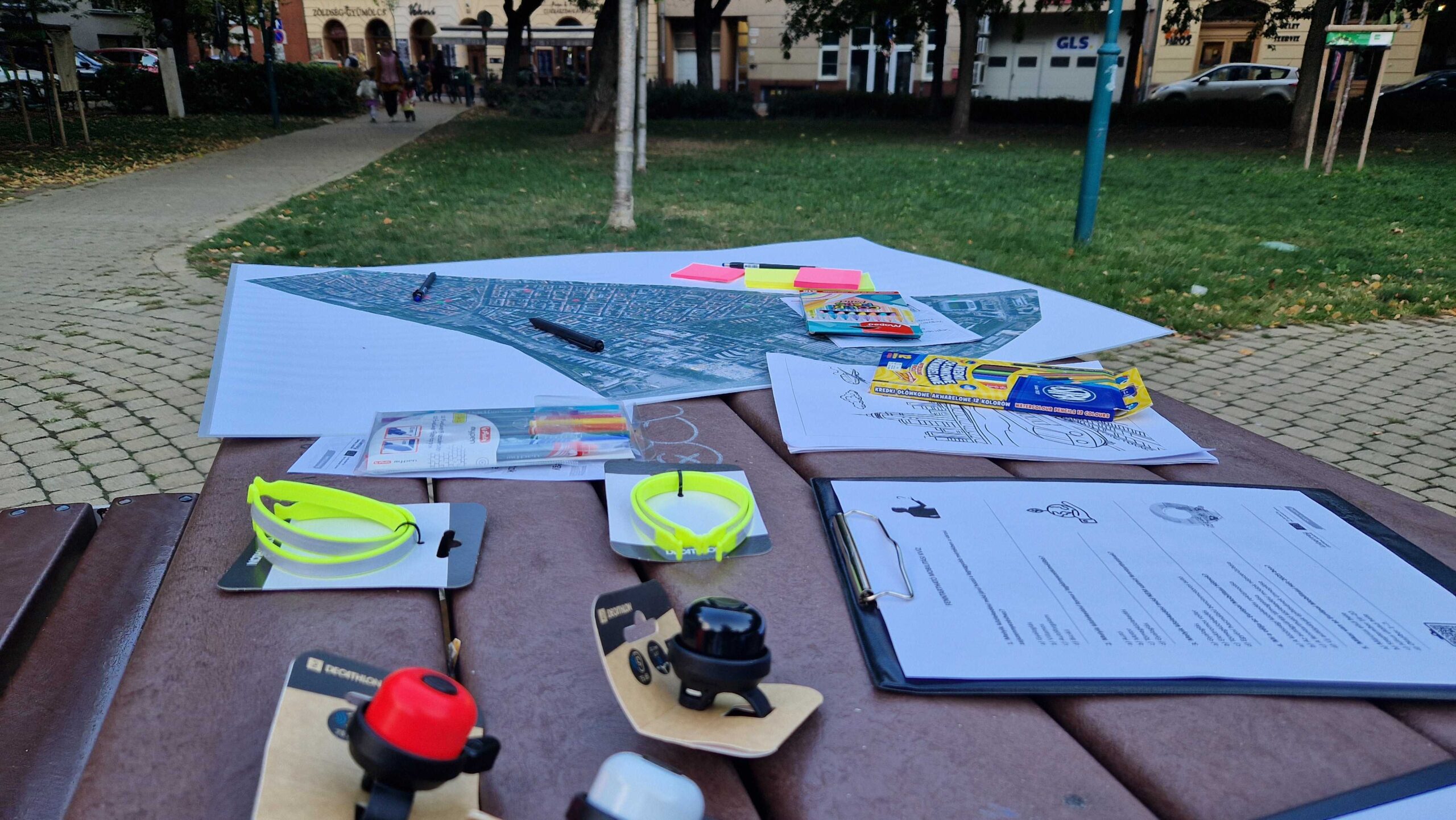
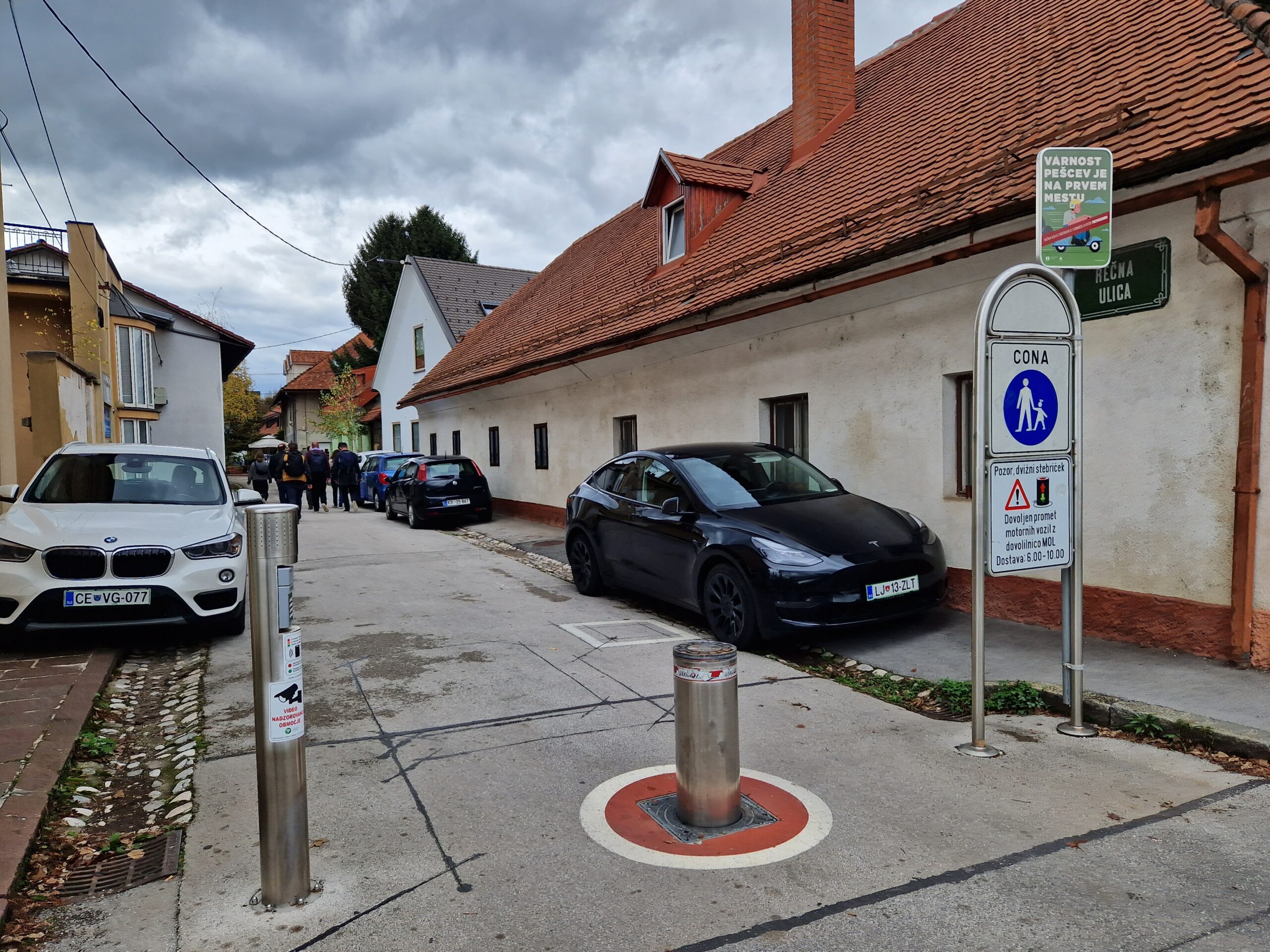
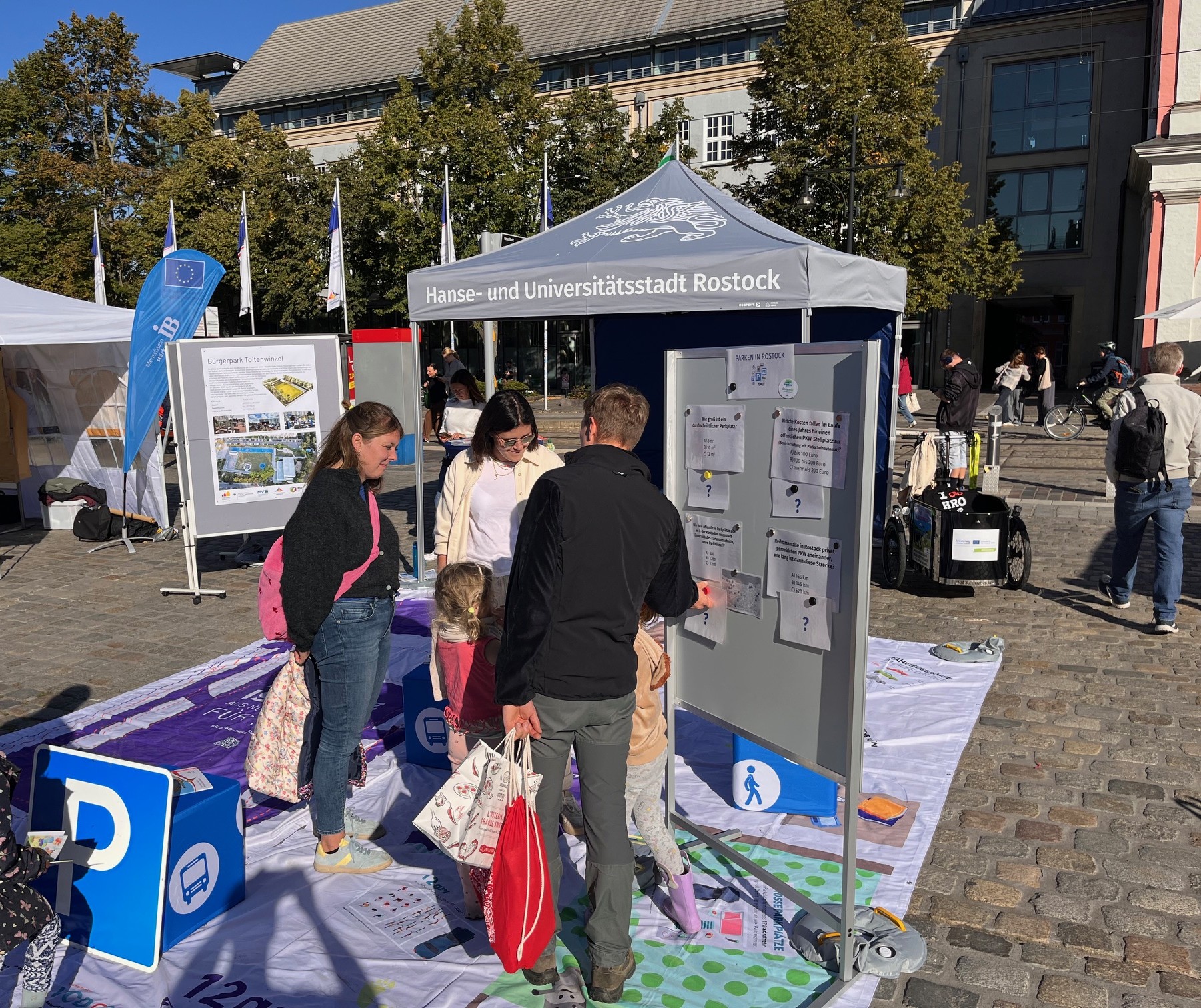
Project partners jointly designed, monitored, and evaluated 14 pilot demonstrations testing both "push" (regulatory) and "pull" (incentive) mobility solutions across Central Europe. Key initiatives included real-time fire lane sensors and AI scanning vehicles in Rostock, digitalized resident parking and GIS bike mapping in Žilina, a "residential parking only" scheme alongside covered B&R bike storage in Ferencváros, and new bicycle racks at schools combined with interactive map-based citizen engagement in Olomouc.
4
Knowledge Sharing, webinars & capacity building
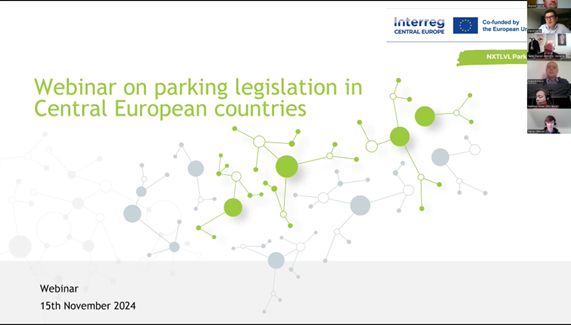
NXTLVLParkingProject_LegislationWebinar_scrnsht
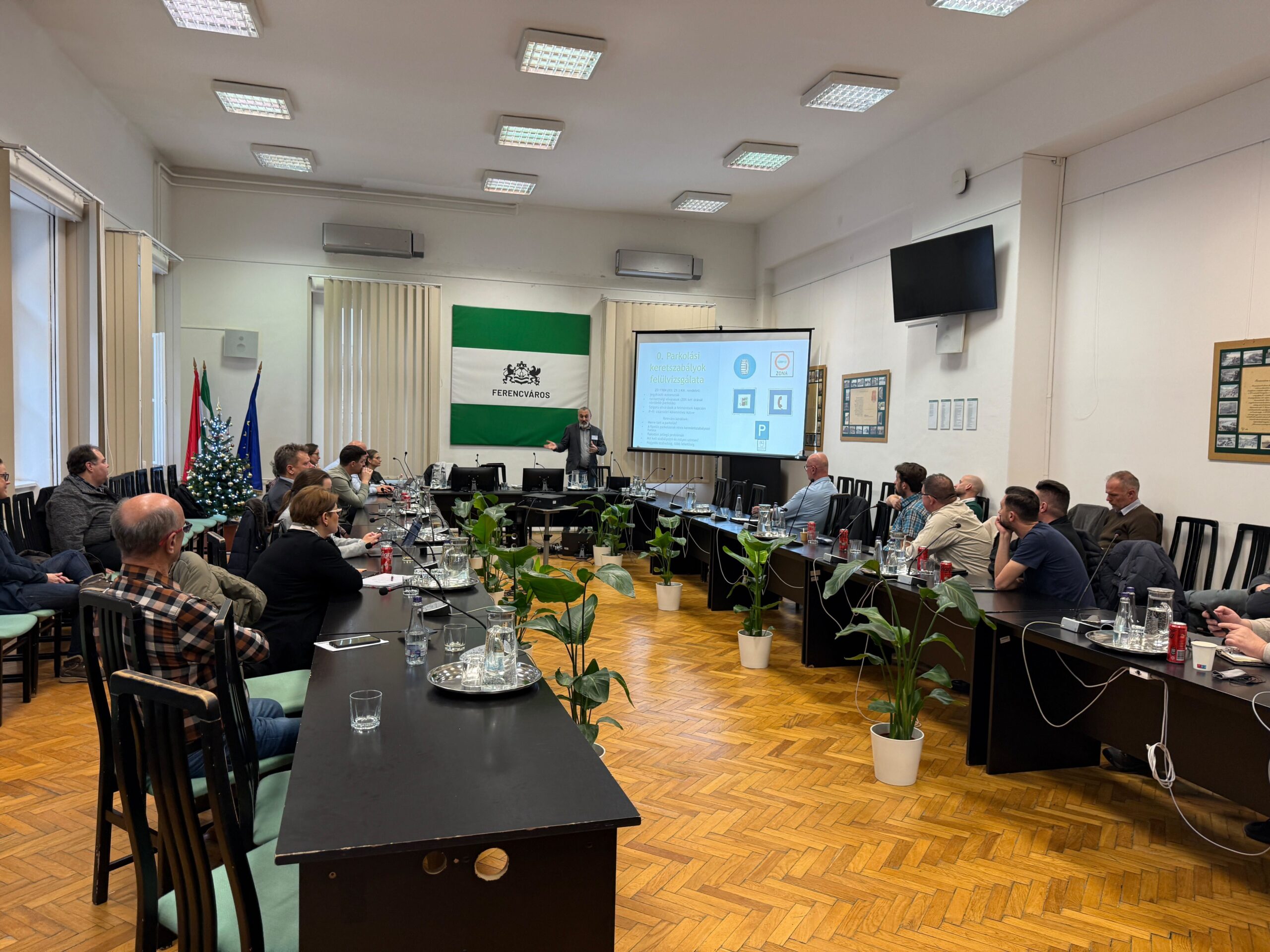
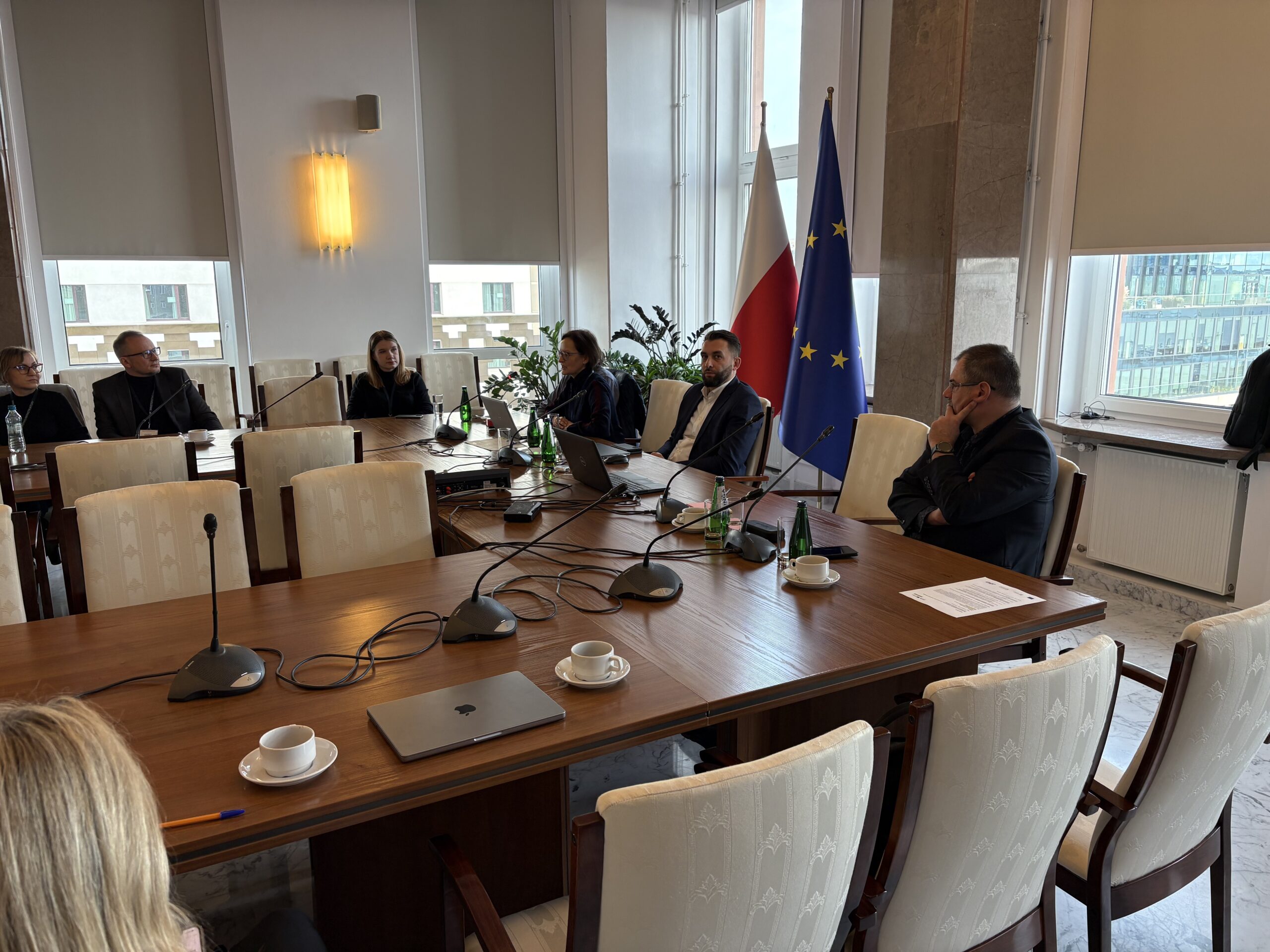
Partners held regular peer-to-peer review sessions, joint capacity-building workshops, and public webinars. A highlight of this exchange was two major Central European-level webinars organized specifically for decision-makers and legislators.
5
Final outputs & implementation-ready action plans
The project delivered implementation-ready Parking and Mobility Action Plans for all participating urban areas, developed through joint capacity building and ParkPAD audits. It established a series of validated solutions based on the evaluation of 14 transnational pilot demonstrations across partner cities. Finally, partners delivered a transnational legislative advice package to regional and national decision-makers to harmonize parking regulations and support sustainable urban space reallocation across Central Europe.
News
Events
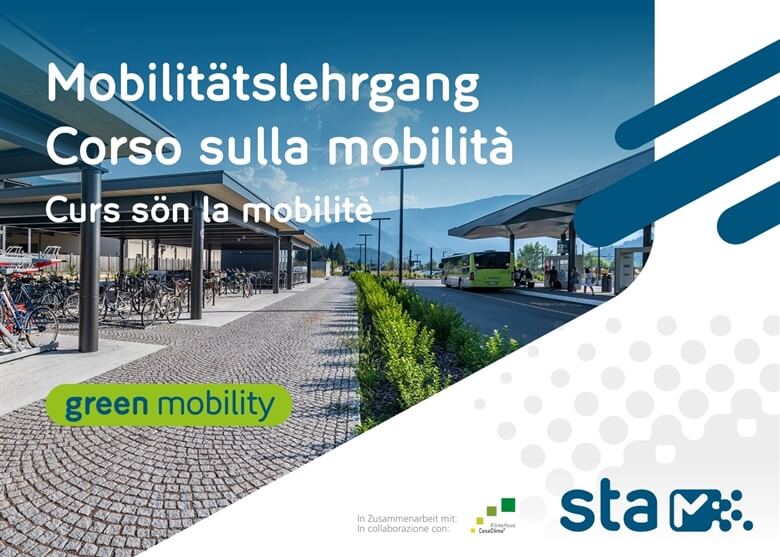
Pilot actions
Outputs
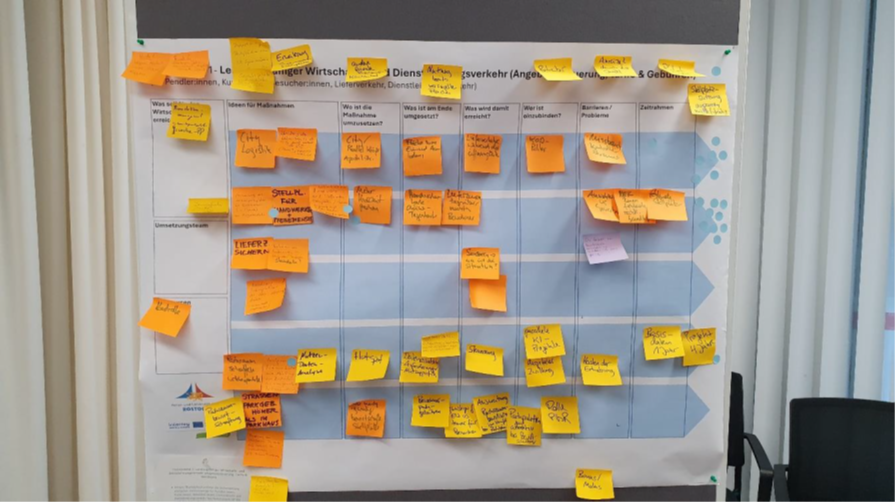
Parking and Mobility Action Plans in Functional Urban Areas Following a Hierarchy of Implementation Readiness
The plans were jointly developed by all project partners through continuous exchange and cooperation by basing the plans on the strategy of the ParkPAD methodology and general functional urban areas strategies in a specific chapter of each Action Plan, conducting joint capacity building to define the structure and process for the plans, jointly applying formats to establish working groups to produce the plan, and carrying out peer-reviews of results at 2 stages of the ParkPAD process.
Type of output: Strategies and action plans
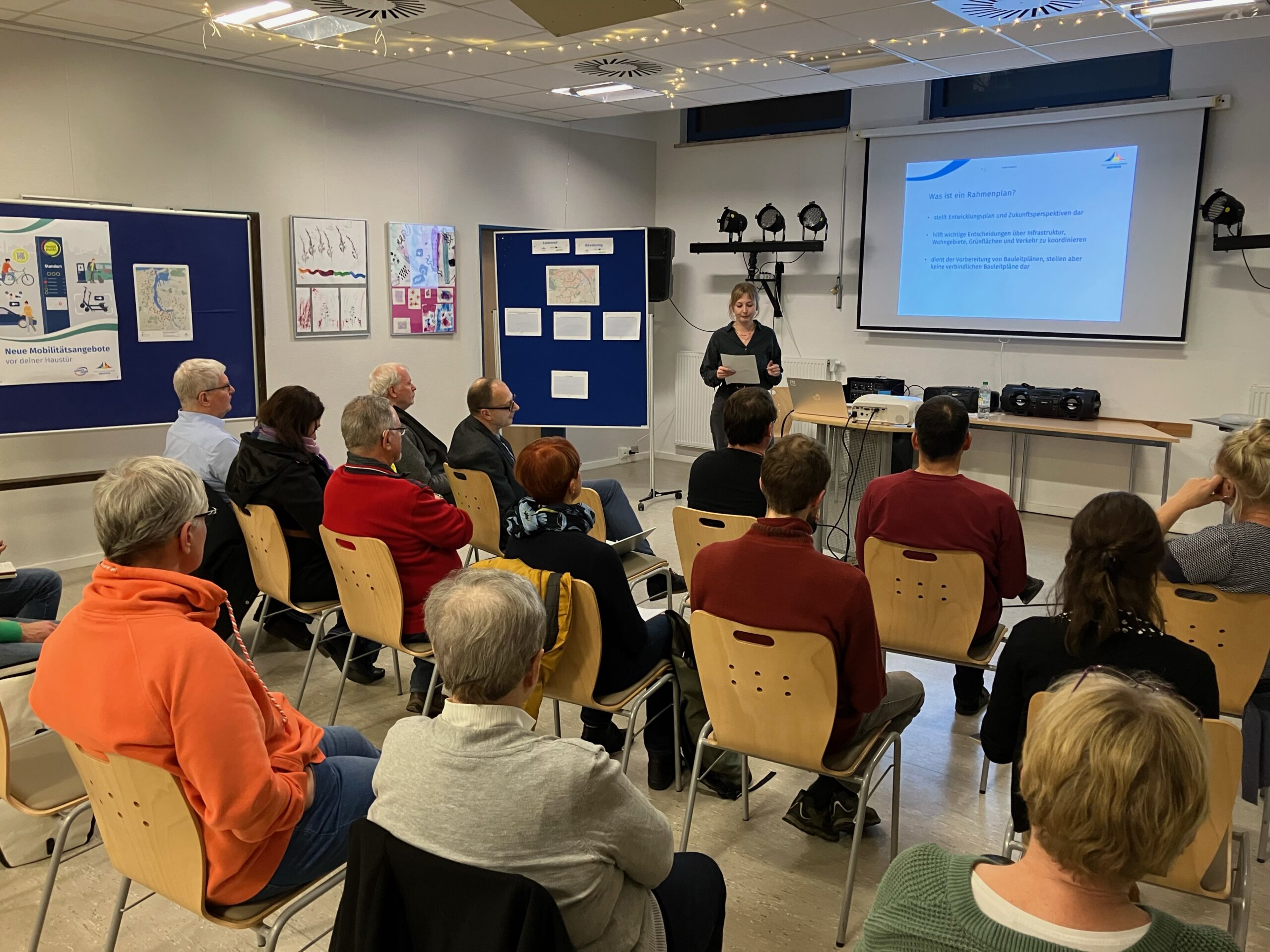
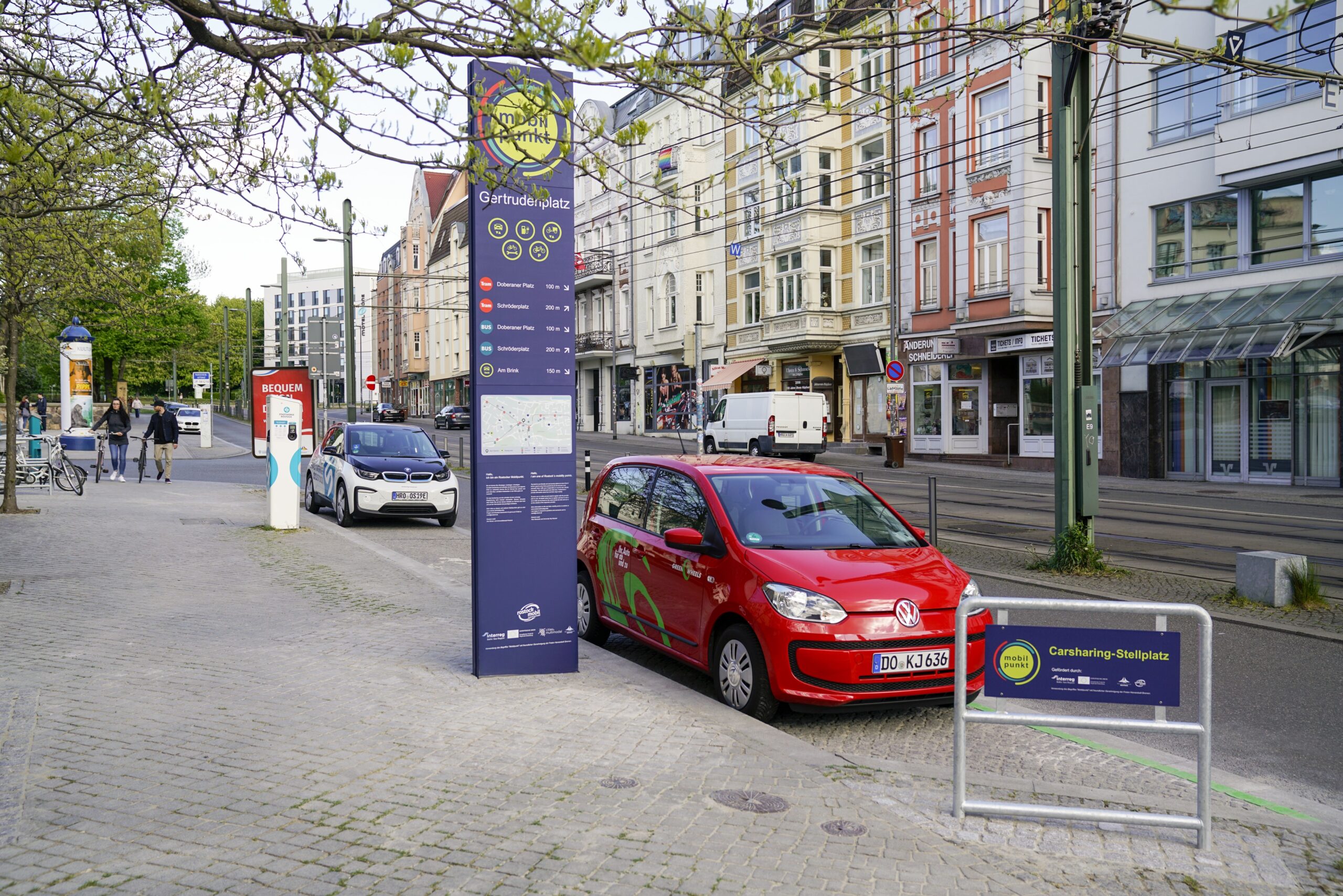
Sharing-instead-of-owning_002_Photo_by_CityOfRostock
Parking and Mobility Implementation Plans in Functional Urban Areas
The Parking and Mobility Action plans were jointly elaborated into solutions as implementation-ready plans by all project partners through continuous exchange and cooperation by jointly setting up pilot demonstrations, jointly applying work team formation formats to establish a co-creation process, jointly assessing risks and developing joint responses to them, jointly evaluating all work steps, and conducting peer-reviews of solutions amongst partner cities.
Type of output: Solutions
NXTLVLParkingProject_LegislationWebinar_scrnsht
Joint Strategy on Advice to Regional and National Entities Responsible for Parking Regulations and Legislation
Project partners jointly drafted a strategy for legislators and regulating entities at regional and national levels in the partner cities’ respective areas. The strategy took a transnational view and included national and regional specific aspects. The subject of the strategy was an advice package on optimising and harmonising legislation and regulations on parking and sustainable mobility.
Type of output: Strategies and action plans
Project videos
Project documents
Guideline “Implementation Planning for a ParkPAD driven Parking and Mobility Action Plan”
Brochures from the Park4SUMP project
Good reasons and principles for parking management_EN
This brochure provides the knowledge required to build sound political arguments for using parking management to alleviate parking-related problems and in so doing to support sustainable transport. It should strengthen the position of politicians, decision makers and multipliers such as journalists in the process of taking what may be, at first glance, unpopular, but which are in fact rational and sustainable decisions to manage on- and off-street parking.
Parking standards as a steering instrument in urban mobility planning_EN
There are a number of good reasons to consider parking standards. In this brochure, the basics of these standards are shown and good practice examples are presented. Parking standards are an extremely importing steering instrument within urban and transportation planning.
Enforcement – Key to a successful parking strategy_EN
This brochure shares insights on parking enforcement for three parking enforcement objectives (street regulation, service provision and revenue raising). It sets out 7 principles to which a sound parking enforcement policy should adhere and highlights key enforcement tools.
Project images
NXTLVL Parking
The project lead partner is responsible for the content of this project website.