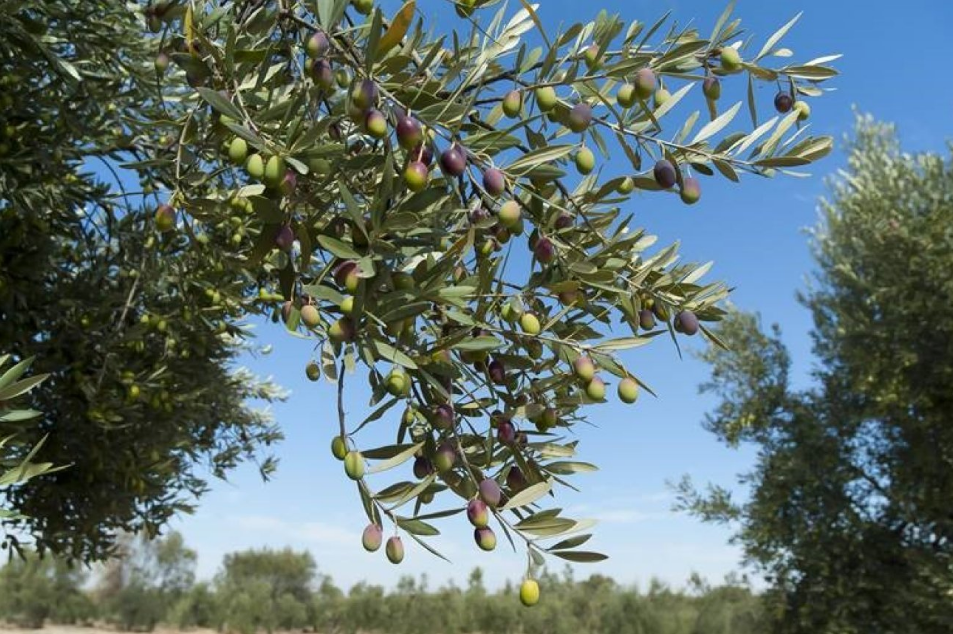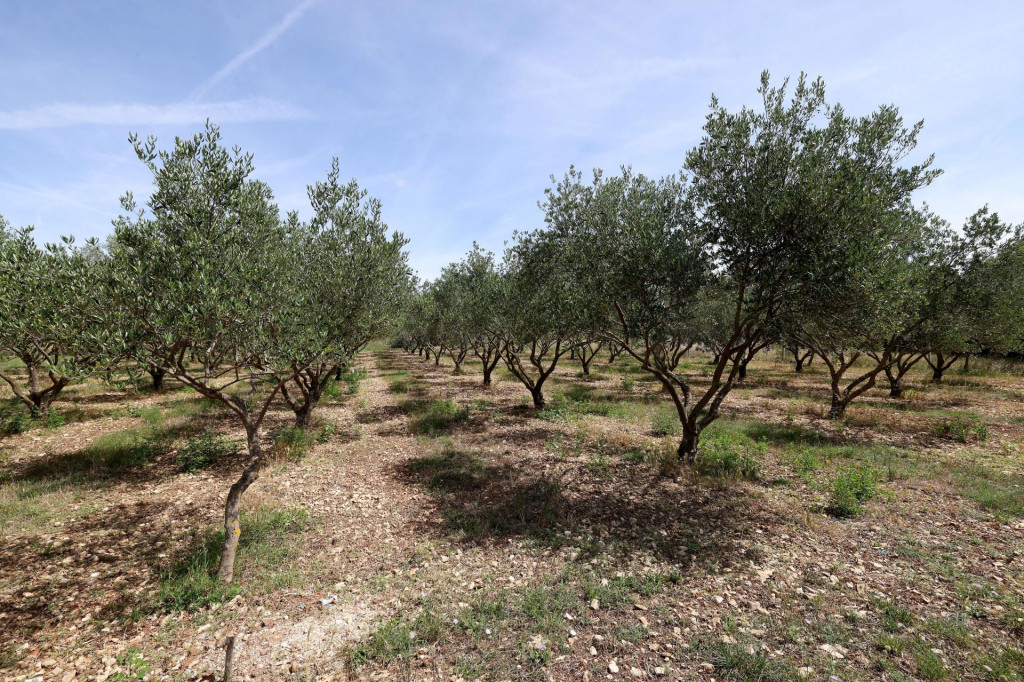
Olive trees
Michal Kostrzynski Unsplash

Central - BIC

Project overview

Central Europe Biodiversity Innovative Communities

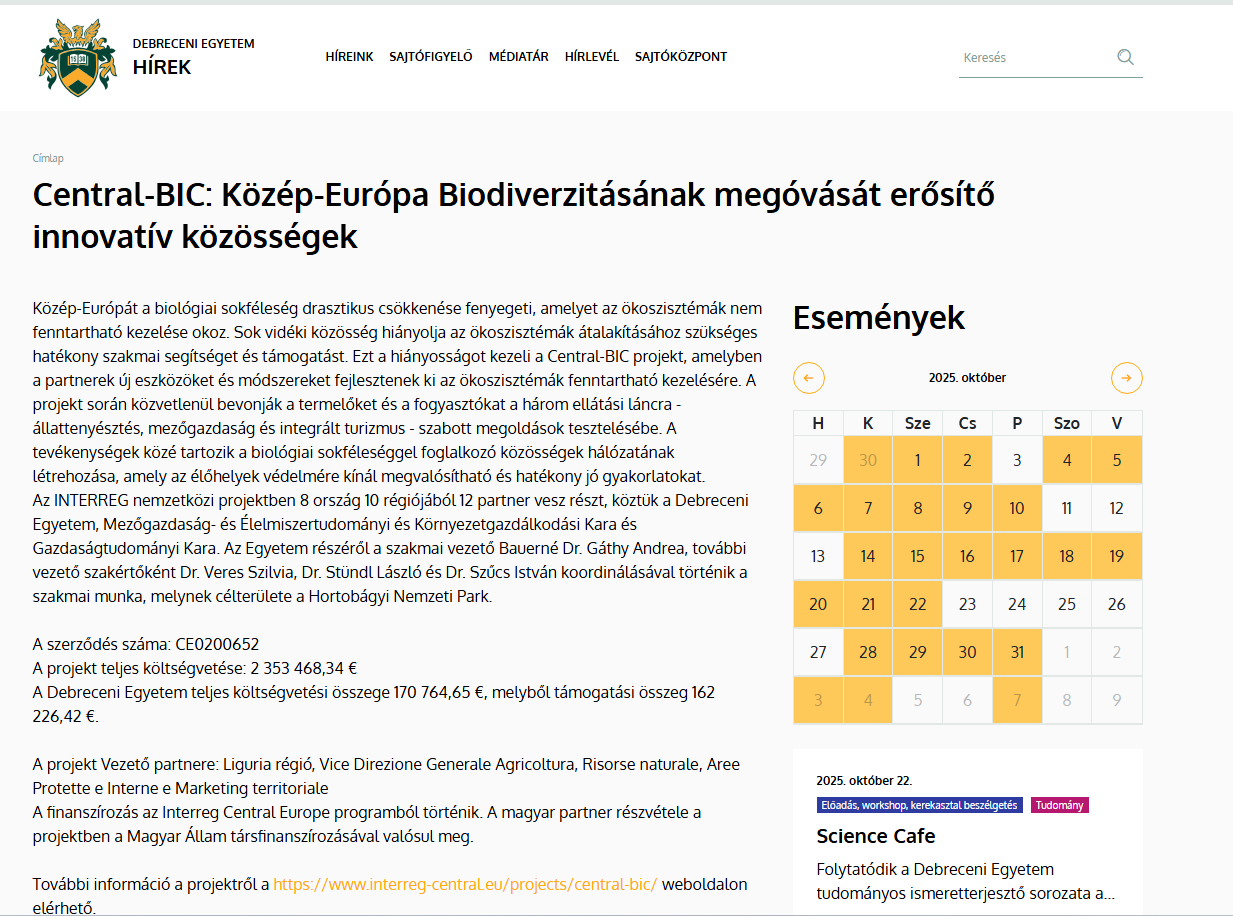
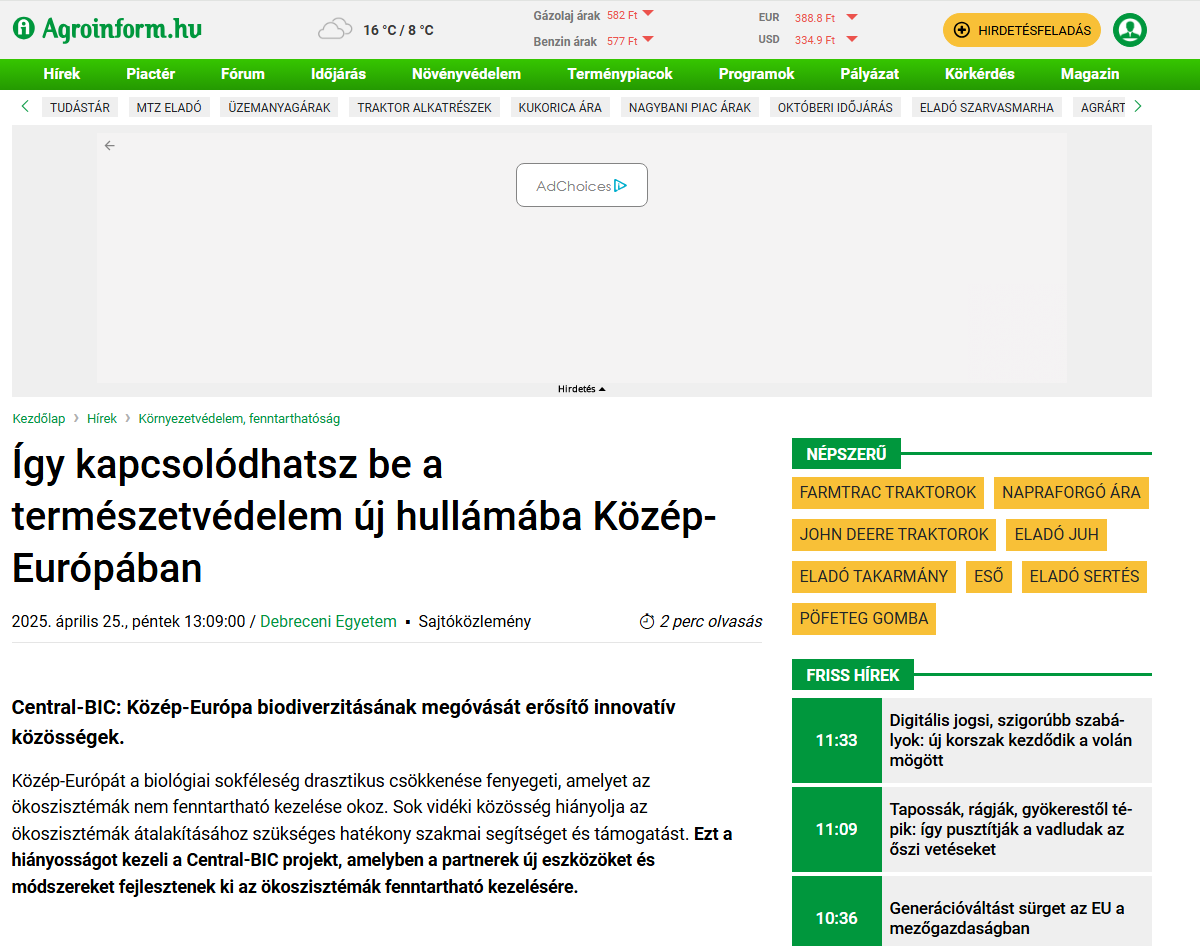
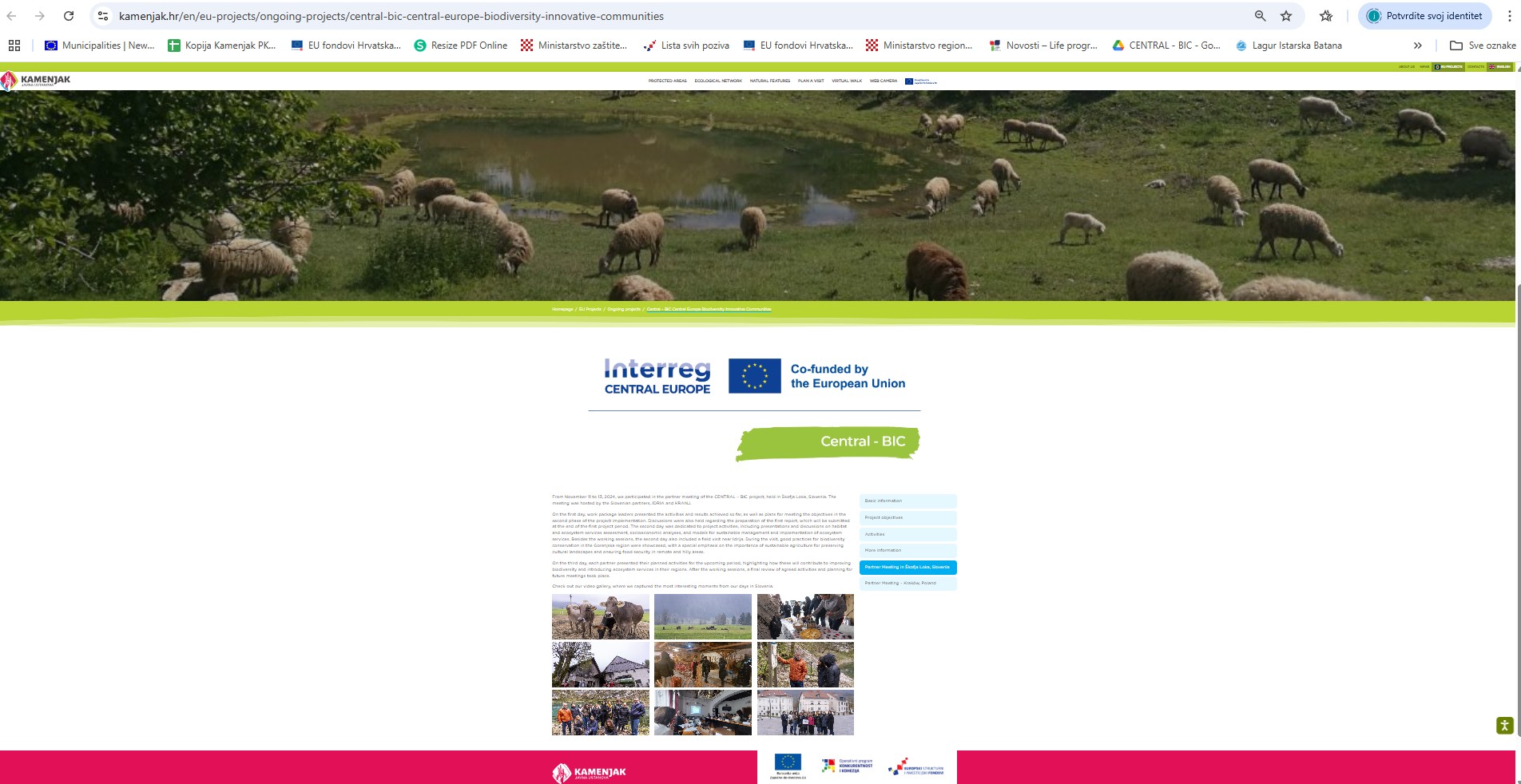
Central Europe is challenged by a loss of biodiversity caused by an unsustainable management of ecosystems. Many rural communities miss support for a transition of their ecosystems. This shortcoming is tackled by the Central-BIC project, in which the partners develop new tools and methodologies for managing ecosystems sustainably. They involve producers and consumers directly in testing tailored solutions for three supply chains: livestock, agriculture, and integrated tourism. Activities include the set-up of a network of Biodiversity Stewardship Communities that offers replicable good practices for habitat protection.

2,35m €

Project Budget

80%

of the Budget is funded by ERDF

Layer 1

8

Countries

10

Regions

12

Partners

1

Pilots

Duration

Start date

End date

Project progress

62%

About the project

Central-BIC – Working Together for Biodiversity and a Sustainable Rural Future The Central-BIC project aims to address one of the European Union’s most pressing challenges: the loss of biodiversity and the degradation of ecosystem services (ES). It also seeks to raise awareness among rural communities and consumers about the importance of nature's value, while reducing conflicts between local populations and conservation efforts. Main Objectives: - Raise awareness about the environmental, social, and economic value of biodiversity and ecosystem services. - Develop new practical tools for the sustainable management of ES, moving beyond traditional bans and subsidies. -Support the ecological transition of rural economies. -Build strong, collaborative networks between nature conservation actors and local communities. Key Activities: -Conduct biodiversity assessments and monitoring in selected pilot areas, involving both producers and consumers. -Design and implement practical actions tailored to three key sectors: livestock farming, agriculture, and integrated tourism. -Facilitate international exchange through three thematic Open Groups, connecting experts, local actors, and stakeholders. - Further develop and apply PES (Payment for Ecosystem Services) mechanisms – systems that offer financial rewards for conservation services. -Create new tools and communication strategies to reach farmers, consumers, and markets. - Deliver coaching, community involvement, and on-the-ground testing to support the adoption of innovative approaches. Expected Results (over 30 months): - Development and testing of two tailored solutions (PES and BSC models) through community-based actions and stewardship for habitat restoration. - Active protection of natural habitats and increased awareness and participation of local communities and stakeholders. - Establishment of a sustainable network of Biodiversity Stewardship Communities (BSCs) and C-BIC4BICs, designed to continue beyond the project's end. - Creation of a shared, inclusive collection of best practices, offering replicable solutions for other parks, regions, and rural areas across Europe.

Project partnership

Project partners

Italia (IT)

Lead partner

Liguria Region

Vice Direzione Generale Agricoltura, Risorse naturale, Aree Protette e Interne e Marketing territoriale
Address
Via D'Annunzio 111
16121 Genova
Country
Italy (IT)
Web
www.regione.liguria.it

Project partner

Address
Via Leopardi 4
14100 Asti
Country
Italy (IT)
Web
https://lamoro.it/
Total partner budget
187,760 €
Ufficio Progetti
Address
Via Vittorio Cimetta 1
30026 Portogruaro
Country
Italy (IT)
Web
https://www.vegal.net/
Total partner budget
197,800 €
Address
Selo 120
52100 Pula
Country
Croatia (HR)
Web
www.kamenjak.hr
Total partner budget
186,531 €
Department for Agriculture, Fisheries and EU Funds
Address
Božidara Petranovića 8
23000 Zadar
Country
Croatia (HR)
Web
www.zadarska-zupanija.hr
Total partner budget
179,890 €
Address
Amalienstr 79
80799 München
Country
Germany (DE)
Web
www.ifuplan.de
Total partner budget
218,139 €
Address
Pl. Wszystkich Świętych 3-4
31004 Kraków
Country
Poland (PL)
Web
http://www.sgpm.krakow.pl/
Total partner budget
172,414 €
Address
Letna 9
04200 Kosice
Country
Slovakia (SK)
Web
www.tuke.sk
Total partner budget
183,105 €
Address
Cesta Staneta Žagarja 37
4000 Kranj
Country
Slovenia (SI)
Web
https://www.bsc-kranj.si/
Total partner budget
192,899 €
Address
Mestni trg 1
5280 Idrija
Country
Slovenia (SI)
Web
www.icra.si
Total partner budget
179,720 €
European Projects
Address
Pischeldorferstrasse 7-44
9020 Klagenfurt am Wörthersee
Country
Austria (AT)
Web
http://www.ecece.org
Total partner budget
175,156 €
Faculty of Agricultural and Food Sciences and Environmental Management
Address
Böszörményi 138
4032 Debrecen
Country
Hungary (HU)
Web
https://mek.unideb.hu/en
Total partner budget
169,265 €

Roadmap

1

OUR CHALLENGE

The aim of Central-BIC is to support joint action by the European Union in addressing the following important issues: - the decline in biological diversity (biodiversity) and the deterioration of natural services, - the lack of knowledge among people, especially rural communities and consumers, and the possibilities for preventing conflicts arising from this in relation to nature conservation. This problem affects a wide range of actors: local, regional and national authorities, nature conservation areas (e.g. national parks), civil society organizations, universities, small and medium-sized enterprises, business support organizations, and the general public.

2

OUR PURPOSE

New approaches are needed to make rural economies more sustainable and preserve nature's valuable services (such as clean water, fertile soil, and biodiversity). We need tools that look beyond economic benefits and take into account the long-term interests of communities and nature. Several EU strategies have already recognized this challenge, but solutions are still pending. Central-BIC aims to provide practical, innovative tools and solutions that can truly help in this transition—for the benefit of nature and local communities.

3

ESTABLISHING COOPERATION WITH STAKEHOLDERS AND LOCAL ACTORS
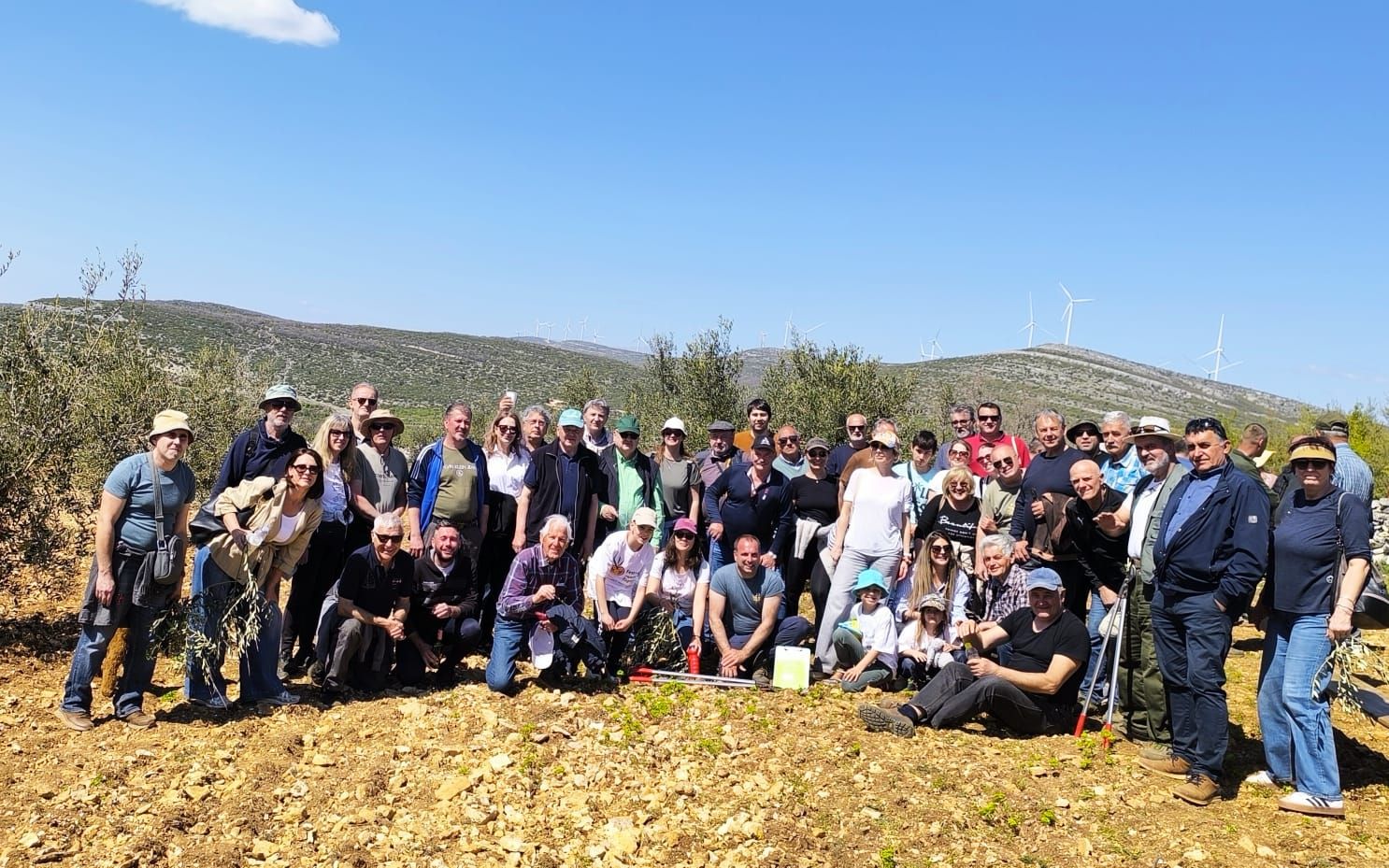
The aim of Central-BIC is to bring together local actors, scientists, social and economic experts and other partners to implement new, effective solutions. The emphasis is on close cooperation – both locally and within the entire partnership – to jointly test innovative methods and support their practical application. We continue to work on PES (payment for ecosystem services) schemes, involving local communities as widely as possible. We also support the process with tailored support, testing opportunities and the active involvement of consumers.

4

CREATE TRANSNATIONAL SOLUTION

Preserving biodiversity or changing consumption habits cannot be achieved alone – it requires broader cooperation. We can only succeed if we share and compare experiences gained in different areas and try out proven methods in other places. This requires flexible, adaptable and reusable solutions – ones that work in practice.

5

LOCAL COMMUNITY INVOLVEMENT

Local solutions, international knowledge. In designated pilot areas, we involve producers and consumers in assessing and monitoring biodiversity. We share our experiences with scientists, experts, and local communities in three international, open professional groups. We implement practical measures tailored to three main sectors: livestock farming, agriculture, and integrated tourism. In addition, we are developing new tools for the sustainable management of ecosystem services and for informing markets, consumers, and communities, including PES (payment for ecosystem services) models.

News
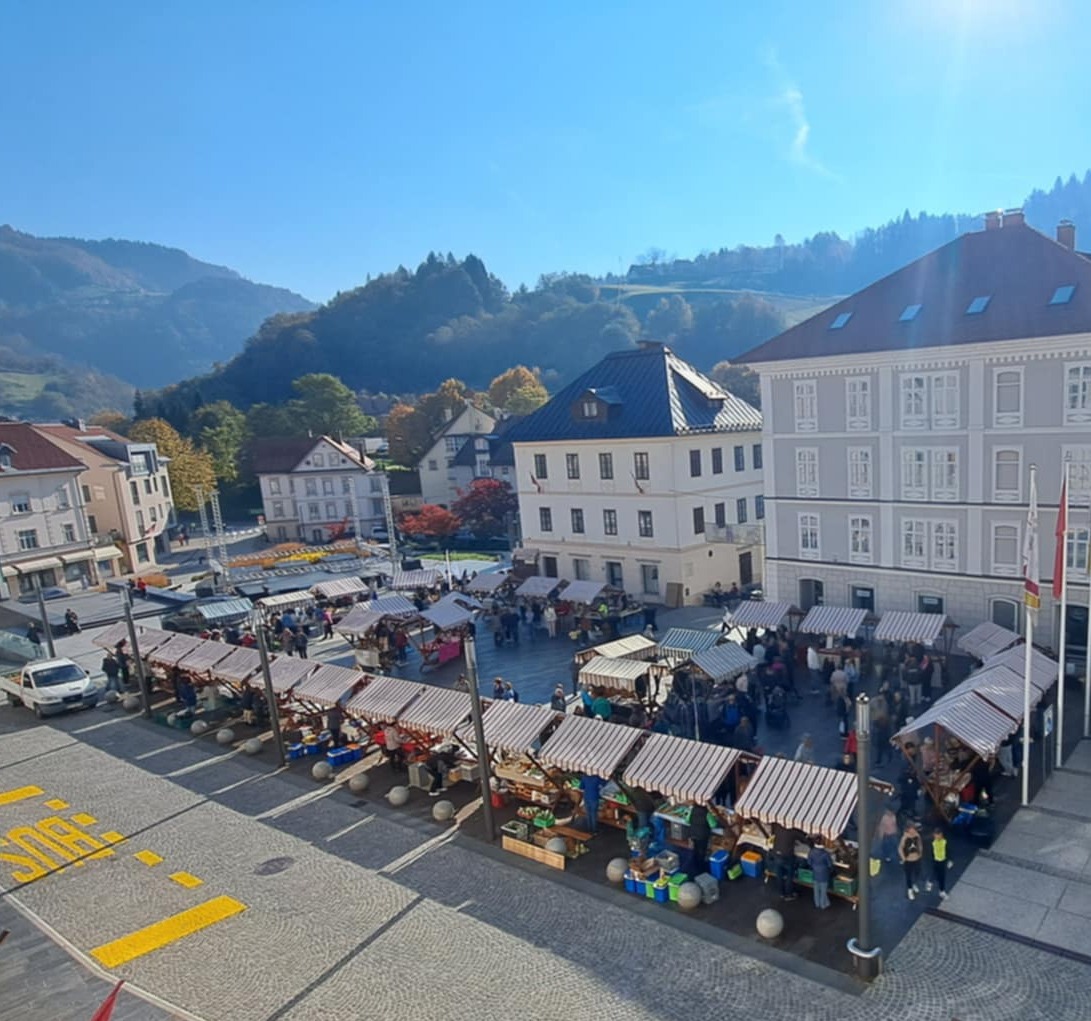
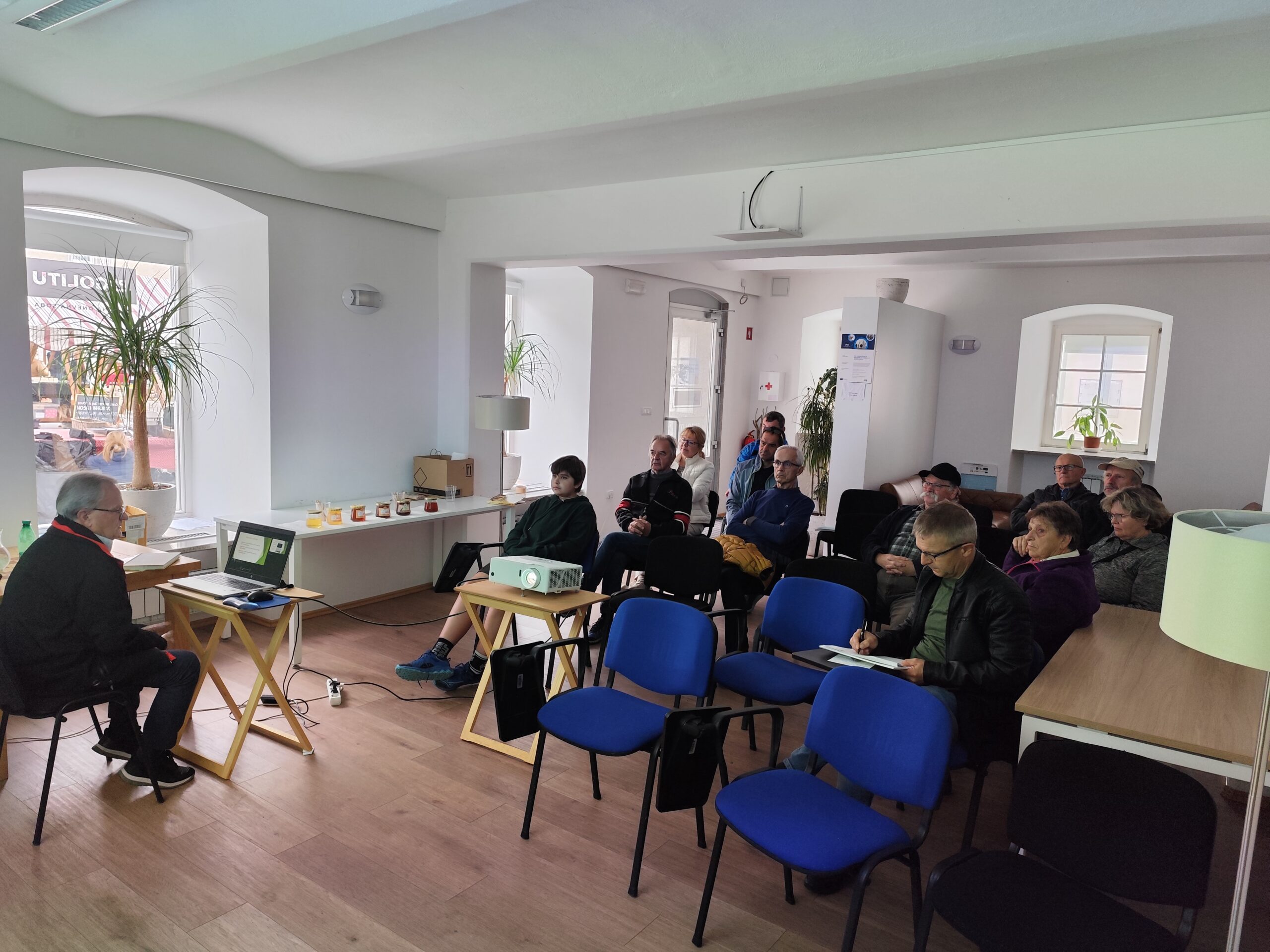
Events
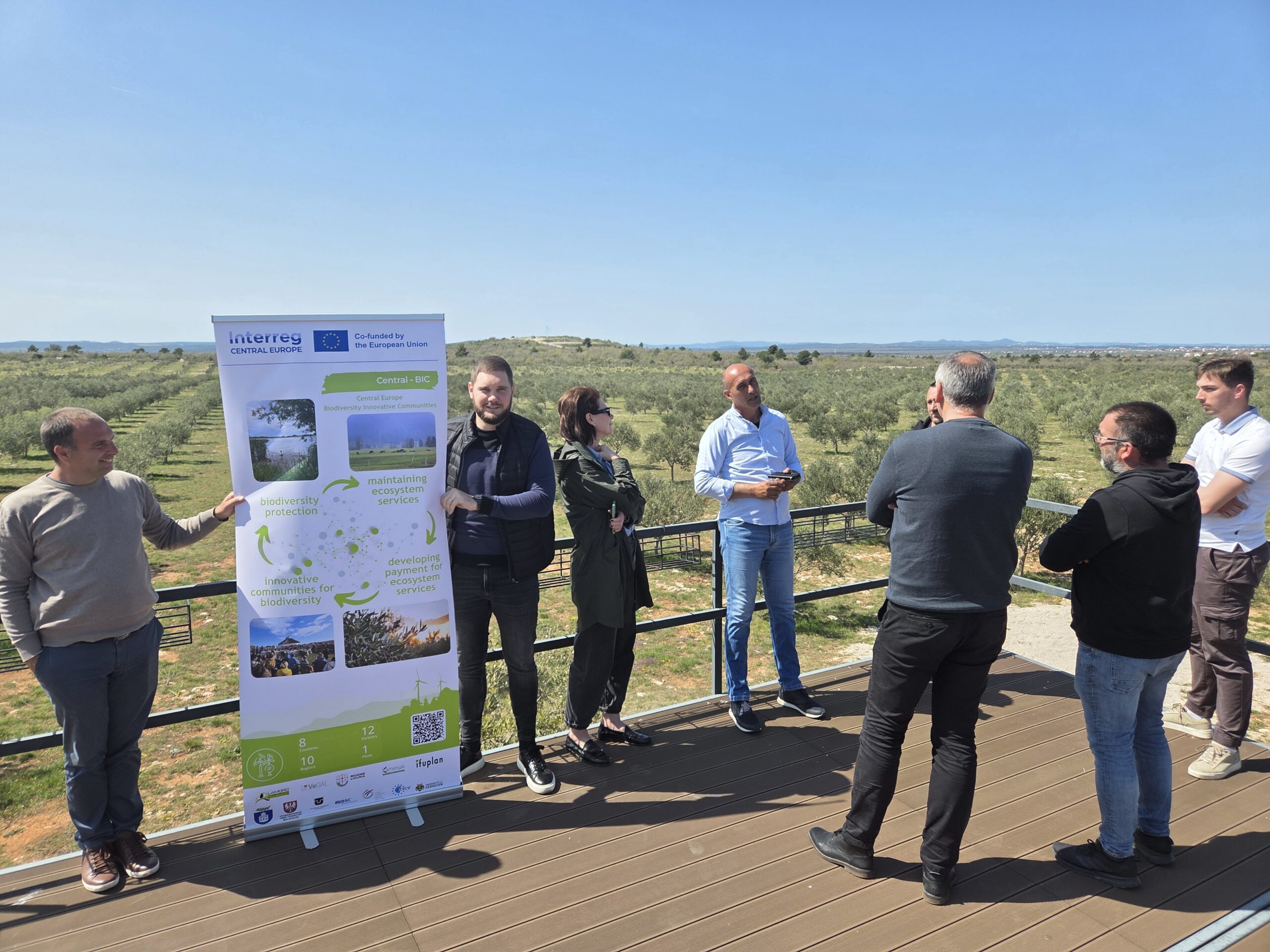
Pilot actions

Outputs
Biodiversity Action Plan (B-AP)
The Biodiversity Action Plan (B-AP) was established in Central Europe to protect and strengthen the region's natural habitats—such as forests, wetlands, and grasslands—and the associated ecosystem services, i.e., the benefits provided by nature, such as clean water, fertile soil, and pollination. The program aims to get local communities, farmers, and businesses actively involved in nature conservation and to engage in economic activities that are compatible with environmental protection.
Type of output: Strategies and action plans
In development

Payment for Ecosystem Services (PESs) Strategy
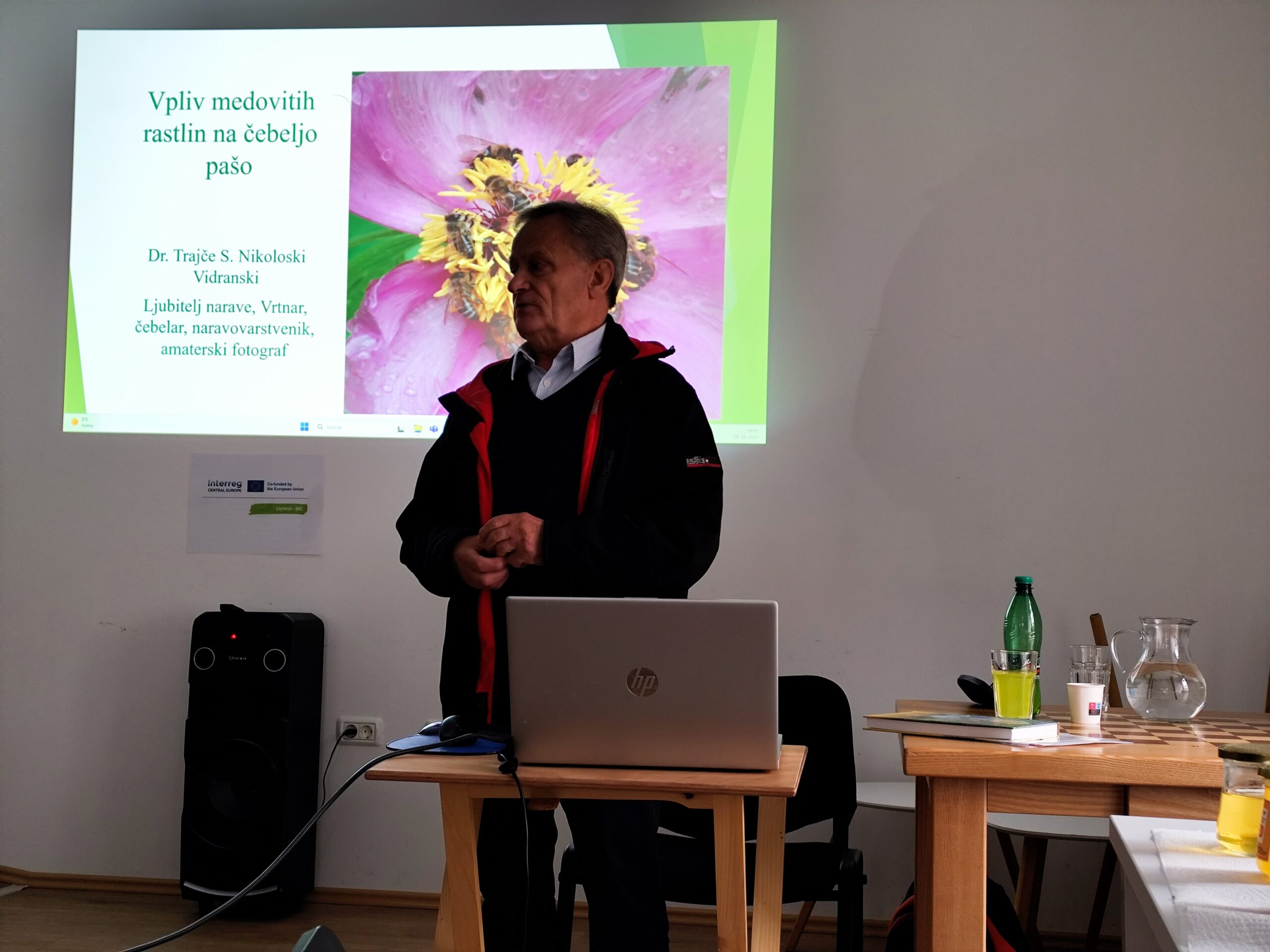
The Transnational PES Strategy is an international cooperation approach that supports the protection of biodiversity and ecosystem services such as clean water, soil conservation, pollination, and the maintenance of natural landscapes. The strategy aims to use market-based instruments to incentivize businesses and farmers who contribute to nature conservation. This could be, for example, a business receiving compensation for practicing nature-friendly farming, planting forests, or restoring wetlands. This system makes businesses more sustainable while giving them access to new opportunities in high-value, environmentally conscious markets.
Type of output: Strategies and action plans
In development

Payment for Ecosystem Services (PESs) Action Plan
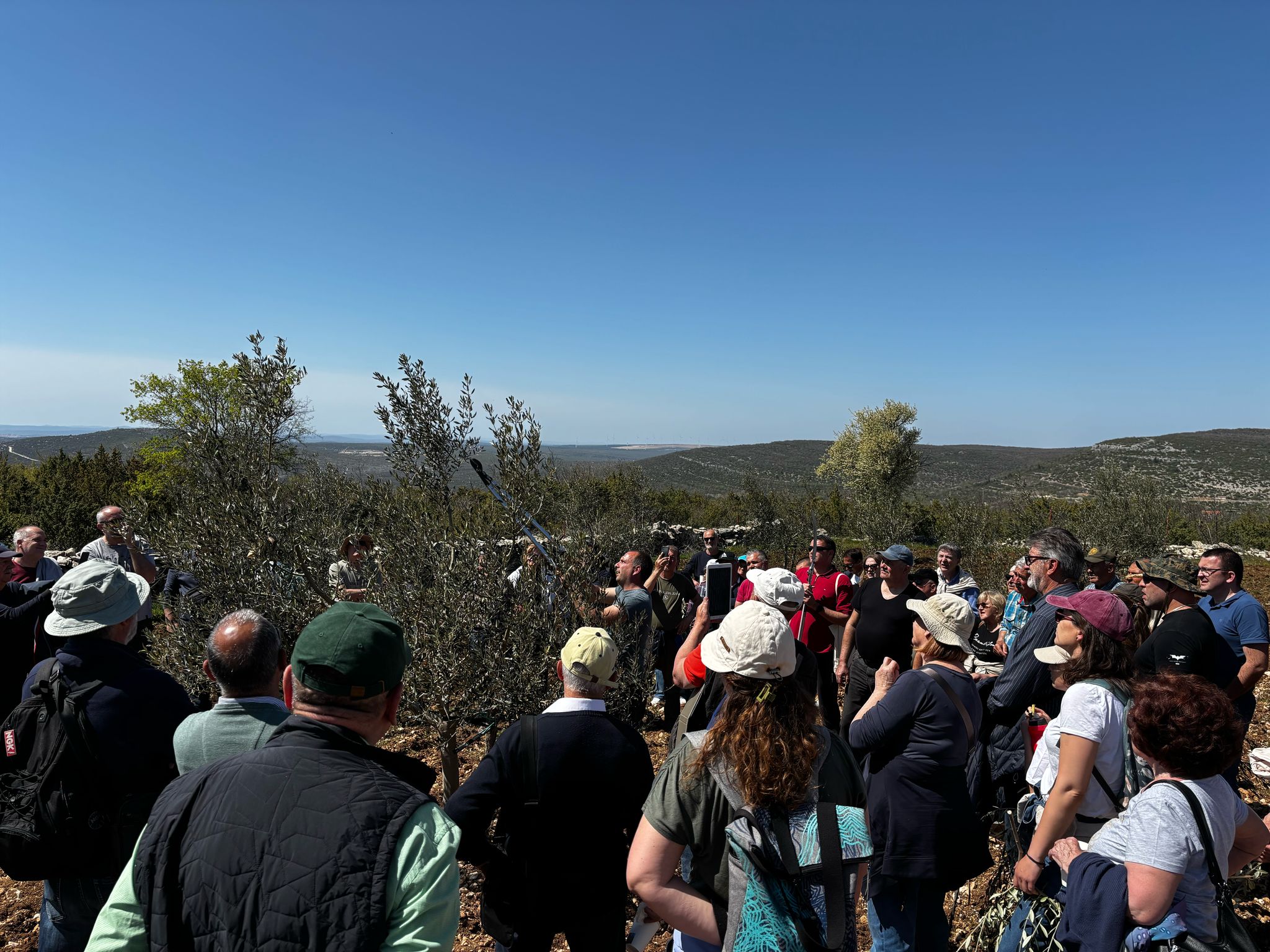
The Action Plan contains practical steps and development proposals based on the results of the PES strategy. The plan specifies what specific measures—such as nature conservation programs, sustainable management practices, or local community projects—can be implemented in designated target areas to promote the conservation of ecosystems and biodiversity.
Type of output: Strategies and action plans
In development

PESs, ESs management and socio economical sustainable development model
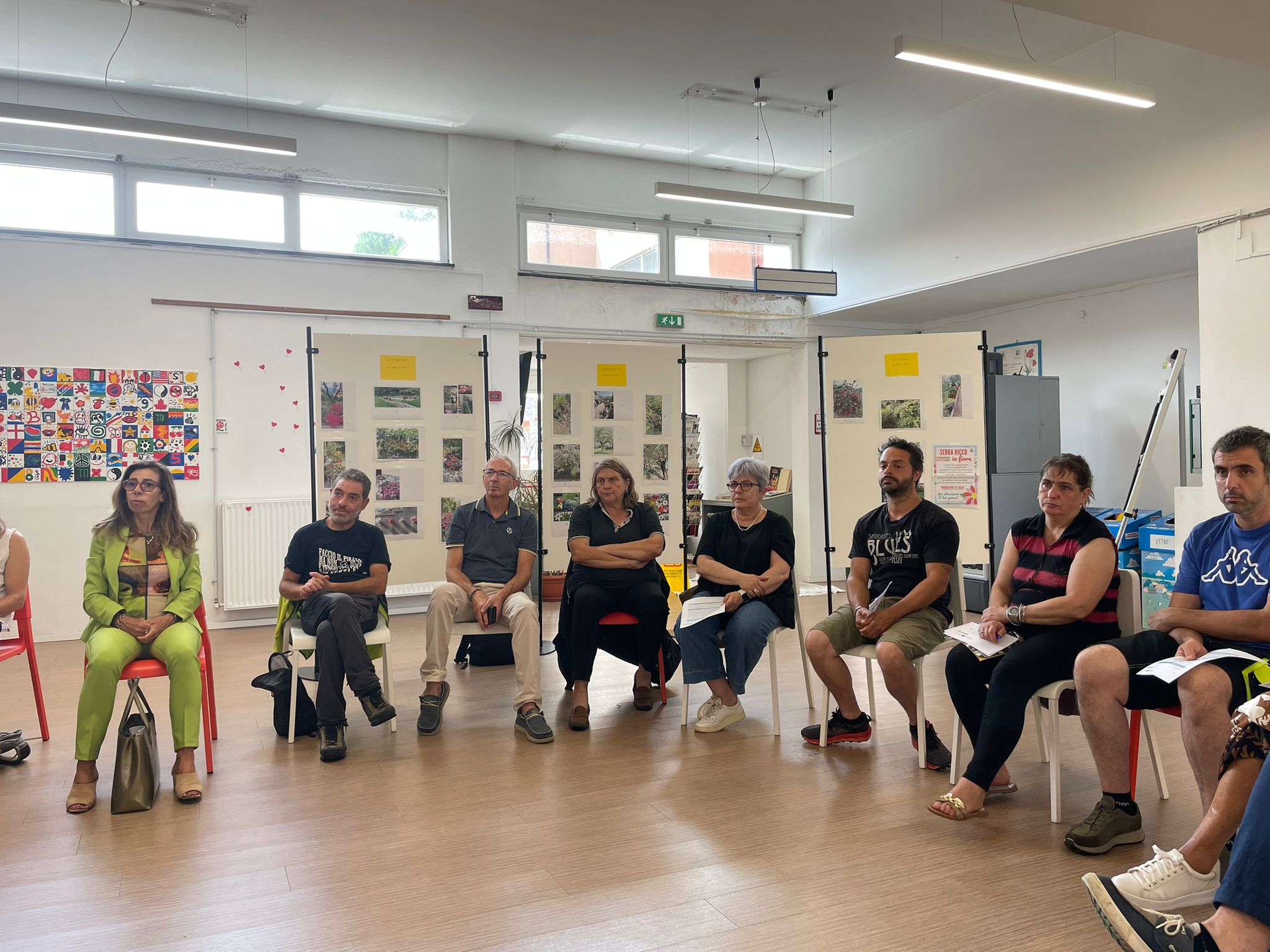
The new model aims to change rural communities' attitudes towards biodiversity, as preserving biological diversity not only creates environmental value, but also economic value – in terms of raw materials, production, and markets. The higher the quality of the environment, the greater the income and benefits available through the PES (Payments for Ecosystem Services) system, which in turn increases the interest of local communities in protecting biodiversity, strengthening ecosystem services (ES), and establishing and operating Biodiversity Service Centers (BSCs).
Type of output: Solutions
In development

Biodiversity Stewardships Communities (EU-Central BSCs) model

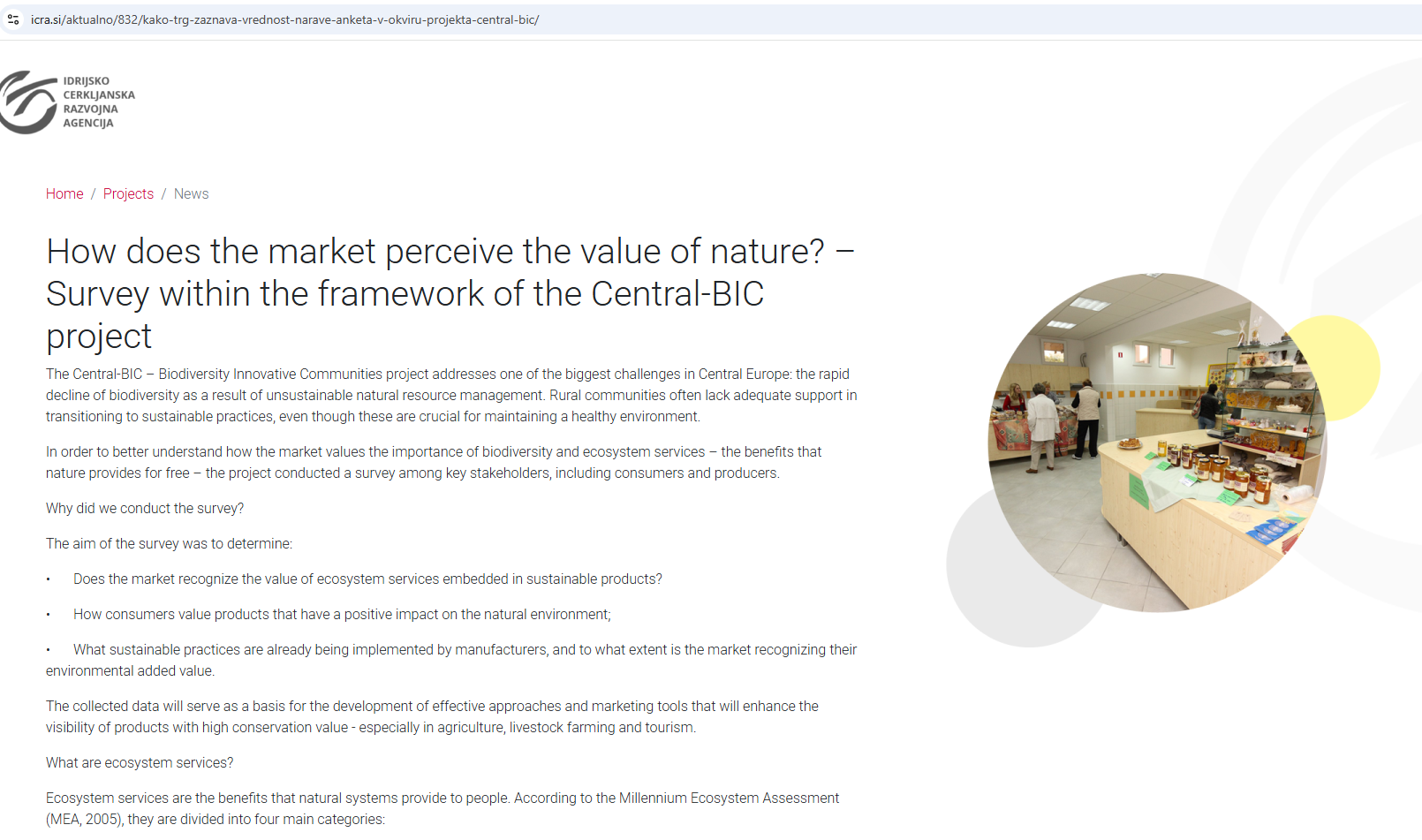
The project aims to strengthen community cooperation by recognizing the economic and social value of biodiversity, thereby mitigating local conflicts of interest. Through PES models (i.e., financial incentives for nature conservation services), communities receive financial and social recognition for their work in preserving nature. The project also supports the creation of Biodiversity Service Centers (BSCs), which will function as a kind of local cooperation center. In the pilot areas, the parties are testing the model on the basis of a Local Pact to see how BSCs can help preserve biodiversity and strengthen community cooperation in practice.
Type of output: Solutions
In development

Project documents

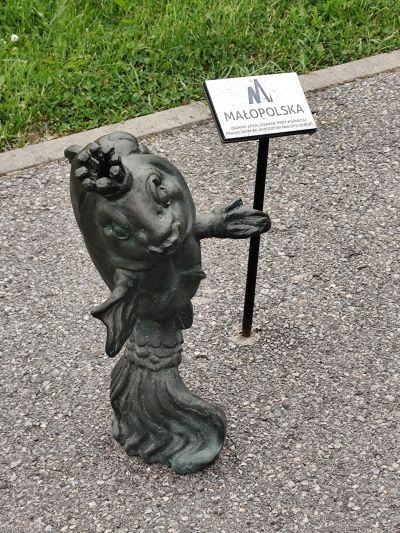
PP8 Association of Municipalities and Counties of Małopolska is Poland'

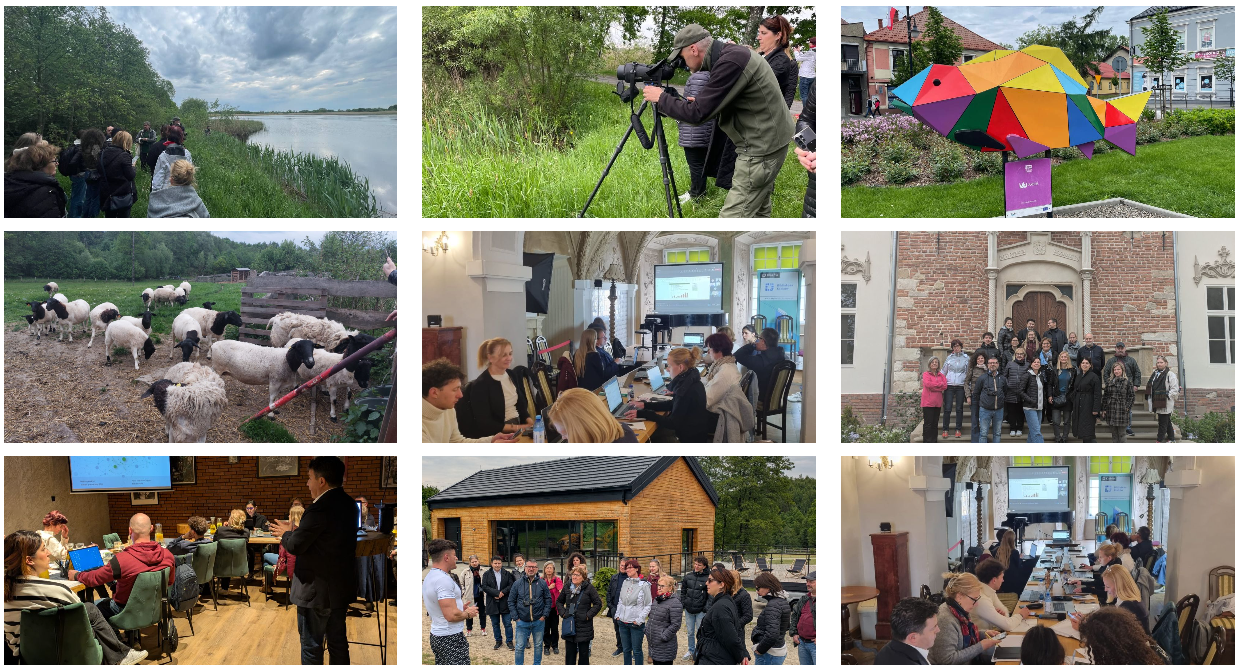
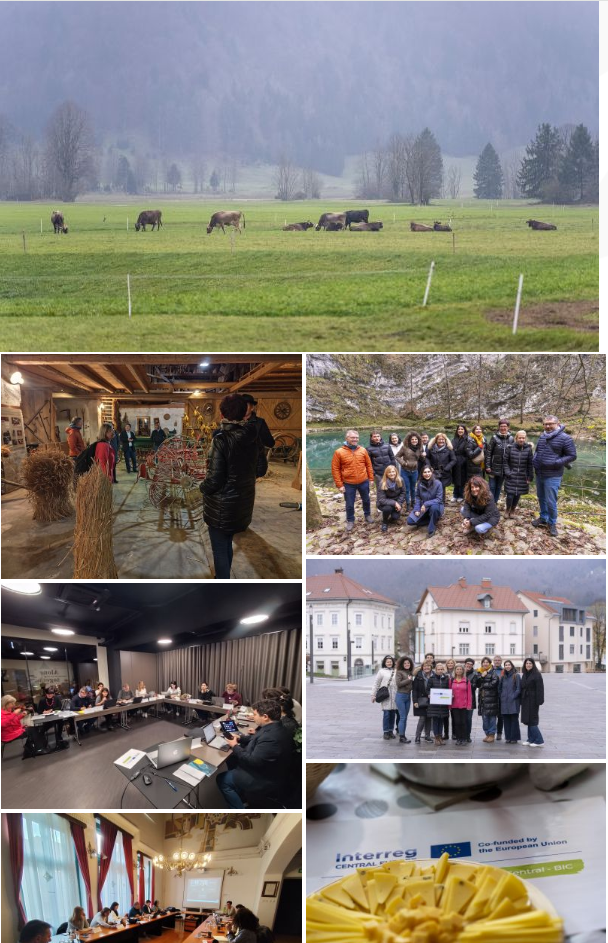
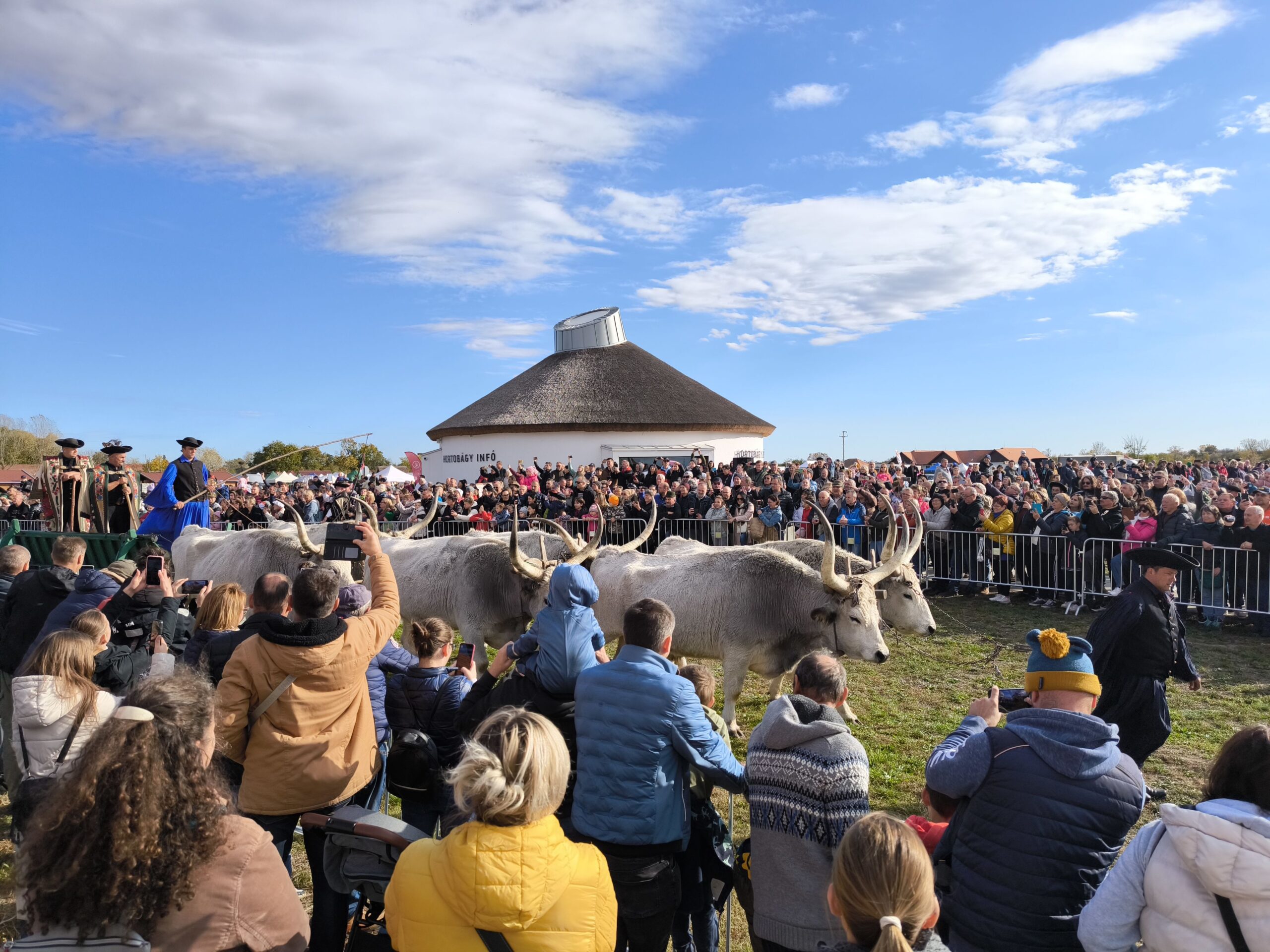
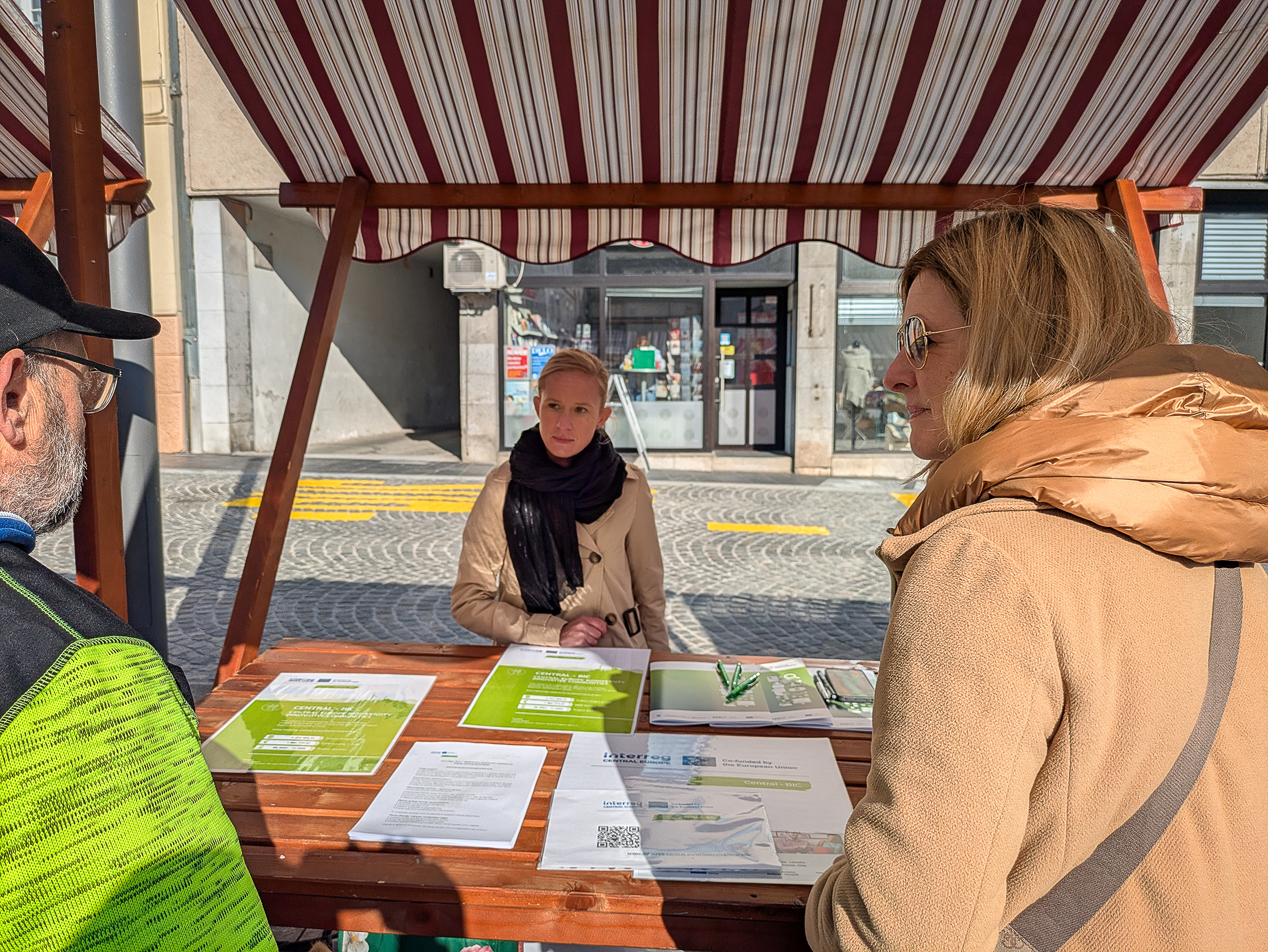
Dolina Karpia Local Brand Gala - a celebration of local products information about the Local Brand Gala of the Carp Valley that took place on 27.10.2025. This event is an example of an initiative supported by the Association of Municipalities of Małopolska Region (SGPM) as part of the Central-BIC project.

PP3: LAG EASTERN VENICE

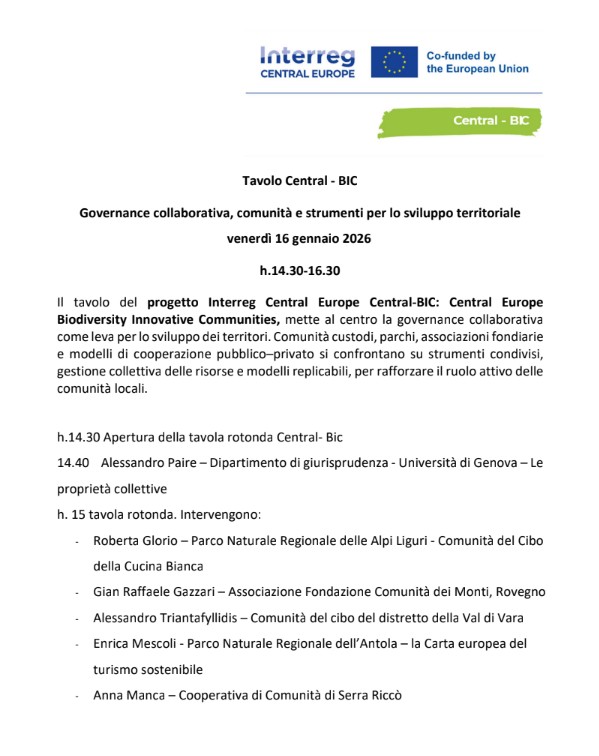
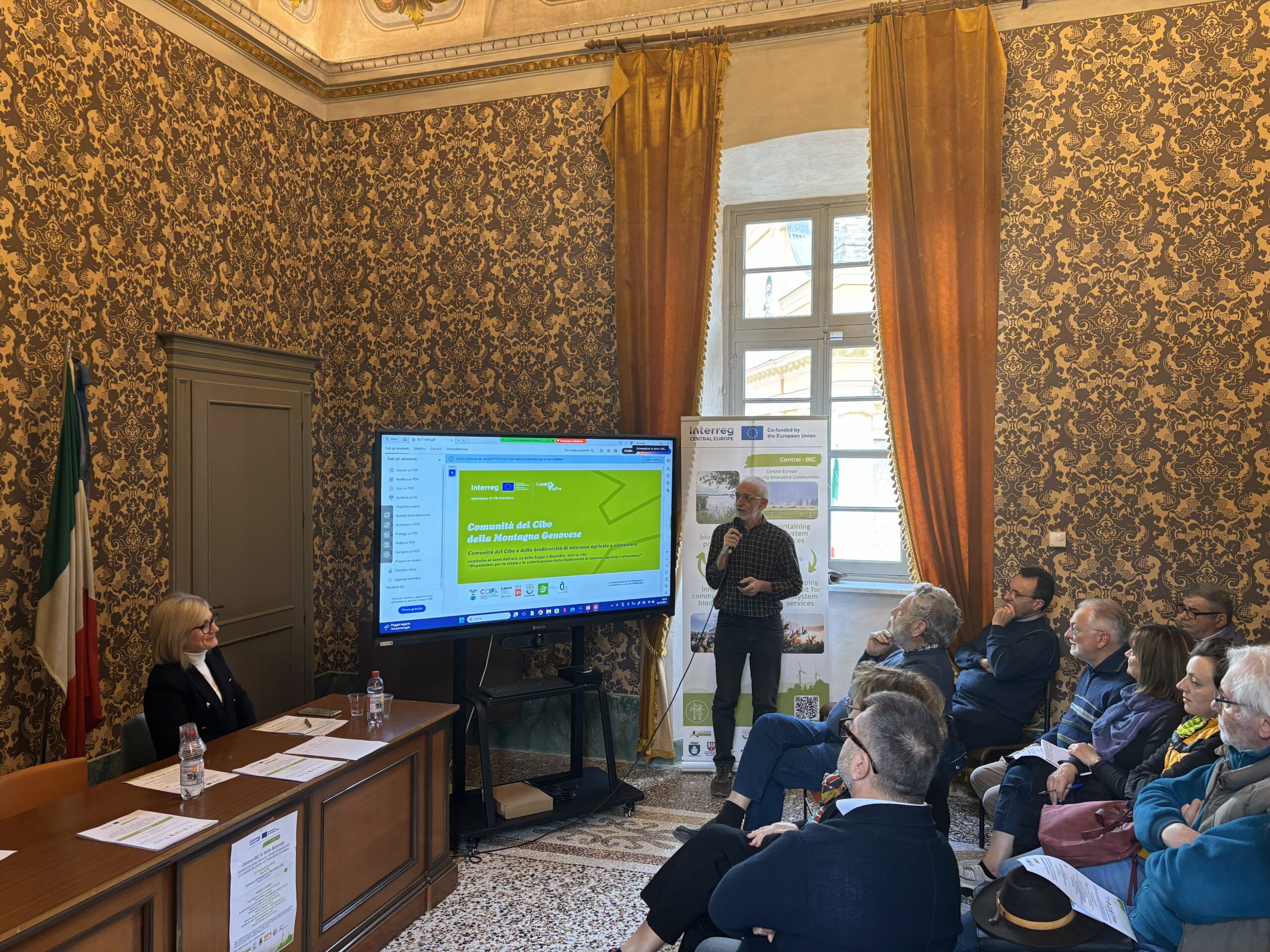
An event in Noventa di Piave to promote biodiversity and sustainable tourism in Eastern Veneto. Central-BIC in Valle Bormida: Rural Communities Leading the Ecological Transition

Project images

Central - BIC

The project lead partner is responsible for the content of this project website.

Project on social media

Project Contacts

Project Manager

Daniela Minetti
Phone: 0105488615

Finance Manager

Marina Mastrolonardo
Phone: 0105485358

Communication Manager

Carola Cavagnaro
Phone: 0105484778