
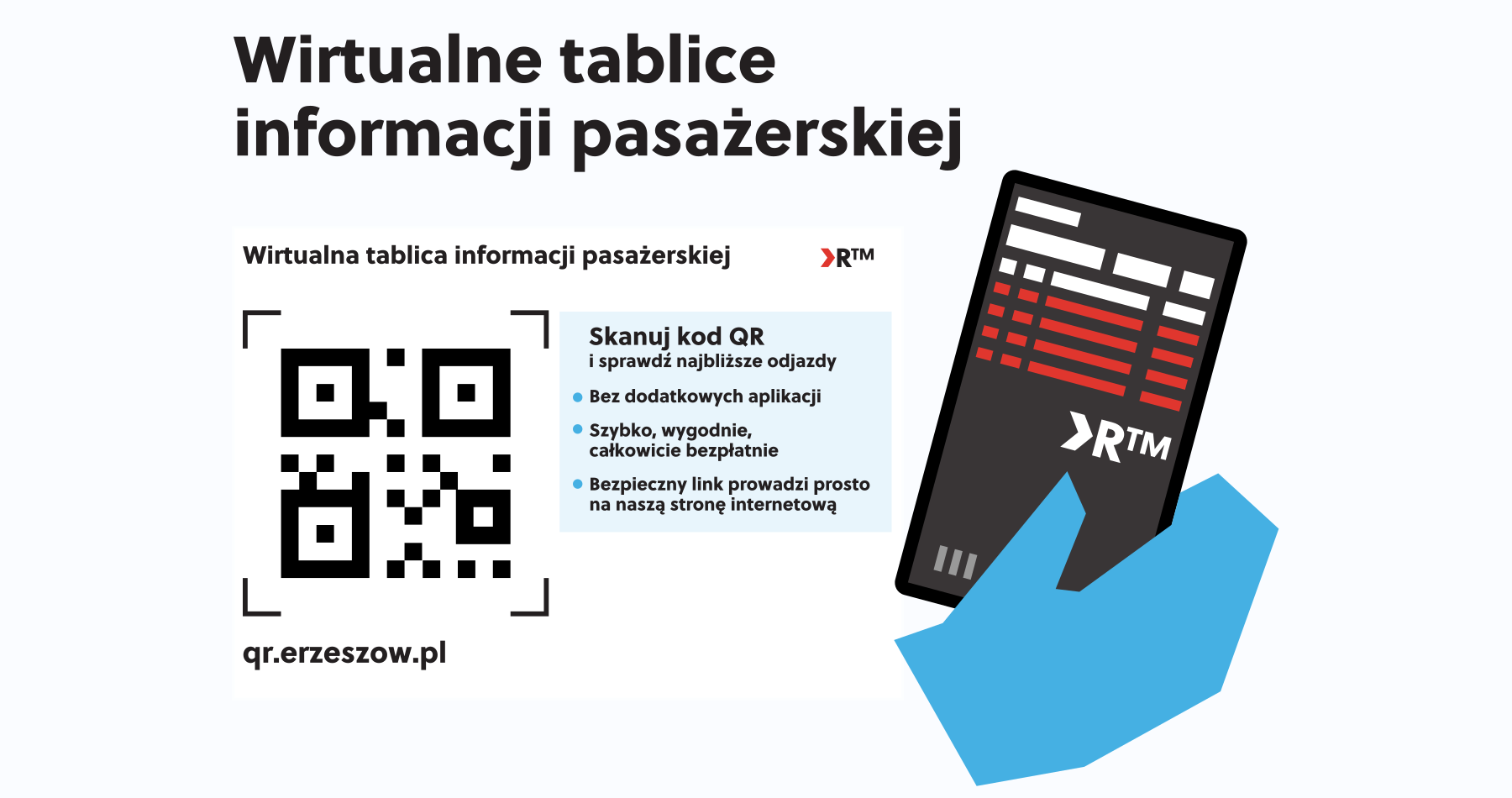
A simple QR code can make everyday public transport easier. In Rzeszów, Poland, the NUTSHELL@CE project is putting this idea into practice through the pilot implementation of Virtual Passenger Information Boards.
The new solution aims to improve the accessibility and quality of passenger information by using a tool that almost every passenger already carries – a smartphone.
One scan, multiple transport options
QR codes have been placed at selected public transport stops. By scanning the code with a smartphone, passengers can quickly access up-to-date information about available connections without downloading any additional application.
The system provides information covering different transport services, including RTM city buses, MKS suburban buses and Polregio trains departing from nearby railway stations.
Passengers can therefore access information from different transport providers in one place, helping them plan their journeys more conveniently and make better-informed travel decisions.
The pilot system covers a total of 35 locations in Rzeszów.
Making passenger information more accessible
The Virtual Passenger Information Boards offer several practical benefits. They provide quick and intuitive access to timetables and available real-time information, support easier journey planning and help reduce uncertainty while passengers are waiting for their connection.
The system is free to use and does not require an additional mobile application. Passengers only need to scan the QR code displayed at the stop and follow the secure link to the virtual passenger information board.
The QR code can also be saved on a smartphone or shared with others, allowing users to access the information even when they are not physically standing at the stop.
A practical NUTSHELL@CE solution
The Rzeszów pilot demonstrates how digitalisation can contribute to more accessible, integrated and user-friendly public transport.
Rather than introducing a complex new platform for passengers, the solution uses familiar QR technology to connect users directly with the information they need.
This practical approach reflects the wider ambition of NUTSHELL@CE: to develop and test innovative mobility solutions that respond to real territorial needs and support more sustainable public transport across Central Europe.
🎥 An instructional video has also been prepared to demonstrate how the Virtual Passenger Information Boards work.
Discover the Rzeszów QR pilot and explore the 35 locations covered by the system.