
The MoPARD-organised transfer workshop (20 November 2025) marked an important milestone in the LOCALIENCE project, translating project results into practical knowledge for a wider audience. As highlighted in the LOCALIENCE Handbook , transfer workshops are designed as the final step of the learning cycle, ensuring that tested solutions and experiences reach stakeholders beyond the original partnership. Transfer workshops were organised in all LOCALIENCE partner countries to support the uptake of project results at national level. In Hungary, several such events were held, with this workshop being one of the key occasions dedicated to engaging local stakeholders and promoting the practical application of project outcomes. The workshop primarily targeted municipal stakeholders, including mayors, municipal clerks and local government experts. This focus reflected the central role of municipalities in managing and responding to extreme weather events, as well as their need for practical, easy-to-adapt solutions. Rather than relying on traditional presentation formats, the workshop applied an interactive, practice-oriented approach. Participants were introduced to selected LOCALIENCE tools and pilot solutions, with a strong emphasis on their real-life application, underlying logic, and lessons learned during implementation. Through facilitated discussions and group work, participants explored how these solutions could be adapted to their own local contexts and administrative frameworks. A key objective of the event was not simple knowledge transfer, but enabling participants to reflect on their own challenges and identify concrete next steps for implementation. As emphasised in the project methodology, successful transfer depends on active engagement and co-creation rather than one-way dissemination. The workshop also created space for direct exchange between municipalities, supporting peer learning and strengthening connections between local actors facing similar challenges. By focusing on real decision-making situations, institutional responsibilities and practical constraints, the event contributed to a more grounded and applicable understanding of local resilience. Overall, the MoPARD transfer workshop demonstrated how interactive and targeted formats can effectively support municipalities in strengthening their preparedness and cooperation capacities. By connecting tested project results with everyday local governance realities, it reinforced the long-term impact of LOCALIENCE and supported more resilient communities across Central Europe. By: MoPARD – Gergely Trojkó
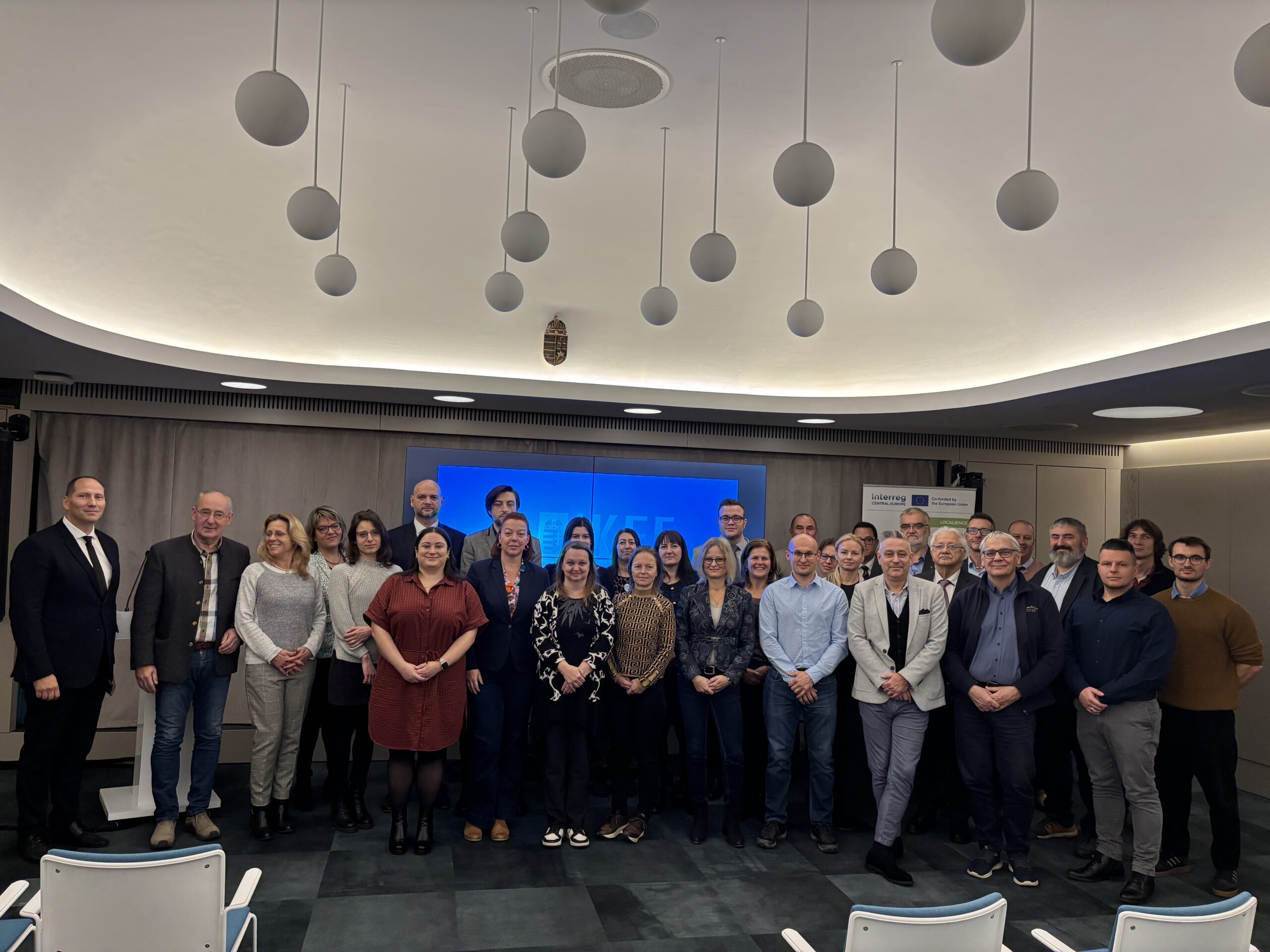
Group photo from the event by Sára jakab