Metropolitan areas are at the forefront of Europe’s most pressing challenges—from adapting to climate change and ensuring social cohesion to competitiveness, innovation, and sustainable development. Thanks to the concentration of people, resources, and expertise, they are not only where these challenges are most acute but also where we can find solutions to them.
The conference focused on how metropolitan cooperation and governance can unlock the potential of these areas and support balanced and resilient development across Europe. It presented metropolitan solutions to European challenges and emphasized the need to further strengthen their role in both national and European policies, particularly in the context of the upcoming multiannual financial framework.
You can find the press release from the conference here and information about the MECOG-CE project here.
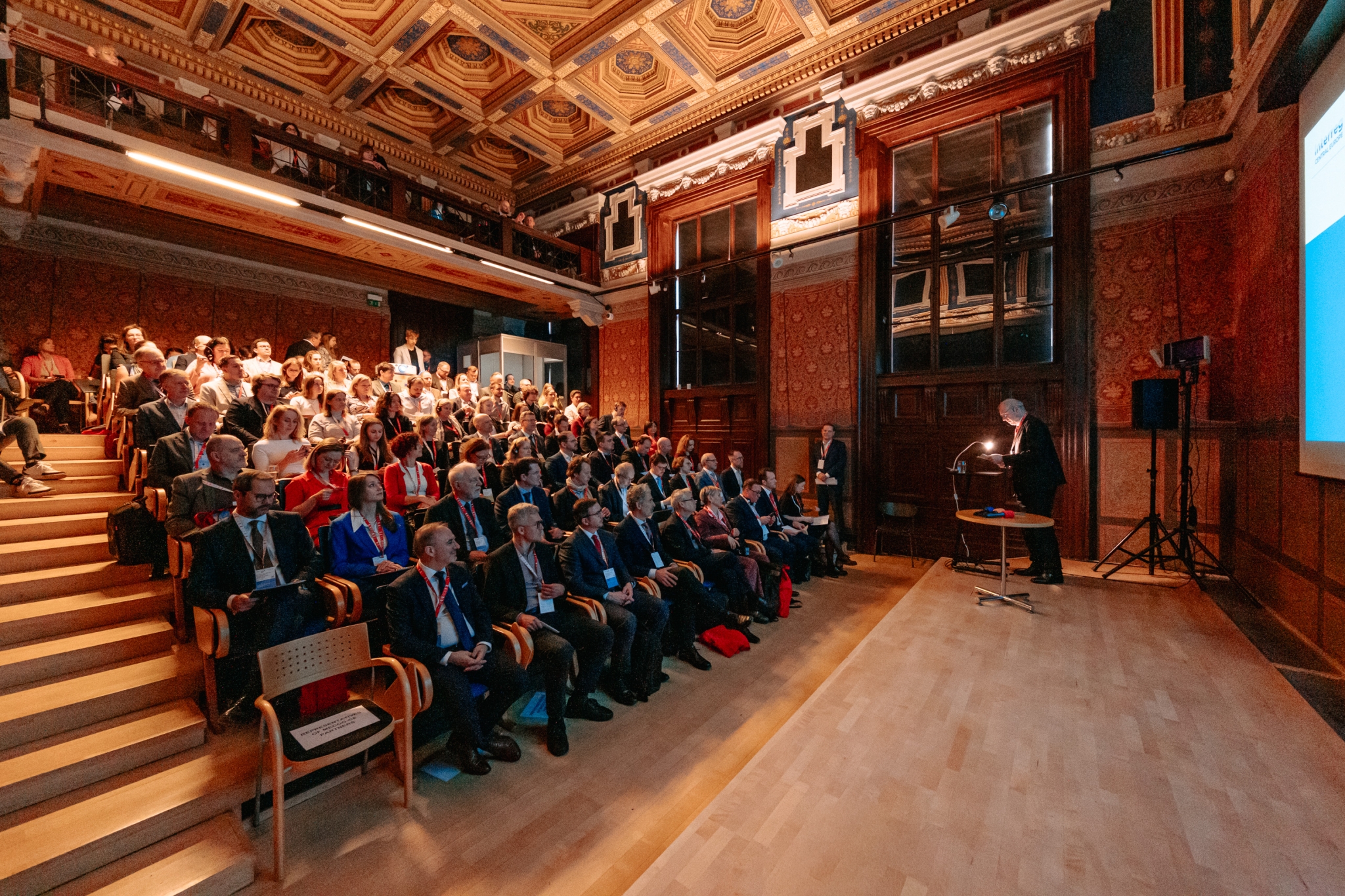
The conference was opened by Martin Příborský, a Member of the Brno City Assembly responsible for strategic development and metropolitan cooperation; Zuzana Mrázová, Minister for Regional Development of the Czech Republic; and MEP Ondřej Krutílek. They all agreed that metropolitan areas and agglomerations are essential for addressing various European challenges and play a key role in European competitiveness. This was followed by a keynote speech by Jan Olbrycht, a former MEP and current advisor to European Commissioner for Budget Piotr Serafin. He shared insights from his many years of experience in European institutions and emphasized that functional urban areas should be appropriately reflected in European policies.
The next part of the morning session was devoted to metropolitan cooperation in practice through a presentation of the outputs of the MECOG-CE project. Christophe Ebermann from the Joint Secretariat of the Interreg Central Europe programme was the first to speak; he highlighted the role of this programme for the Central European region and placed the project within its broader context. This was followed by a presentation by František Kubeš from the City of Brno, who provided a detailed overview of the project, its objectives, partners, and the City of Brno’s motivation for initiating and leading this project. The session concluded with a presentation by partners from the University of Silesia in Katowice, Robert Pyka and Zuzanna Neuve-Église, who shared the analytical work conducted within the project, which identified 76 best practices and compared metropolitan governance models across the partner metropolitan areas.
The next part of the programme focused more on the visionary and strategic aspects of metropolitan cooperation and governance. First, the Common Metropolitan Vision was presented by Luděk Sýkora from Charles University. The vision outlines the desired future state of metropolitan areas, their strengths, and the requirements for realizing their potential. Following this, Iván Tosics from the Metropolitan Research Institute focused his presentation on the Strategy for Strengthening Metropolitan Cooperation and Governance in Central Europe, which serves as a guide for metropolitan areas to improve various aspects of metropolitan governance and cooperation within their territories.
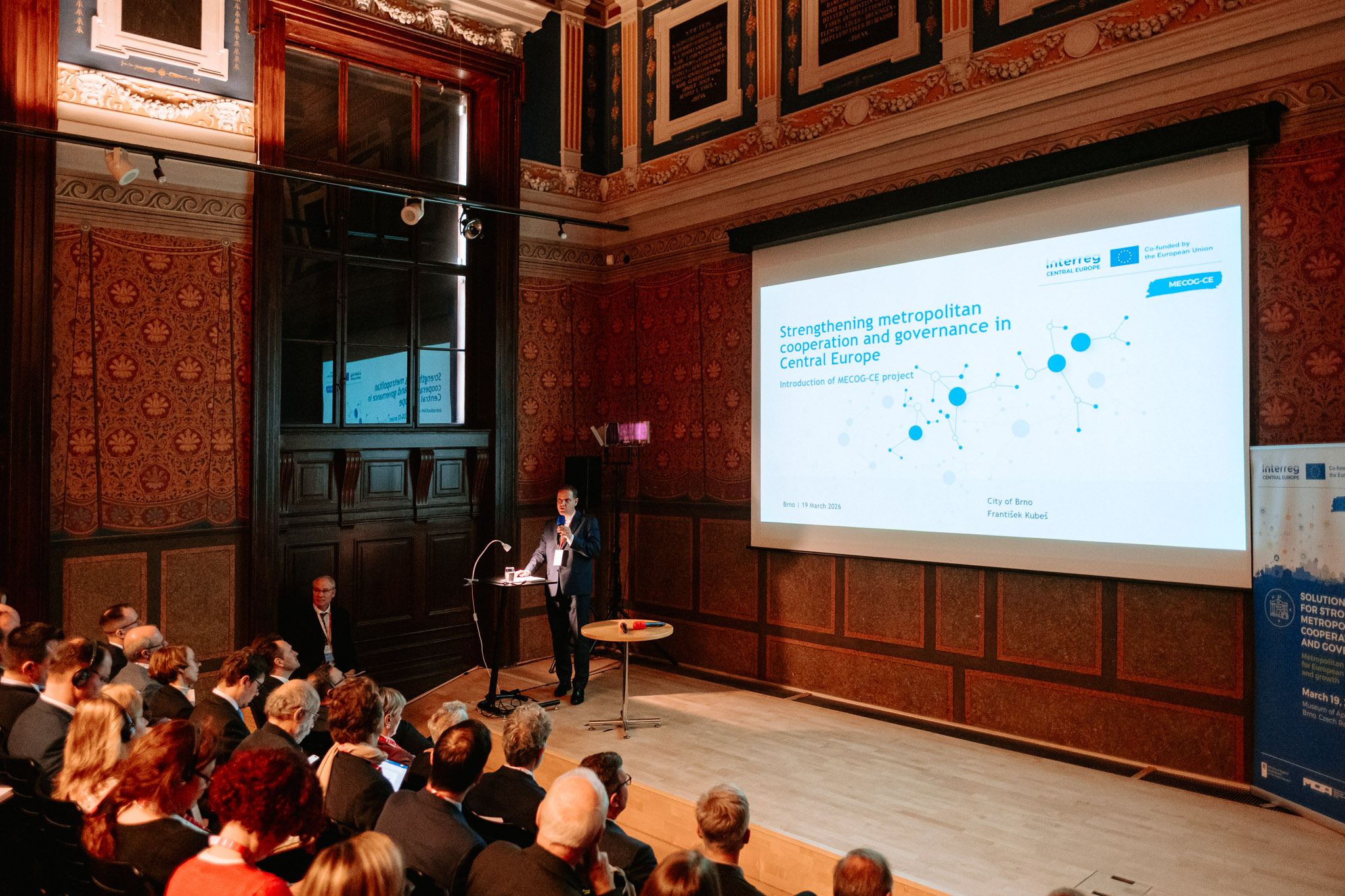
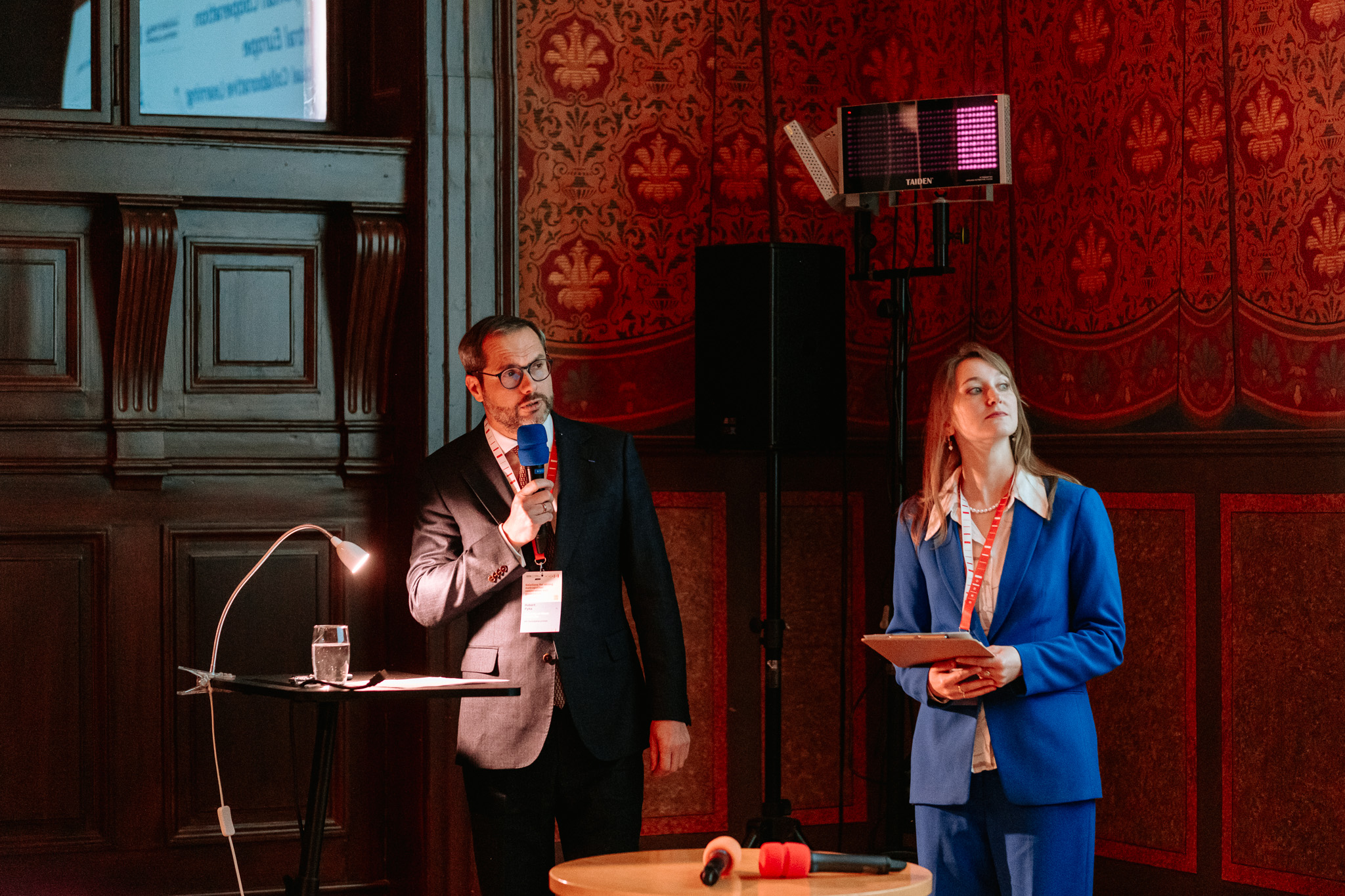
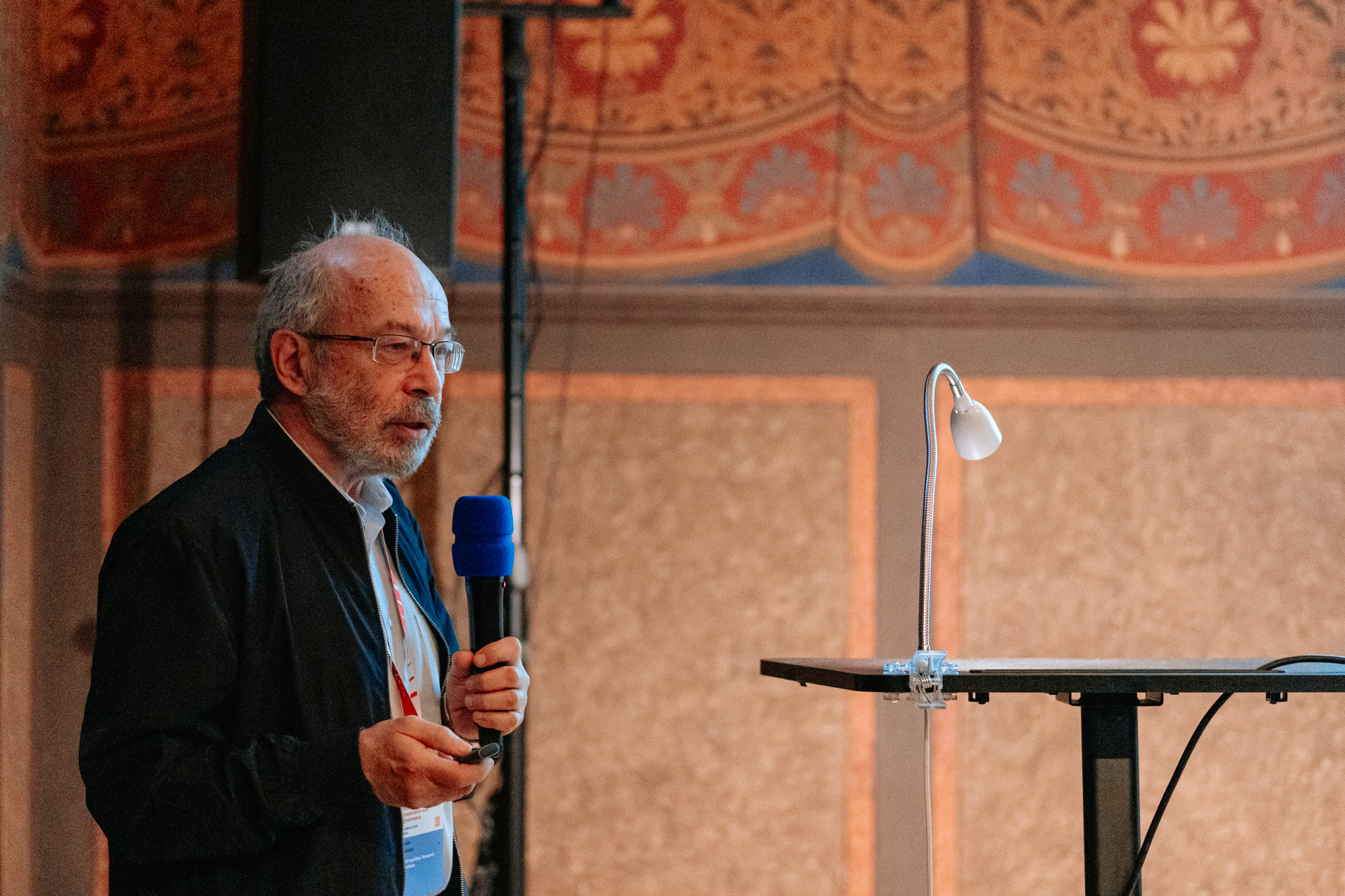
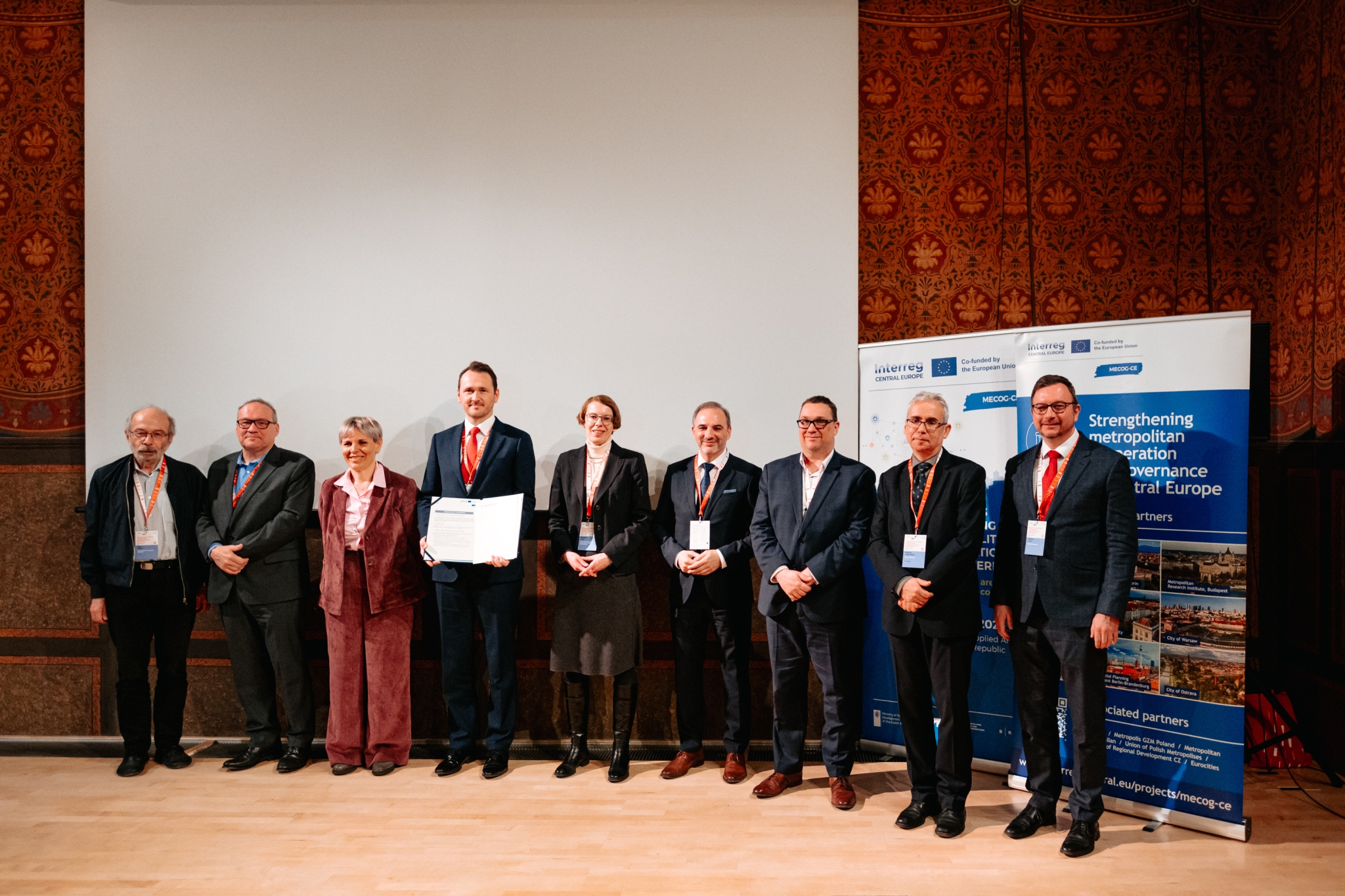
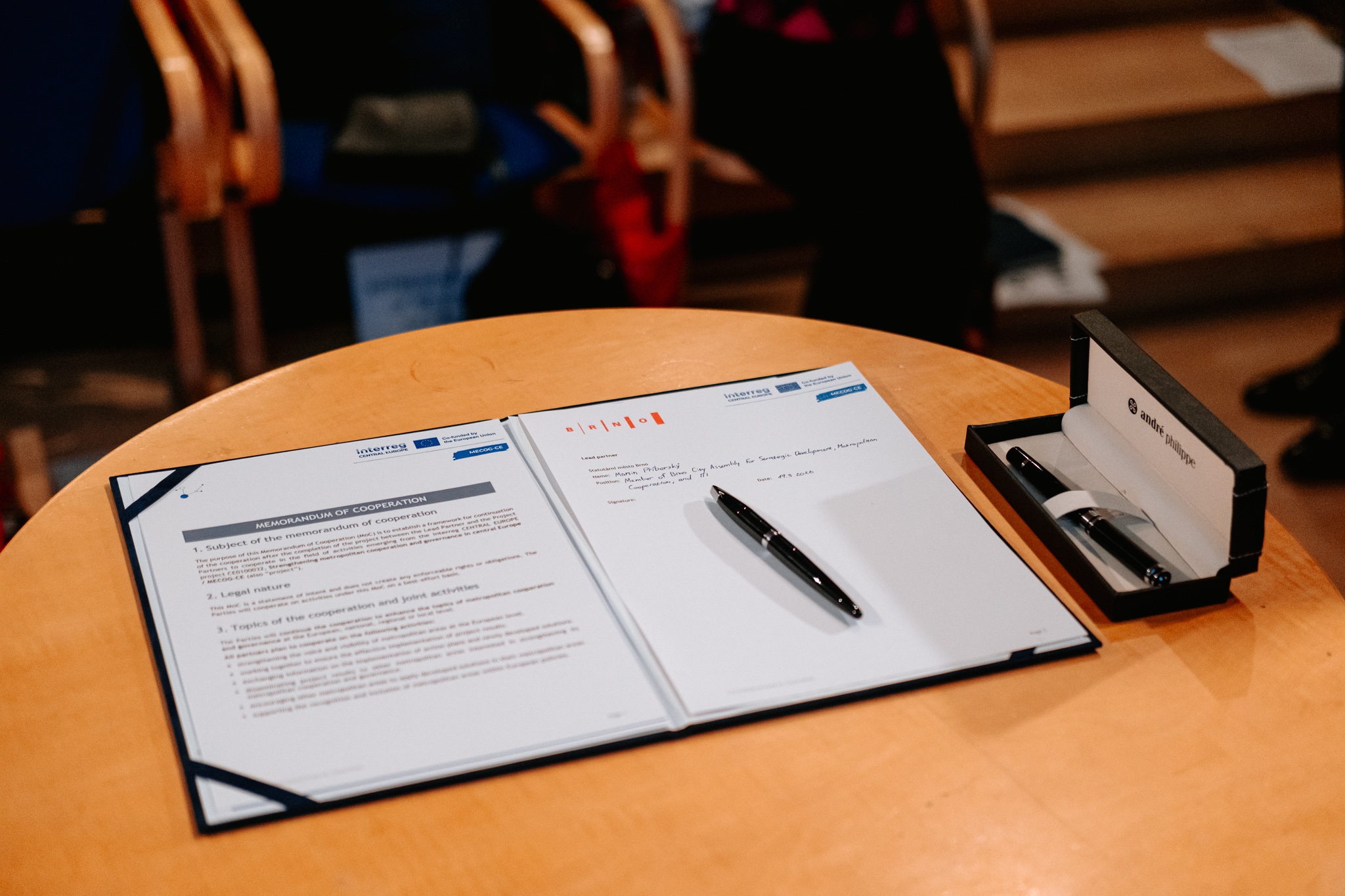
A key moment of the conference was the signing of a Memorandum of Cooperation among the project partners. All nine representatives jointly demonstrated that metropolitan issues are important to them and that they wish to continue developing them in the future after the project concludes.
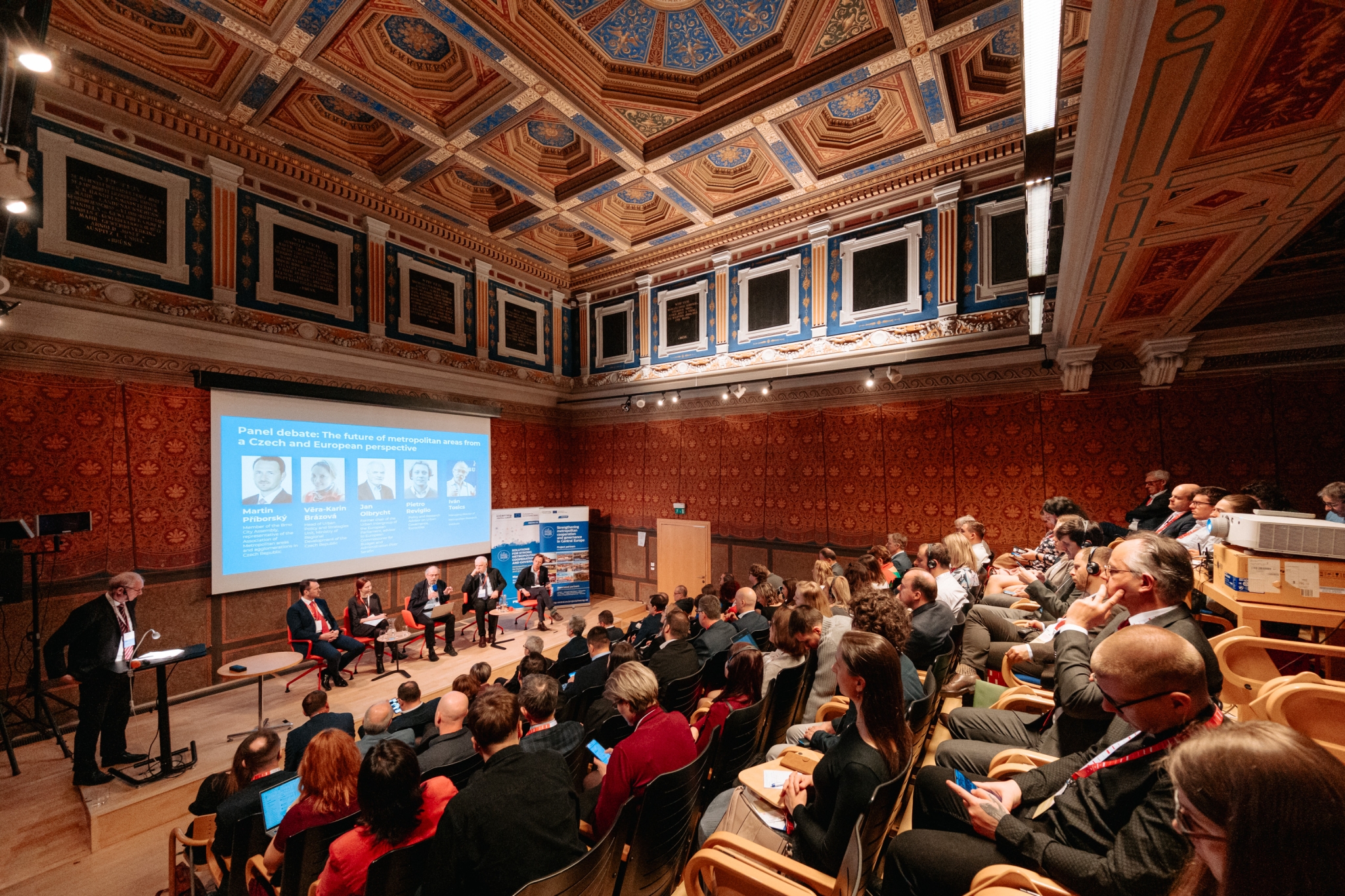
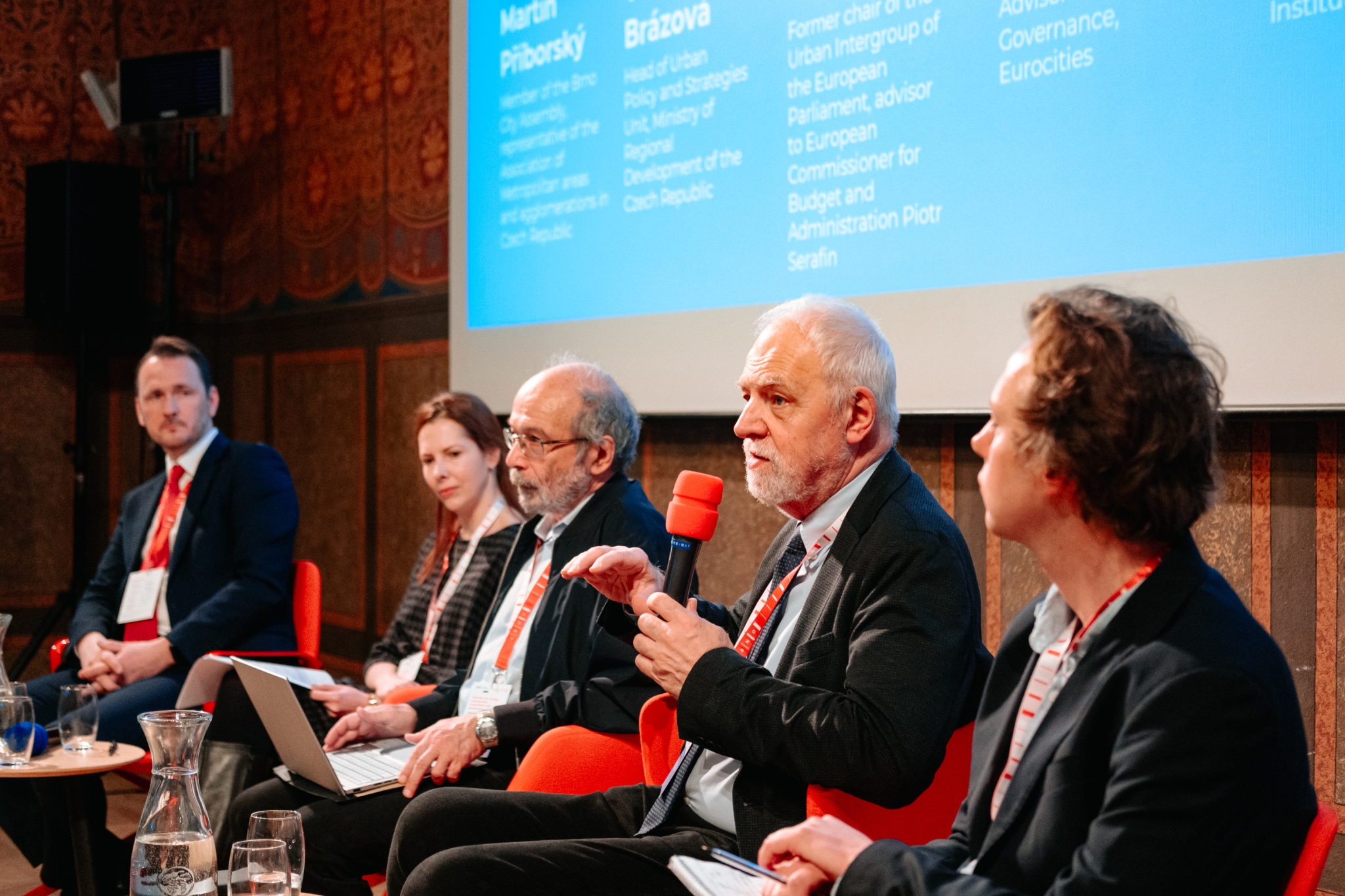
The signing was followed by a panel discussion focused on the future of metropolitan areas from a Czech and European perspective. Participants in the debate included Martin Příborský (Member of the Brno City Assembly and representative of the Association of the Metropolitan Areas and Agglomerations of the Czech Republic), Věra-Karin Brázová (Head of Urban Policy and Strategies Unit, Ministry of Regional Development of the Czech Republic), Jan Olbrycht (former Member of the European Parliament, advisor to European Commissioner Piotr Serafin), Pietro Reviglio (Policy and Research Advisor on Urban Governance, Eurocities), and Iván Tosics (Metropolitan Research Institute in Budapest). The discussion touched on important aspects such as strengthening the position of metropolitan areas and placing greater emphasis on spatial development issues in the upcoming multiannual financial framework and other European policies.
The afternoon session of the conference then offered more opportunities for interaction. First, the six metropolitan areas involved in the project presented their three-year journey, from identifying best practices and testing them to planning future steps. These partners were the Brno Metropolitan Area, the Capital Region Berlin-Brandenburg, the Metropolitan City of Turin, the Ostrava Metropolitan Area, the Stuttgart Region, and the Warsaw Metropolitan Association.
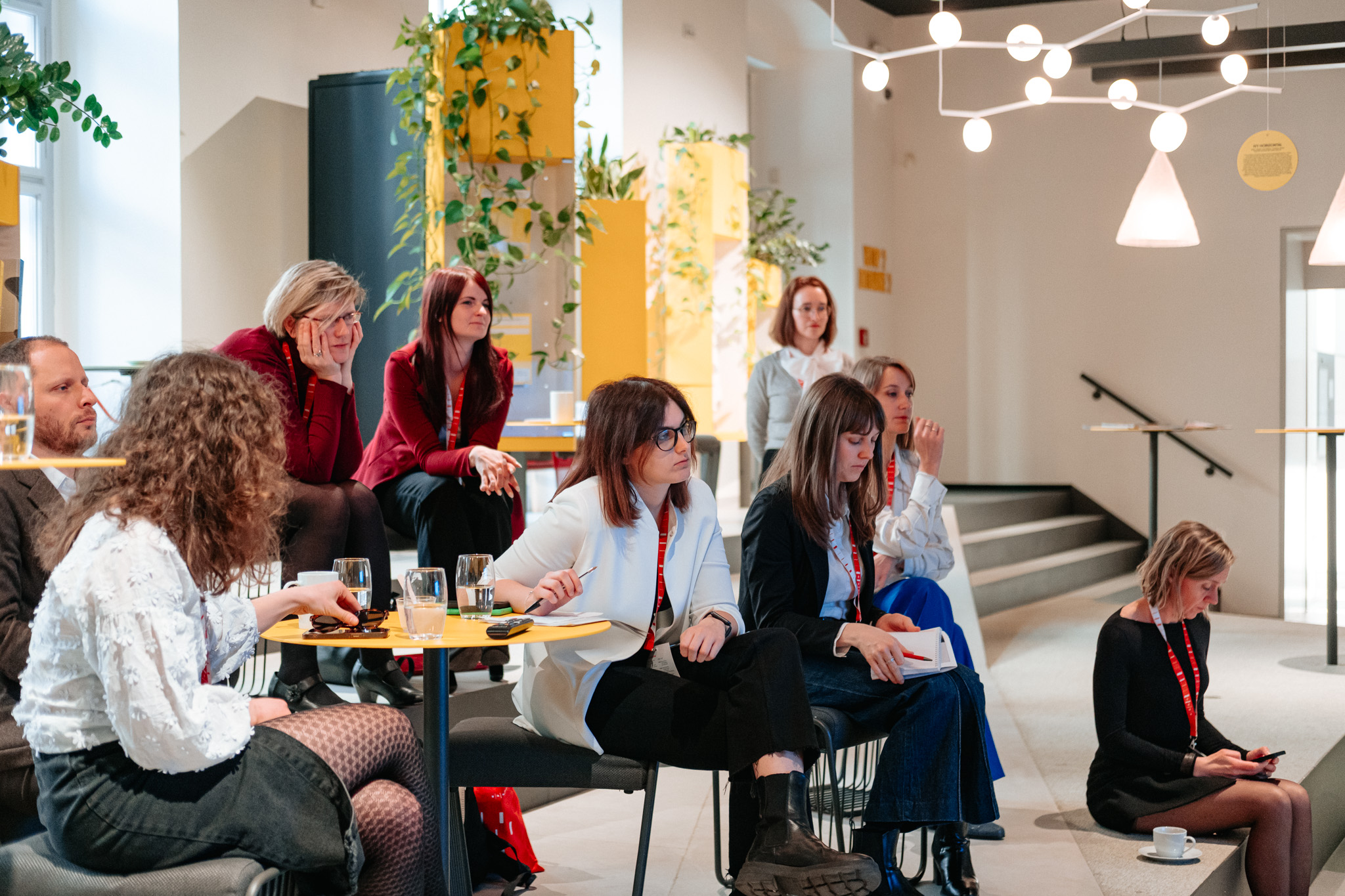
The presentations were followed by four thematic workshops focused on key metropolitan topics: mobility, food cooperation, participatory processes, and metropolitan governance. During these workshops, participants discussed ways to strengthen these topics at the metropolitan level, arguments for justifying the development of metropolitan governance, and metropolitan solutions to these issues. They also discussed future opportunities for cooperation, including participation in other European projects.
Martin Příborský concluded the conference. He noted that metropolitan areas offer solutions that are effective and contribute to the development of the region; however, to fully realize their potential, higher levels of government must incorporate them into their policies from the outset and assign them a role appropriate to their significance.
All conference materials are available for download via the following links:
- Christophe Ebermann: Why cooperation is central for strengthening governance for integrated territorial development
- František Kubeš: Introduction of MECOG-CE project
- Robert Pyka a Zuzanna Neuve-Église: Effective Metropolitan Cooperation in Central Europe: From Diversity to Mutual Collaborative Learning
- Iván Tosics: Governing Metropolitan Futures: MECOG-CE Strategy for Strengthening Metropolitan Cooperation
- Soňa Raszková: Journey of Brno Metropolitan Area
- Jürgen Neumüller: Journey of Capital Region Berlin-Brandenburg
- Massimo Vettoretti: Journey of Metropolitan City of Turin
- Dušan Pöllich: Journey of Ostrava Metropolitan Area
- Simone Jung: Journey of Verband Region Stuttgart
- Andrzej Czajkowski: Journey of Warsaw Metropolis Association
- Mobility: workshop presentation
- Governance: workshop presentation
- Participative process: workshop presentation
- Food coooperation: workshop presentation
Photos from the conference are available at this link. The photos were taken by Marieta Musálková.