
The district heating system in the Šaleška Valley is the second largest and oldest in Slovenia, supplying heat to approximately 40,000 residents across the municipalities of Velenje and Šoštanj. The network extends over approximately 180 km and is operated by Utility Company Velenje (KPV). Currently, heat is predominantly produced at the Šoštanj Thermal Power Plant (TEŠ), while distribution losses reached approximately 30% in 2025.
As part of the HEAT35 project, the Municipality of Velenje assessed several opportunities to support the transition towards a more sustainable district heating system, focusing particularly on alternative heat sources for winter heating demand.
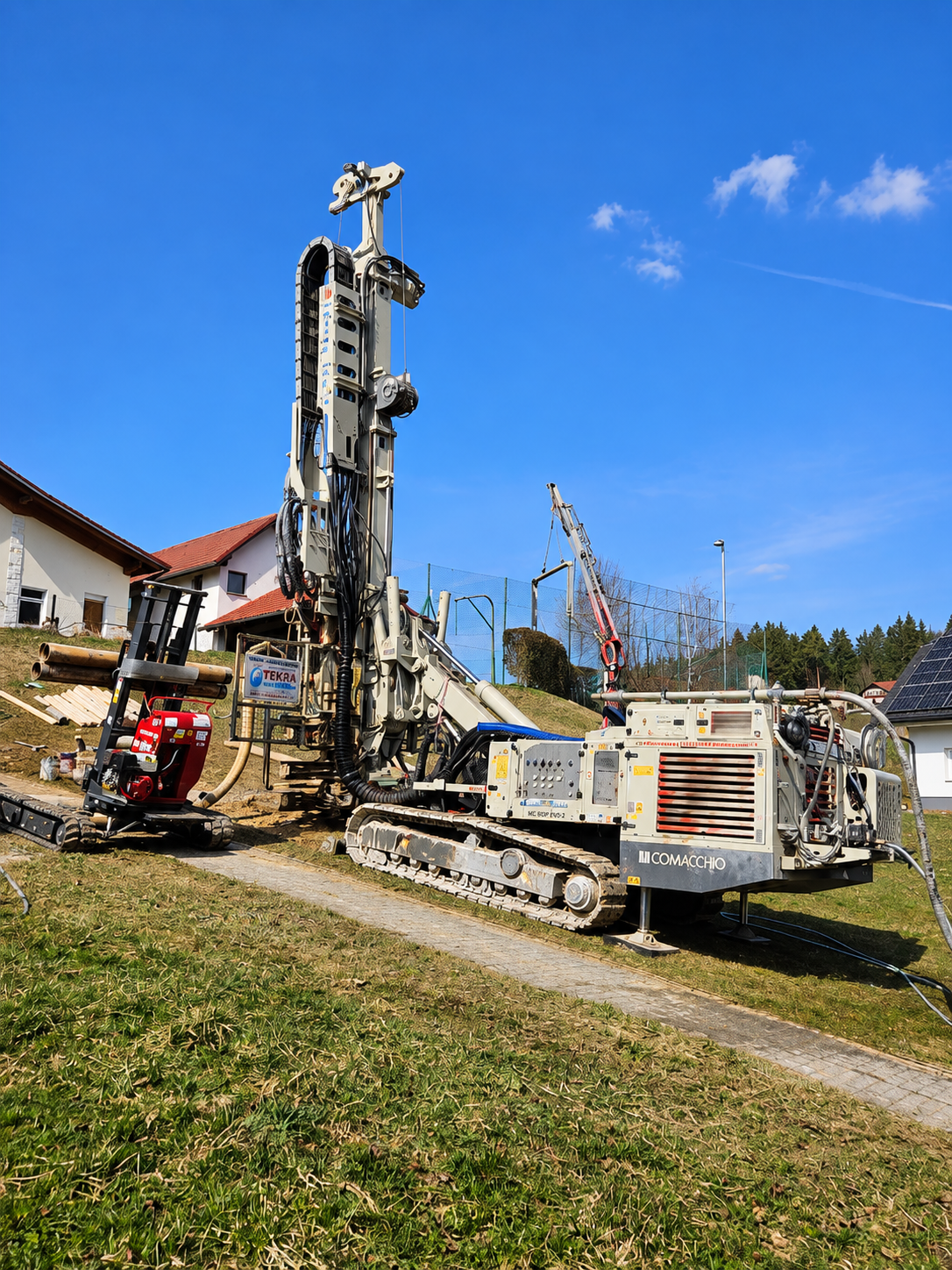
The pilot activities explored the potential of wood biomass, industrial waste heat and geothermal energy, alongside opportunities to optimise heat distribution and reduce network losses.
One of the key findings was the significant potential of sustainable wood biomass as an alternative to coal-based heat production. A regional assessment identified an estimated market potential of approximately 800.5 GWh per year across the Savinjska, Koroška and Podravska regions. The analysis also examined industrial waste heat recovery and geothermal resources, identifying opportunities for their future integration into the district heating network.
Based on these findings, Velenje’s action plan for 2035 focuses on developing a more diversified and predominantly renewable energy mix. A central biomass combined heat and power (CHP) facility is being considered as a key investment for meeting winter heating demand, complemented by industrial waste heat, geothermal energy and large-scale heat pumps.
At the same time, the municipality aims to modernise the distribution network, reduce heat losses to approximately 15-18% and gradually lower operating temperatures towards 90/70°C by 2035. These improvements will support greater energy efficiency and facilitate the integration of renewable and low-temperature heat sources.
Looking further ahead, Velenje’s vision for 2050 is to establish a fully decarbonised, fourth-generation district heating system based entirely on renewable energy sources and waste heat. This includes reducing operating temperatures towards 70/40°C and lowering distribution losses to approximately 10-12%.
Through the HEAT35 project, Velenje has established a technical foundation for future investments and the long-term transformation of district heating in the Šaleška Valley, contributing to a more sustainable, efficient and reliable energy supply.