
GOV4PeaCE concludes in Gorizia and Nova Gorica: From World War I heritage to a European culture of peace and cooperation
The GOV4PeaCE project concluded with a three-day international event held from 19 to 21 October 2026 in Gorizia (Italy) and Nova Gorica (Slovenia). Bringing together project partners and representatives of heritage institutions, public authorities and international organisations, the event combined the final project meeting, a study visit to World War I heritage sites and an international conference on the future of cross-border heritage cooperation.
Three days of cooperation, exchange and shared experiences
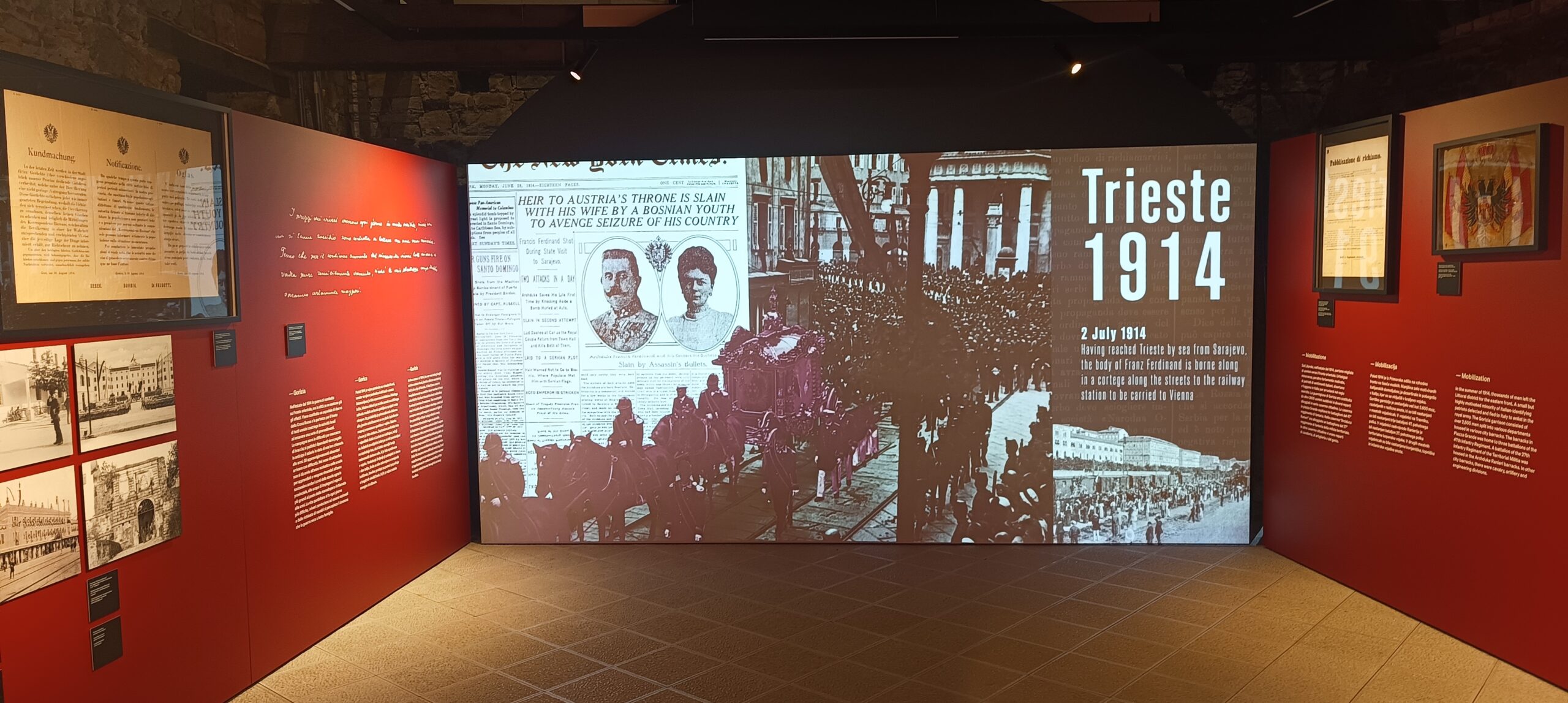
The first day, hosted at Palazzo Lantieri in Gorizia, was dedicated to the final meeting of project partners. It provided an opportunity to review the project’s achievements, exchange experiences from the different pilot territories and discuss the possibilities of continuing the cooperation established through GOV4PeaCE. The programme also included thematic workshops, allowing participants to reflect on the project’s results and the future of heritage management initiatives. The day concluded with a visit to the Great War Museum in Gorizia.
Discovering the Walk of Peace: A shared European heritage
The second day was dedicated to a study visit along the Walk of Peace, offering participants an opportunity to explore World War I heritage on both sides of the Italian-Slovenian border.
Starting at Piazza Transalpina / Trg Evrope, the symbolic square connecting Gorizia and Nova Gorica, participants visited selected heritage sites in the Italian and Slovenian Karst. Guided tours provided insights into the historical significance of the region, the preservation of wartime heritage and the ways in which individual sites can be connected through a cross-border heritage route.
The study visit demonstrated the practical value of an integrated approach to heritage management: connecting historical sites, local communities, cultural institutions and tourism stakeholders within a coherent cross-border framework. The Walk of Peace provided an inspiring example of how a difficult shared past can become a foundation for dialogue, cooperation and sustainable territorial development.
Final conference: From WWI heritage to the values of peace and cooperation
The project’s final conference took place on 21 October at the EPICenter in Nova Gorica. It brought together international experts and representatives of cultural heritage institutions, public authorities and European cooperation networks to discuss the project’s achievements and the future of World War I heritage management.
The conference opened with a presentation of the main GOV4PeaCE results, followed by discussions on the opportunities offered by the Council of Europe Cultural Routes for the Walk of Peace 14–18 and prospects for long-term cooperation between the Walk of Peace initiative and the Interreg Italy-Slovenia programme.
A central part of the event was the international round table entitled “From WWI Heritage to the Values of Peace and Cooperation”. The discussion focused on how the heritage of the First World War can be interpreted beyond its historical and commemorative dimension, becoming a shared resource for promoting peace, European identity, intercultural dialogue and cooperation between territories.
The conference also highlighted the development of the Walk of Peace from a regional initiative into a wider European network, demonstrating the potential of connecting heritage sites and organisations across national borders.
An important milestone was the official signing of the Transnational GOV4PeaCE Memorandum of Cooperation on establishing the European Walk of Peace 14–18. The agreement represents an important step towards strengthening institutional partnerships and ensuring the continuation and further development of the initiative beyond the project’s lifetime.
GOV4PeaCE: Building lasting foundations for heritage governance
The final event provided an opportunity to reflect on the project’s achievements and the cooperation developed between partners from different Central European countries.
Throughout the project, GOV4PeaCE worked on developing and testing a transferable governance model for the sustainable management of First World War heritage, drawing inspiration from the experience of the Walk of Peace. The project demonstrated the importance of cooperation between public authorities, heritage organisations, tourism institutions, experts and local communities in connecting historical sites and turning fragmented heritage resources into coherent territorial initiatives.
The Polish pilot, coordinated by the Association of the Carpathian Euroregion in cooperation with partners from Gorlice, the Poloniny National Park and the In Flanders Fields Museum, contributed to this objective through the development of the Carpathia Memory concept. Its results include an inventory of World War I heritage, four thematic heritage trails, a map and proposals for coordinated heritage management and cross-border cooperation in the Carpathian region.
The final meeting in Gorizia and Nova Gorica was therefore more than a closing event. It provided an opportunity to exchange experiences, present good practices and establish foundations for continued cooperation between regions and institutions.
From the Soča Valley to the Carpathians, GOV4PeaCE leaves a shared message: Europe’s difficult history can become a source of cooperation, mutual understanding and a more peaceful future,