
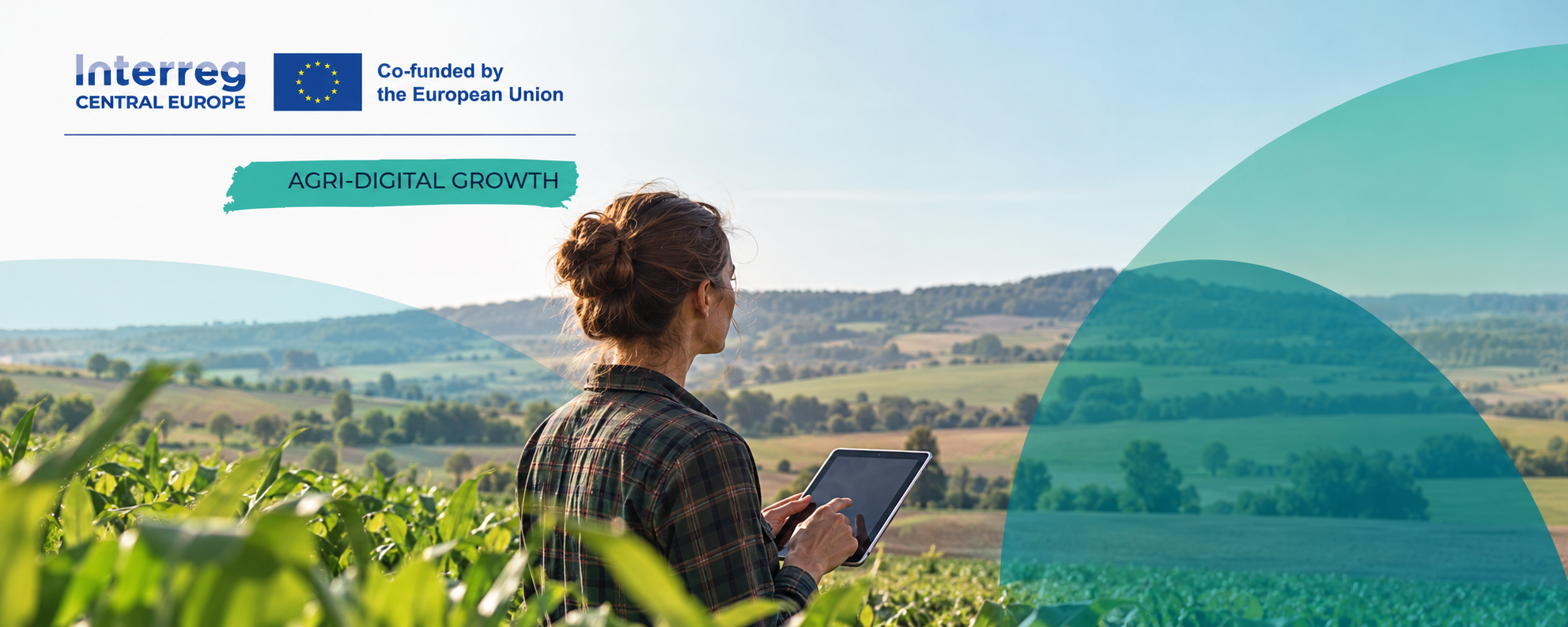
Every year on 15 October, the International Day of Rural Women recognises women’s contribution to agriculture, food production and rural economies. In 2026, the celebration has particular significance, as the United Nations has declared the International Year of the Woman Farmer.
Agriculture is changing rapidly. Satellite imagery, sensors, automated machinery and artificial intelligence are becoming part of farm management, while new professional profiles are emerging in agricultural businesses, research and technical services. Access to the knowledge needed to use digital technologies is therefore increasingly important for the future of rural employment.
For women working in agriculture, however, opportunities to benefit from technological innovation are closely connected to wider inequalities in access to education, professional networks, financial resources and decision-making positions.
Women’s participation in a changing agricultural sector
Women have long contributed to agricultural production, family businesses and rural communities, although their work has not always received the same recognition as men’s. Their presence in farm management has increased, but important differences remain.
According to the European Commission, women manage around 32% of farms in the European Union. They continue to face barriers in accessing land, finance, training and other resources needed to develop agricultural businesses.
Digitalisation introduces further questions about who can access new technologies and acquire the skills required to use them. Precision farming involves more than purchasing equipment. Farmers and agricultural professionals need to understand data, evaluate technological solutions and decide how to apply them to their production activities.
Training can help improve access to professional opportunities, particularly for people who have had fewer chances to acquire technical skills. At the same time, digital education needs to respond to the working conditions of agricultural businesses, including the time and resources available for learning.
Digital skills and professional opportunities
The development of precision farming is creating demand for knowledge in areas that were once less closely connected to agricultural production. Geographic information systems, remote sensing, agricultural robotics, data processing and digital machinery management now form part of the technical skills used across the sector.
For women who manage farms, work in agricultural SMEs or are considering a career in agriculture, acquiring digital skills can support greater independence in technical and business decisions. It can also create opportunities in advisory services, technology development, research and agricultural machinery.
The availability of training is especially relevant in rural areas, where access to specialised educational institutions and professional development opportunities may be limited. Online learning can make some forms of education easier to access, although connectivity, time and the availability of suitable equipment remain important factors.
The European Commission has recognised the need to improve women’s professional opportunities in agriculture. In March 2026, it launched the Women in Farming Platform to support mentoring, professional exchanges and cooperation among women farmers across the European Union.
The initiative forms part of a wider effort to improve participation in agricultural businesses and strengthen the exchange of practical knowledge.
Digital skills and opportunities for women in agriculture
Agri-Digital Growth supports access to precision farming knowledge through free online courses, practical activities in Living Labs and cooperation between research institutions and agricultural businesses.
For women working in agriculture or considering a career in the sector, these opportunities can make specialised training more accessible and help them acquire skills in areas such as data analysis, digital technologies and agricultural robotics. Practical exchanges with researchers and professionals can also strengthen their connections with the agricultural innovation sector.
By making technical knowledge more widely available, Agri-Digital Growth can contribute to reducing barriers to professional development and help more women take part in the digital transformation of agriculture.
The International Day of Rural Women is a reminder that technological progress must be accompanied by equal opportunities to learn, work and participate in decisions about the future of farming.
Learn more about the European Commission’s Women in Farming Platform.