
On June 18, 2026, the South Transdanubian Regional Innovation Agency (DDRIÜ Nonprofit Kft.) successfully hosted an online capacity-building workshop titled “Training for PAs Staff to Enhance Employees’ Skills in GPP Requirement and Raising Awareness for Circular Economy”. Organized within the framework of the Interreg Central Europe CE-PRINCE project, the session brought together 10 public procurement professionals representing 8 public sector organizations.
The workshop provided comprehensive guidance on translating European and Hungarian environmental strategies into actionable public tender criteria. Participants explored the core objectives of Hungary’s National Green Public Procurement Strategy (2022–2027), which sets a mandatory benchmark to reach a 30% green public procurement ratio by 2027.
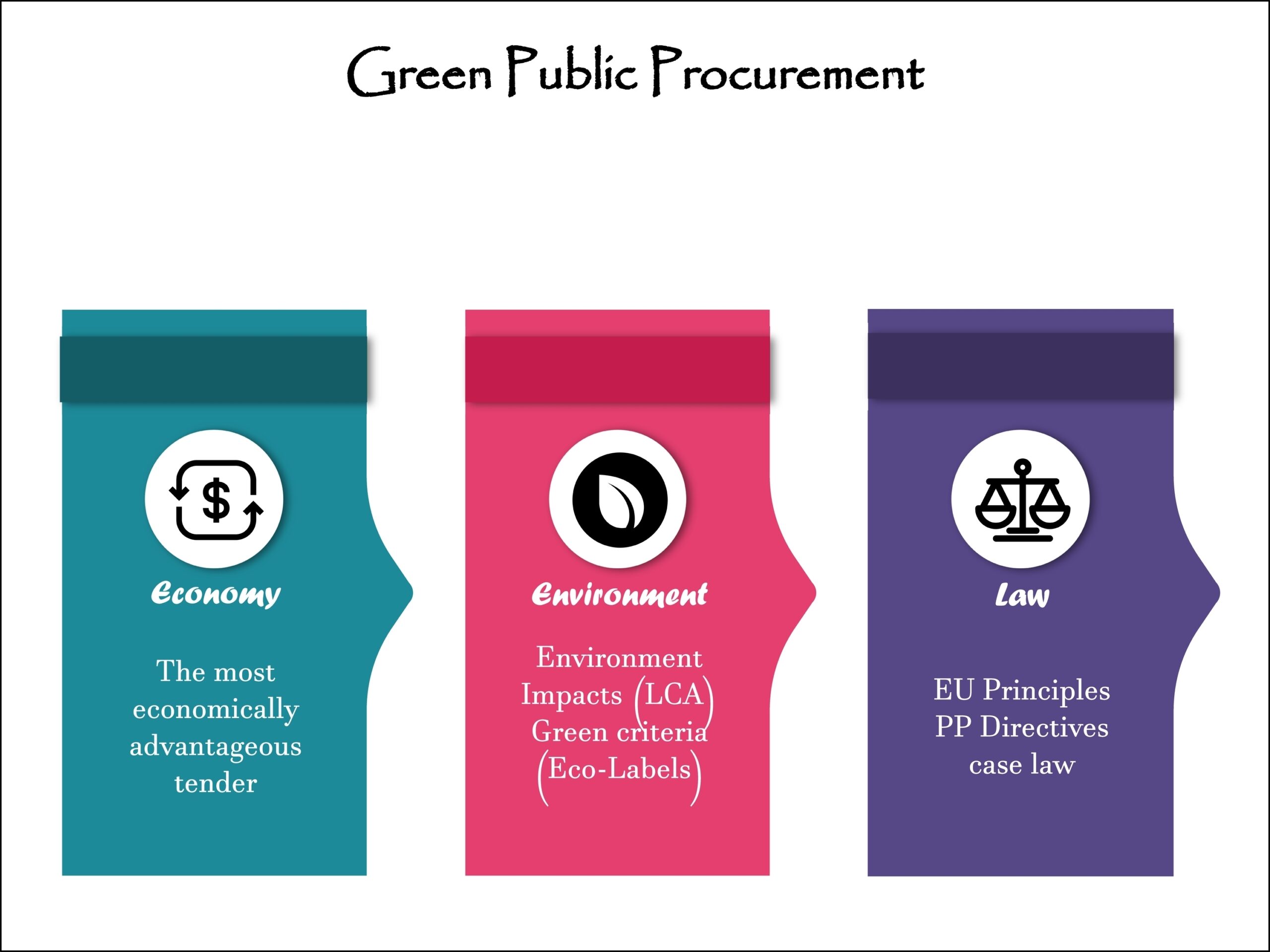
A central highlight of the training was the introduction of the European Commission’s EU GPP criteria set, developed by the Joint Research Centre (JRC-IPTS) in Seville. The presentation detailed how scientifically validated, life-cycle-based criteria can be integrated across priority product and service categories, including indoor cleaning, office furniture, transport vehicles, street lighting, public catering, and road construction.
The training placed special emphasis on recent Hungarian legislative updates enforcing green criteria:
· Government Decree 235/2024 (VIII. 8.): Establishing mandatory environmental requirements for copy paper, IT workstations, cleaning supplies, and building refurbishments.
· Clean Mobility Quotas (Gov. Decree 397/2022): Directing public bodies toward zero-emission vehicle fleets.
· Public Catering Standards (Gov. Decree 676/2020): Enforcing a minimum 80% threshold for local food sourcing via Short Food Supply Chains (KREL).
· Sustainable Building & Civil Engineering: Utilizing standardized evaluation templates for construction waste management, secondary aggregate usage, and Life-Cycle Costing (LCC).
The workshop concluded with an interactive discussion on overcoming contracting authorities’ traditional risk aversion through standardized verification tools, such as Type I Ecolabels (ISO 14024), accredited Environmental Product Declarations (EPD), and central support microsites from the Public Procurement Authority.