
The workshop brought together an unusually diverse group of people united by a shared challenge: how to reduce conflicts between people and brown bears while improving waste management in the region. Around the same table sat local government representatives from municipalities across the Bieszczady region, scientists studying large carnivores, conservation practitioners, representatives of agricultural and environmental institutions, non-governmental organisations and specialists from waste-management companies. Their different experiences and perspectives turned into a lively exchange of ideas and practical insights.
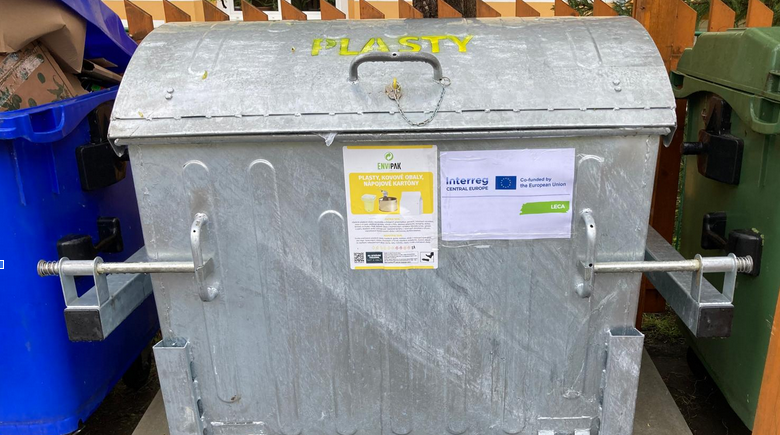
As the discussions unfolded, one issue repeatedly returned to the centre of attention—bears gaining access to anthropogenic food sources. Earlier analyses had already pointed to poorly secured waste as one of the main drivers of human–bear conflicts. Building on this knowledge, the WWF Poland team introduced a range of waste-management solutions designed for different municipal systems and waste volumes. These proposals offered concrete examples of how communities could reduce the likelihood of attracting bears to human settlements.
The presentations soon gave way to collaborative work. In workshop sessions, participants began examining the problem from the perspective of their own municipalities and institutions. They identified the actions they believed would be most effective in limiting conflicts with bears, while also openly discussing the obstacles that might arise when trying to implement these measures in practice. Step by step, the conversation moved from identifying challenges to shaping workable solutions. Together, the group developed practical measures that could strengthen prevention and reduce the risk of dangerous encounters between people and bears.
During the meeting, participants also learned about the national recommendations prepared under the LECA project, including guidance aimed at minimising conflicts with large carnivores across Poland.
Beyond the formal presentations and workshop sessions, the meeting created an important space for dialogue and the exchange of experience. Participants shared examples from their own regions, discussed what had worked—and what had not—and explored how cooperation between municipalities, scientists and conservation organisations could lead to more effective solutions. The workshop clearly showed that concrete action is already under way.
The organisers hope that the discussions in Łukowe will inspire local communities to test bear-resistant waste-management solutions and continue working together on this issue. Only through sustained cooperation and shared commitment can long-term, effective solutions to human–bear conflicts be achieved. 🐻