
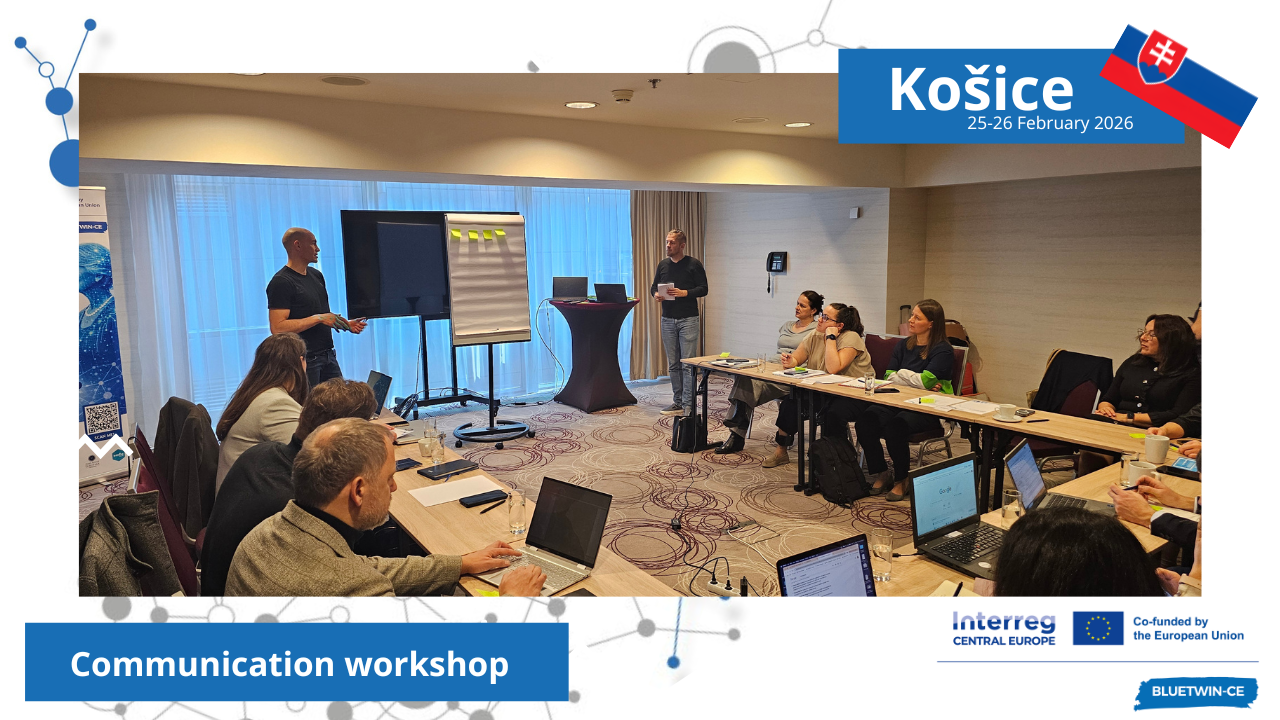
The session began by establishing a shared understanding of the Blue Zone principles across the entire consortium. To ensure a common conceptual foundation, each participant was asked to formulate a concrete Blue Zone-type intervention on a sticky note and briefly justify their proposal. This exercise helped move the discussion from abstract principles to tangible, locally applicable actions.
Building on this common understanding, the partnership selected one specific urban Blue Zone intervention and explored it through a structured role-play simulation. Participants represented different stakeholder perspectives and examined how conflicting interests can naturally emerge around such transformative measures.
Through this interactive exercise, the group analyzed typical tensions between health, economic, mobility, and social considerations. More importantly, the discussion focused on how governance structures can help manage these conflicts, balance competing interests, and create transparent decision-making processes.
The workshop marked an important first step toward developing a Transnational Blue Zone Governance Strategy. By aligning on principles and openly discussing stakeholder dynamics, the partnership laid the groundwork for a governance framework capable of supporting healthier, more vibrant rural communities.
Further refinement of the governance model will continue in the upcoming workshops.
https://www.interreg-central.eu/wp-content/uploads/2026/03/Kosice-meeting-gov-ws.png