Showing what is possible: Introducing zero-emission standards in historic neighbourhoods
When we think of zero-emission standards, we often picture sleek new buildings designed for efficiency from the ground up. But what about historic city centres, places where strict conservation rules protect centuries-old façades, materials and streetscapes? Can these landmarks embrace sustainability without losing their soul?
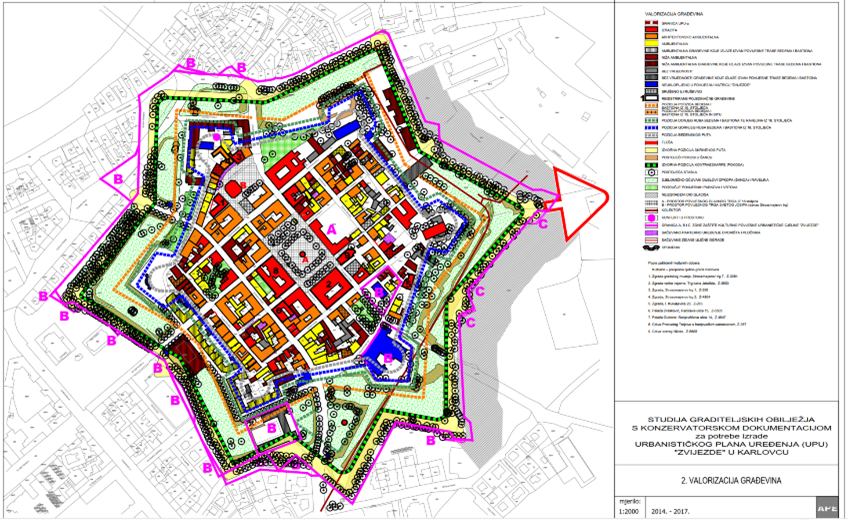
That is the challenge shared by four heritage-rich cities: Palmanova (Italy), Zamość (Poland), Karlovac (Croatia), and Quedlinburg (Germany). Each is known for distinctive historic urban fabric, from star-shaped layouts to UNESCO-listed heritage, and each now faces the same modern test: how to decarbonise neighbourhoods while respecting what makes them culturally unique.
This is where ZEB4ZEN comes in. The project is developing a transferable transnational methodology and regional action plans to help historic neighbourhoods move toward zero-emission standards.
In dealing with the most complex neighborhoods in terms of energy retrofitting cooperation is central, as we need different types of experts from various countries.
Tailor solutions to heritage, then make them replicable
Energy retrofitting in historic centres is rarely a “copy-paste” exercise. Regulations differ, energy needs vary, and interventions must be compatible with protected buildings and public spaces. ZEB4ZEN addresses this by bringing together specialists in energy efficiency, renewable energy and heritage conservation to co-develop solutions that work within real-world constraints and to turn them into approaches other historic cities can adopt.
Making the future visible: zero-emission scenarios and virtual reality
One of the project’s outcomes is a methodology to define different zero-emission scenarios for historic neighbourhoods. To help decision-makers and citizens understand the options, ZEB4ZEN uses Virtual Reality (VR) to visualise decarbonisation strategies, allowing people to “step into” future neighbourhood scenarios and explore what changes could look like before decisions become irreversible.
To ground the methodology in practice, ZEB4ZEN is testing its approach in four pilot neighbourhoods: pilot investments are being implemented in Palmanova (a Solar Energy Community), Zamość (optimised thermal insulation in historic tenement houses), and Karlovac (a green and digital neighbourhood transformation), while Quedlinburg is part of the pilot set where the project’s VR-based energy planning tool is developed and tested alongside the other pilot locations to visualise and assess action-plan scenarios.
Why cooperation beyond borders matters
Historic centres across central Europe face the same dilemma: high climate ambition meets rigid preservation rules. ZEB4ZEN’s transnational approach makes it possible to compare solutions across different legal and urban contexts and to build strategies that are adaptable and scalable, not just locally valid.
ZEB4ZEN shows that preserving the past and building a sustainable future can go hand in hand when innovation is developed with heritage in mind, and shared across borders.
Project: ZEB4ZEN
Duration: 2023-2026
Budget: 2,04 m €
Partners: DE, HR, IT, PL