


Project stories
Step into the stories behind cooperation.
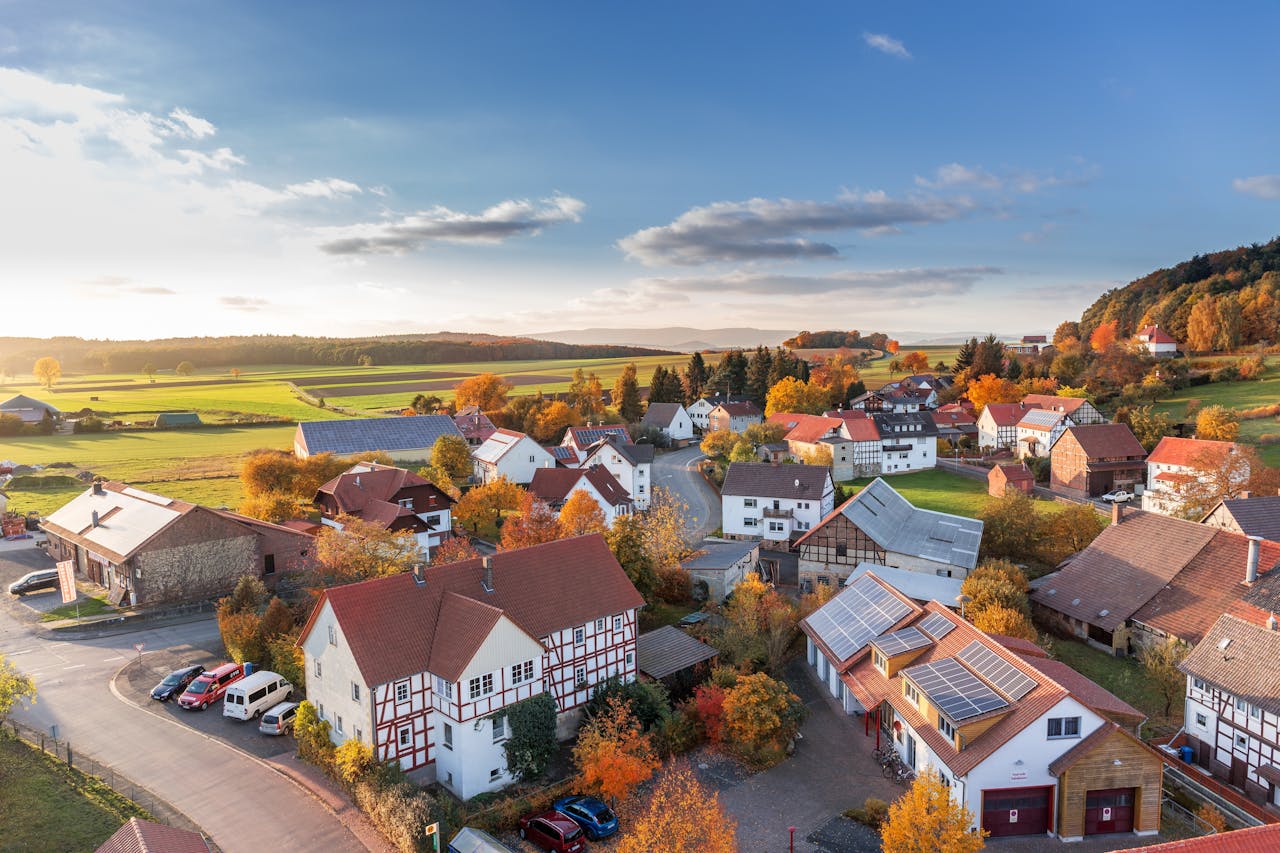
Smart villages start with people: Hajdú-Bihar’s Senior Points
In Hajdú-Bihar County in eastern Hungary, “smart villages” do not start with sensors or fancy apps. They start with a simple question: what happens when everyday services move online and a growing share of residents cannot follow?From e-prescriptions and public services to banking and communication with family, the shift to digital can create a barrier, especially for older residents. The More than a Village project addresses this gap with a practical, community-based solution: so-called Senior Points…
Project More than a village
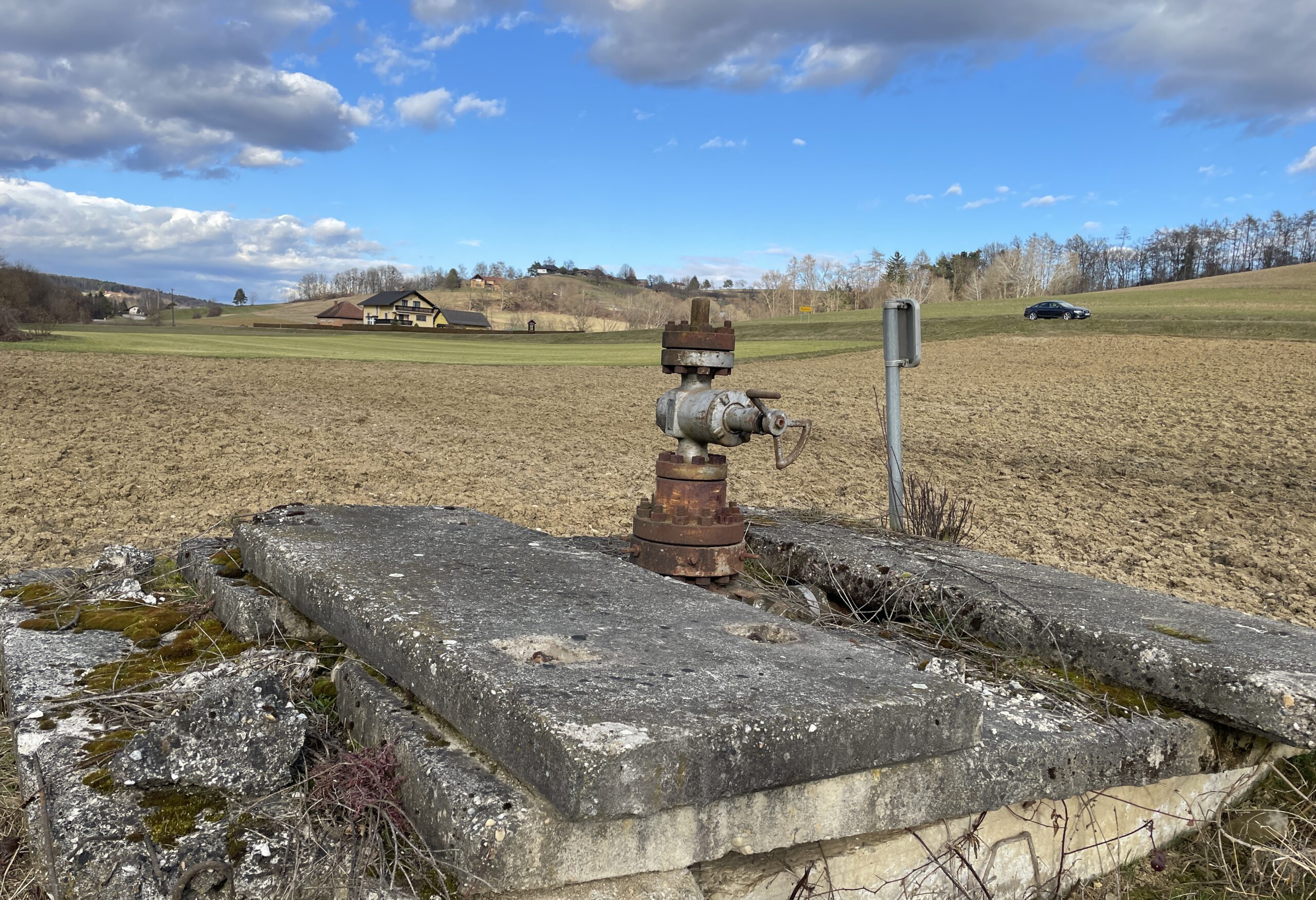
From fossil fuels to clean heat: TRANSGEO is giving old oil and gas wells a second life
Murska Sobota, in Slovenia’s far northeast, sits close to the borders of Austria, Hungary and Croatia. At first glance, it seems worlds apart from Brandenburg’s former coal region in northeast Germany, industrial areas around Croatia’s capital, the Pannonian Basin in southern Hungary, or Austria’s Weinviertel wine region. Yet they share something underground: old oil and gas wells. For decades, central Europe drilled thousands of wells in search of what was once…
Project TRANSGEO
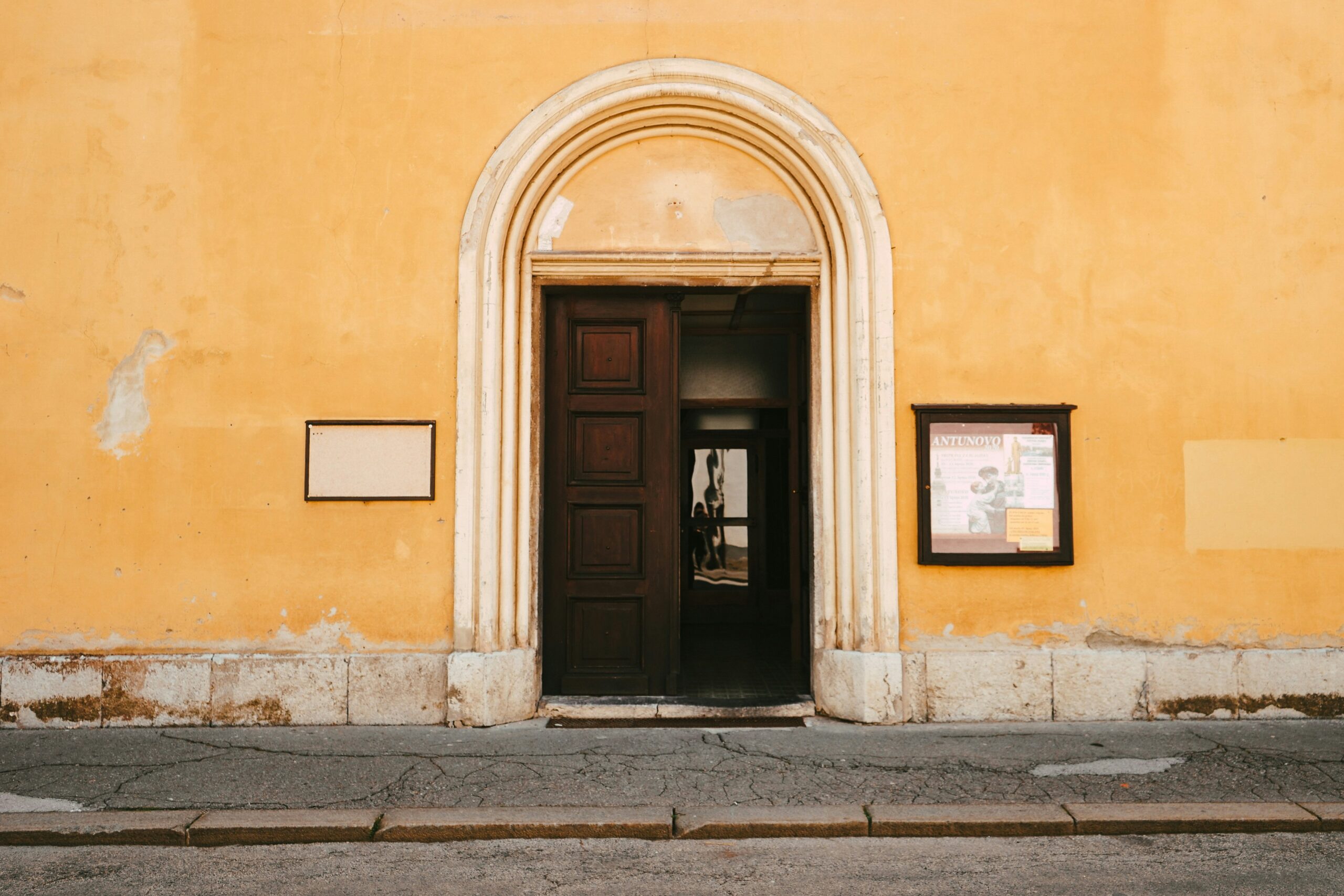
Showing what is possible: Introducing zero-emission standards in historic neighbourhoods
When we think of zero-emission standards, we often picture sleek new buildings designed for efficiency from the ground up. But what about historic city centres, places where strict conservation rules protect centuries-old façades, materials and streetscapes? Can these landmarks embrace sustainability without losing their soul? That is the challenge shared by four heritage-rich cities: Palmanova (Italy), Zamość (Poland), Karlovac (Croatia)…
Project ZEB4ZEN
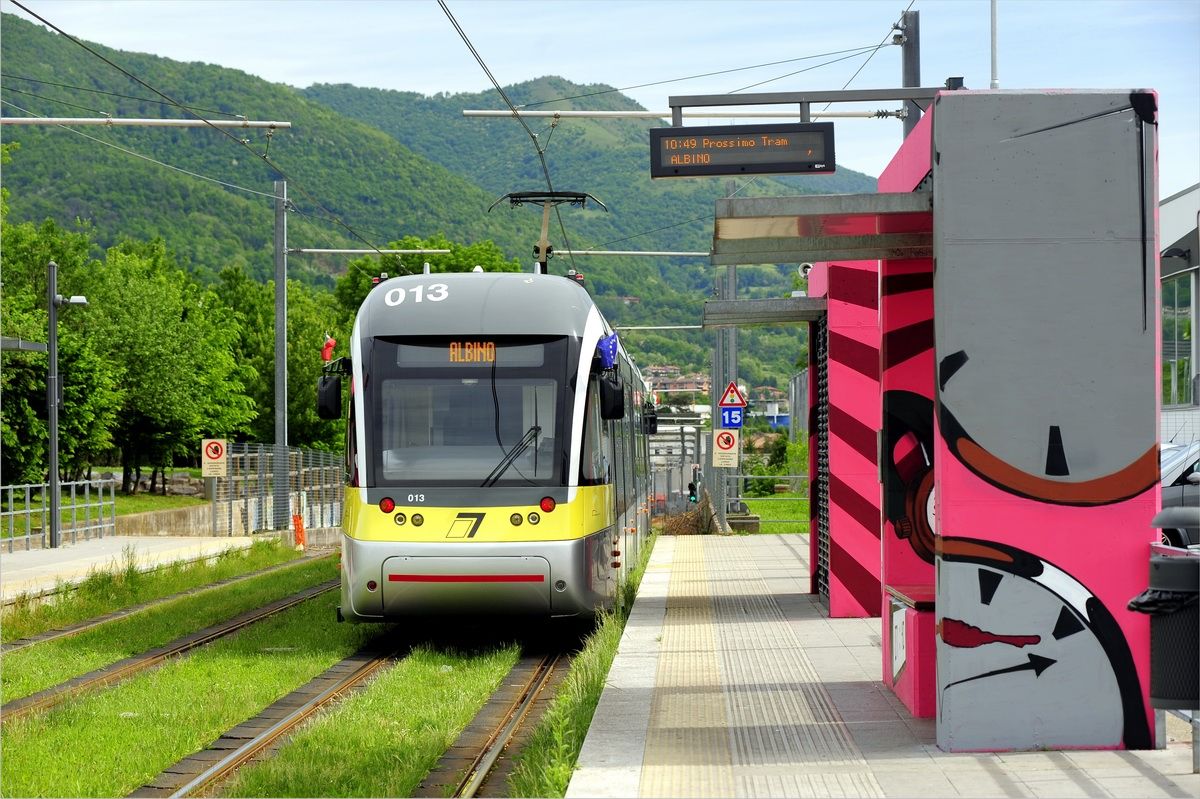
From reactive to predictive: Bergamo's tram maintenance is turning circular
When a tram network fails, the impact is immediate: delays ripple through commuters’ routines, maintenance teams scramble, and people lose trust in public transport. But what if the warning signs were visible before a breakdown happens and repairs could be planned without disruption? In Bergamo that shift is already underway. Through our CE4CE project, the city is moving from “fix it when it breaks” to predictive maintenance. They are applying circular economy thinking…
Project CE4CE
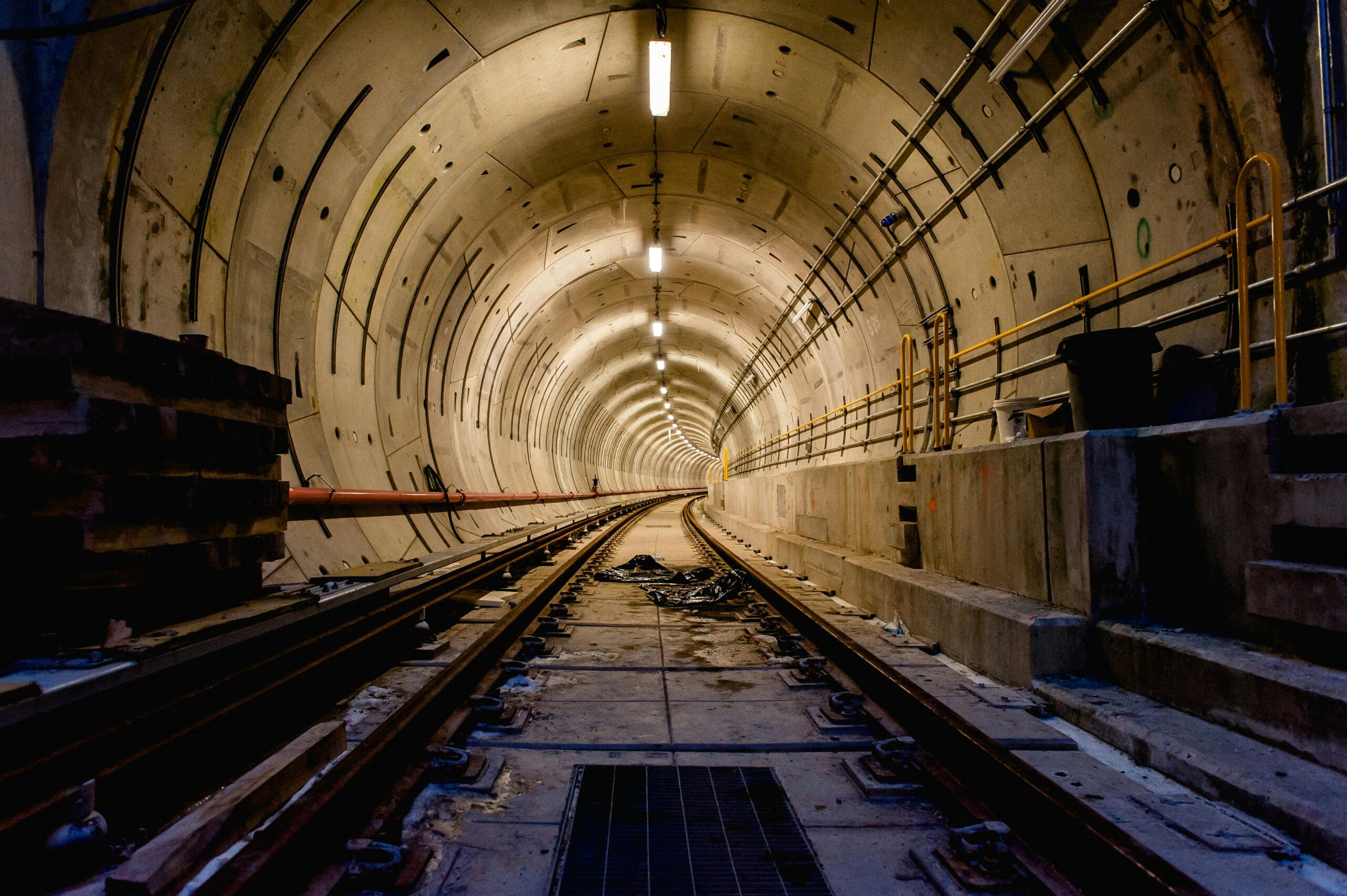
From plans to rails: how cooperation paved the way for the Koralm link
When we think of major transport projects, we usually picture the finished result: a new rail line, a tunnel breakthrough, a faster connection. But long before trains can run, years of coordination, evidence-building, and planning across borders must come first. One such story began along the Baltic–Adriatic transport axis, where our BATCo (Baltic–Adriatic Transport Cooperation) project brought together key stakeholders to align priorities and remove bottlenecks for a trans-European rail corridor…
Project BATCo
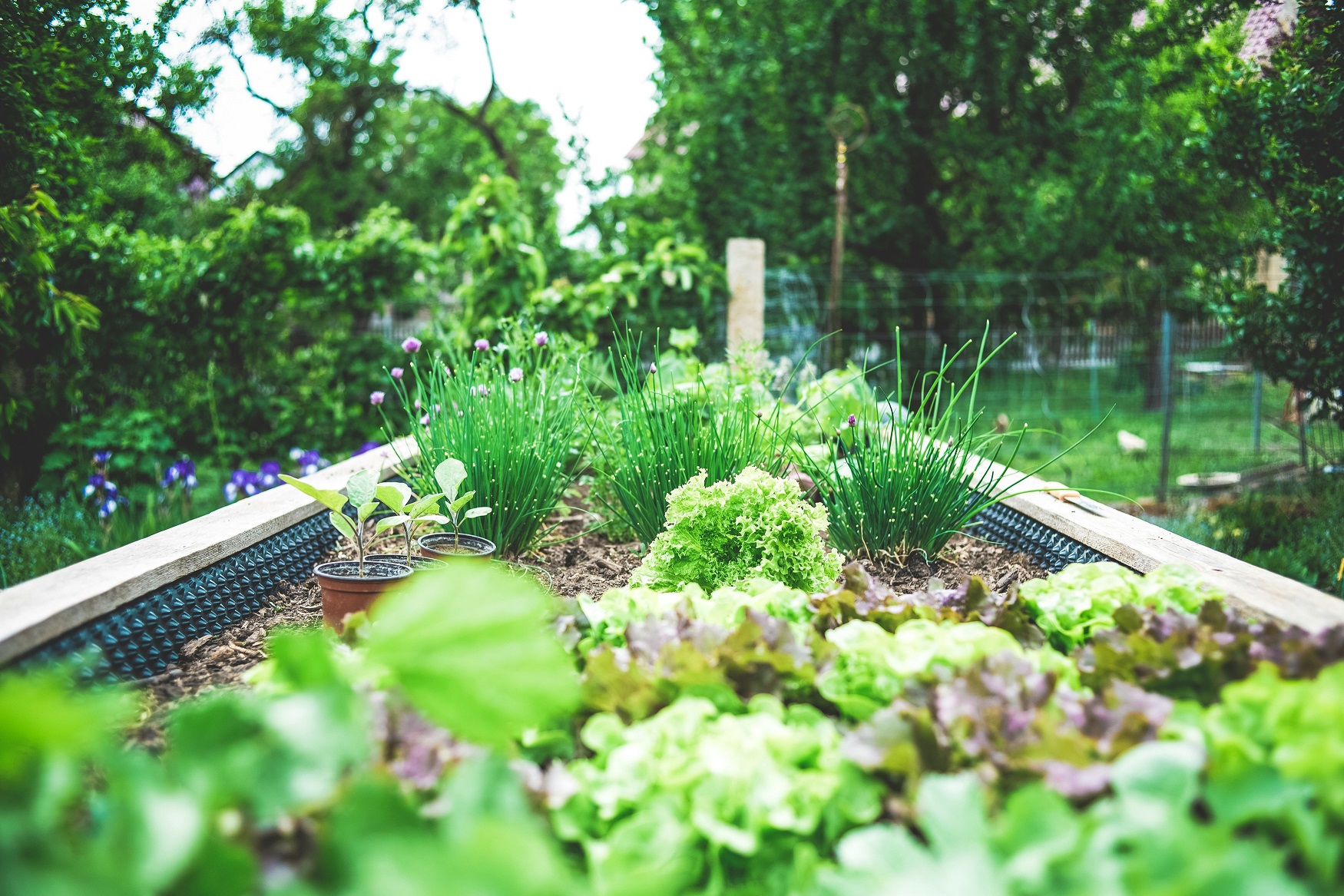
Urban farming that grows more than food: Kraków’s community garden
Not long ago, a piece of land on Kraków’s urban fringe was just another overlooked corner of the city. Today, it is a place where residents plant, compost, learn from one another and turn shared space into something productive and green. Across central Europe, many cities are facing a similar challenge: as urban areas expand, peri-urban land is under pressure, green areas are declining, and access to nature becomes more uneven…
Project CoFarm4Cities
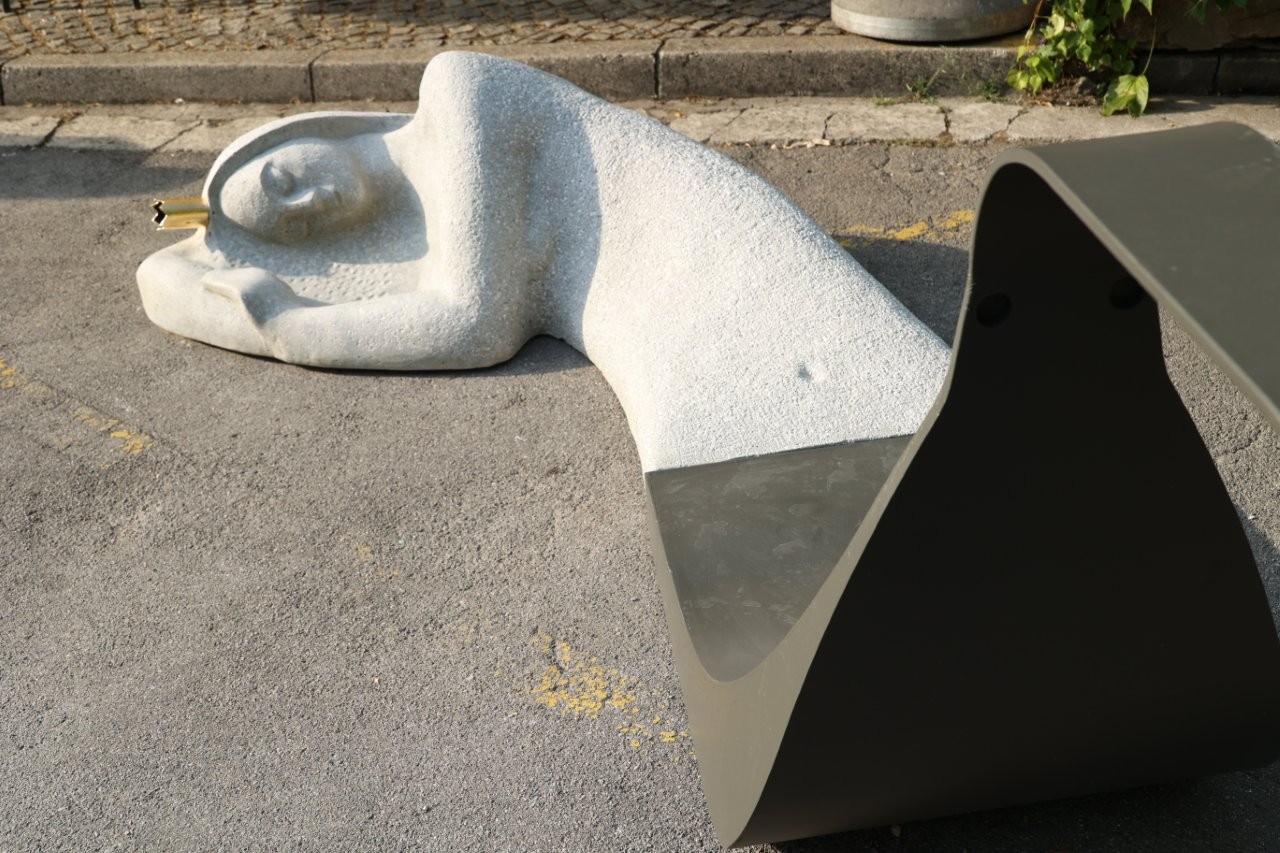
Urban living rooms, not car parks: Kamnik’s pop-up experiment
In many central European towns, public space is quietly reduced. Services move to the outskirts, traffic grows, and streets and squares are too often designed around cars, leaving less room for walking, cycling, meeting, and simply spending time outdoors. Without a shift in how public spaces are managed, cities risk becoming less livable and more disconnected from their residents. PopUpUrbanSpaces tackles this challenge with a simple idea: “Show & Tell”…
Project PopUpUrbanSpaces
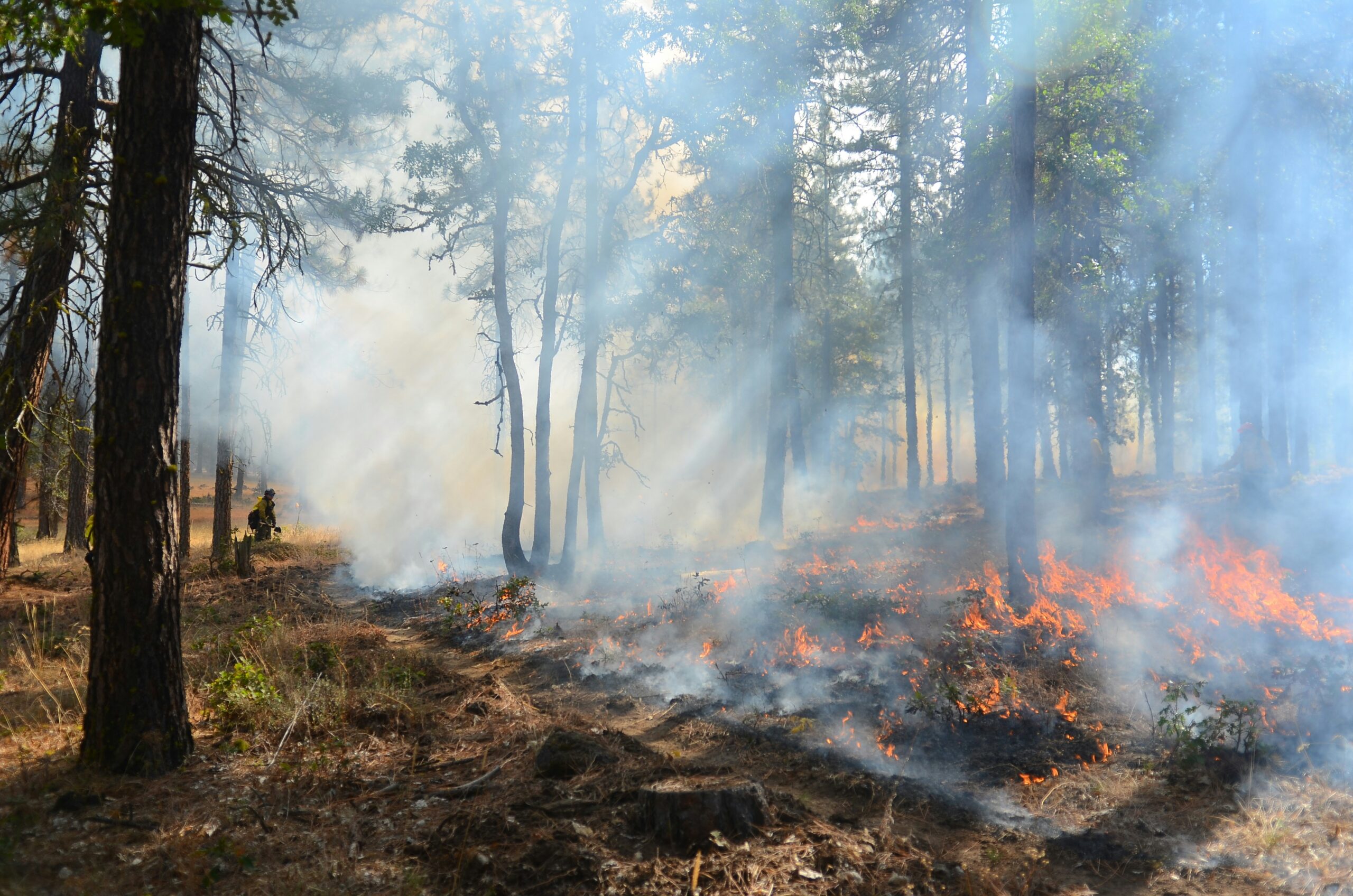
A crisis game to train real decisions: Lubuskie’s wildfire exercise
When extreme weather hits, there is no time to “figure it out later”. Local authorities and emergency services must coordinate fast, share reliable information, and make decisions under pressure. That is exactly the challenge the LOCALIENCE project is tackling across central Europe: improving local resilience to extreme weather by strengthening collaboration, not only among professionals, but also with local communities.
Project LOCALIENCE
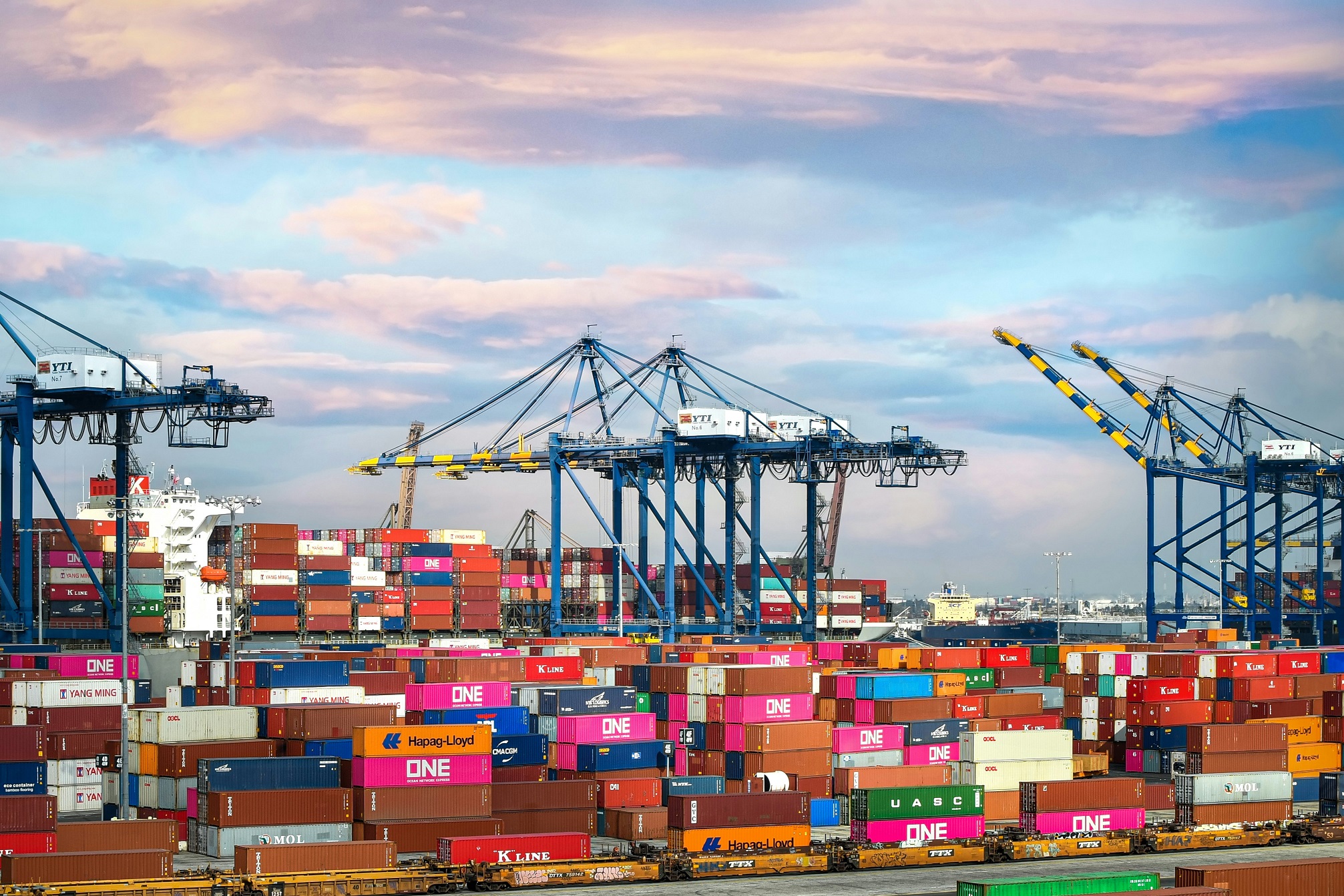
Introducing Smart Logistics Tools in the Port of Gdynia
For rural and peripheral regions across central Europe, efficient access to major transport networks remains a significant challenge. Businesses in these regions often face logistical bottlenecks that slow down the movement of goods, impacting economic growth and sustainability. But what if technology and cooperation could change this? Our ACCESSMILE project optimises last-mile accessibility by integrating cargo bundling with IT-based tracking tools. By leveraging smart logistics…
Project ACCESSMILE

No SME Left Behind: Testing Circular Solutions for the Electrical and Electronics Industry
Elpro Križnič is a family-owned electrical company founded in 1987 on the outskirts of Maribor, Slovenia. Like many small and medium enterprises (SMEs) in central Europe, it soon grew into a success story, steadily expanding its products and services. With this growth, however, came new challenges. Above all, how to transition to more sustainable and circular practices in an increasingly environmentally conscious world. This is where the CIRCOTRONIC project became a catalyst…
Project CIRCOTRONIC
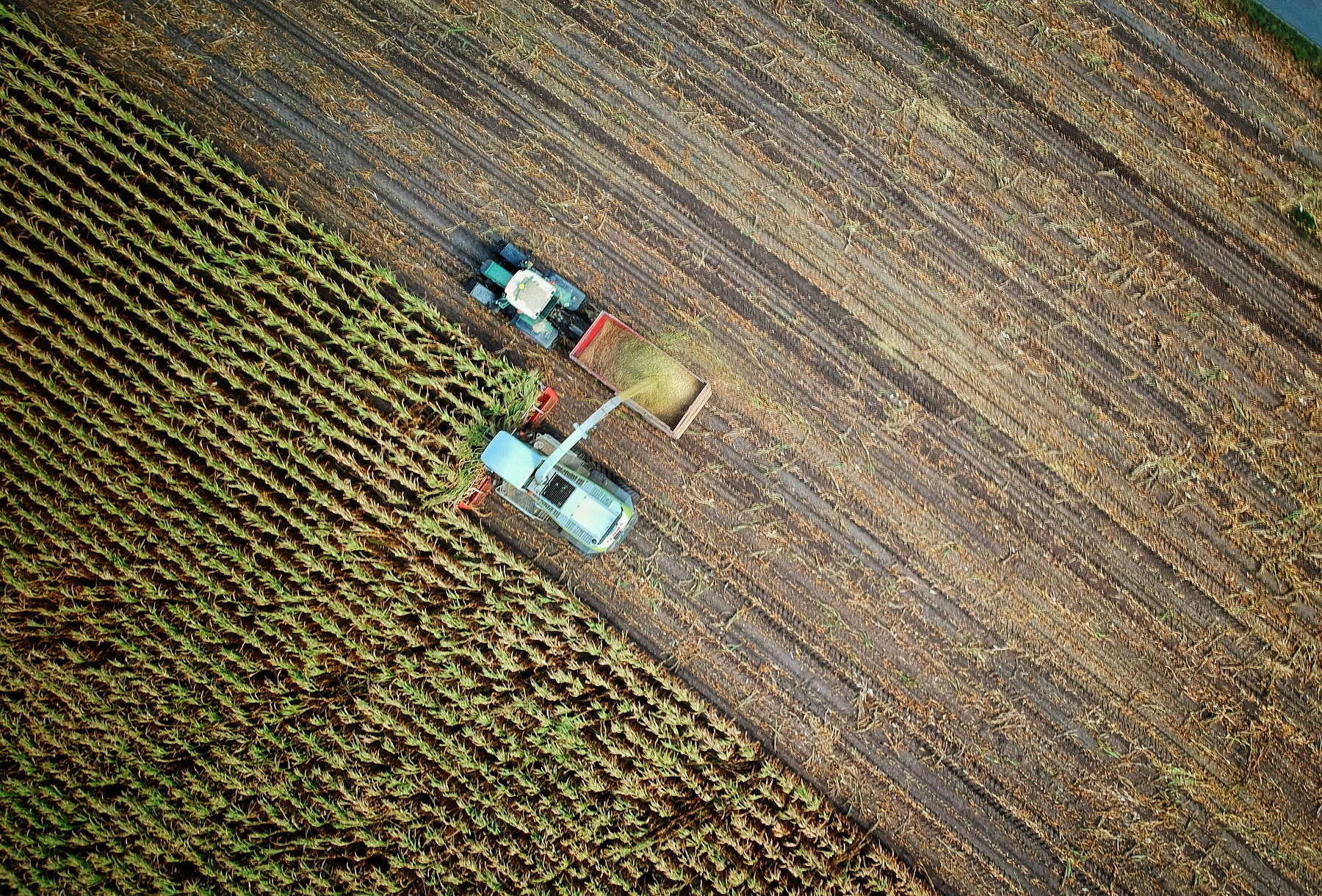
Encouraging Farmers to Capture Carbon Emissions in their Soil
We all have those images still in mind: Tractors taking the streets of European capital cities, blockades of European highways and farmers coming from all over the EU to protest in front of the European Parliament. All in protest of the bloc’s environmental policies, such as the Green Deal, which calls for limits on the use of chemicals and greenhouse gas emissions. But this is only one side of the coin. Threatened by climate change and the resulting vulnerability of their land, agricultural stakeholders in rural…
Project Carbon Farming CE