
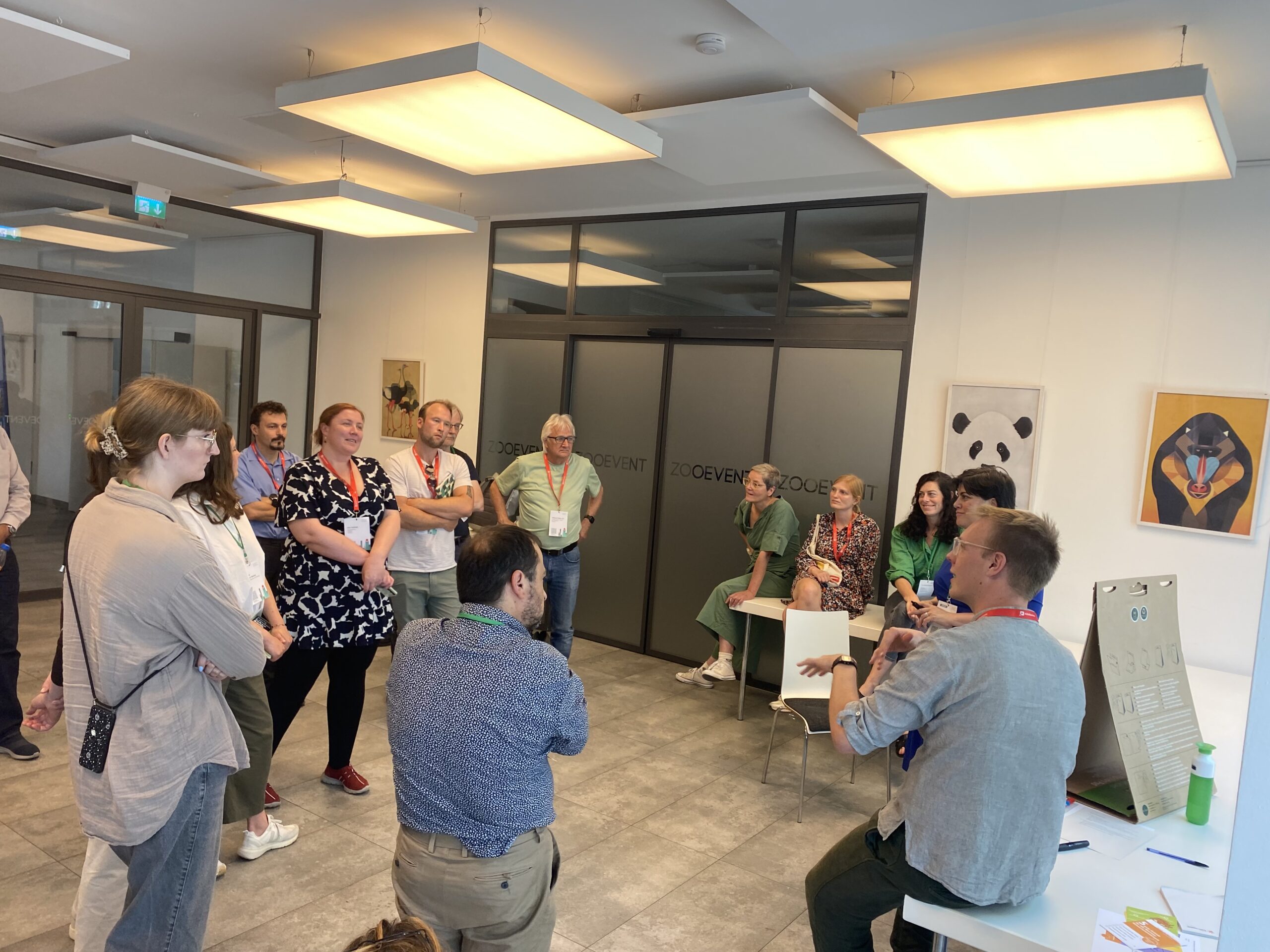
In 2025, the Ready4Heat project demonstrated how European cities turned heat adaptation plans into real-world action at two major events: the European Climate Change Adaptation Conference (ECCA) in Rimini and the Climate Alliance International Conference in Cologne.
At ECCA 2025, a session led by the City of Worms brought together municipalities, researchers, and civil society to share practical experience. A key result was a simple, usable framework that helped cities assess their heat strategies:
-
Who is targeted: institutions (e.g. care homes) or directly affected people.
-
How measures are implemented: top-down or community-based.
This tool made it easier for cities to spot gaps and improve their approaches. Ready4Heat cities presented concrete, tested solutions:
-
Murska Sobota turned kindergartens into local hubs for heat awareness and community action.
-
Worms integrated heat protection into existing care systems, reaching elderly and at-risk groups through trusted institutions.
These examples showed that effective heat adaptation works when it is local, practical, and people-focused.
Tools cities can actually use
At the Cologne conference, the project shifted from strategy to hands-on solutions. Highlights included:
-
HEAL tool (Worms): identified cooler walking routes and visualized shade throughout the day.
-
Dual-use public spaces: parks and open areas designed for both cooling and flood control.
-
Sponge city approaches: integrated planning to manage heat, water, and urban development together.
Interactive workshop formats allowed city representatives to exchange ideas directly and test solutions. The project delivered visible results with 2 major European conferences reached with practical outputs, multiple cities equipped with ready-to-use tools and planning methods and contributed to stronger cooperation between municipalities, researchers, and practitioners.
Results ready for reuse
By the end of the project phase, Ready4Heat had produced clear, transferable outputs:
-
Simple frameworks for designing and assessing heat strategies.
-
Tested tools like HEAL for immediate application.
-
Real city examples that can be replicated across Europe.
All materials were streamlined and prepared for continued use, ensuring that cities can build on the results as heatwaves become more frequent.