


Project overview
Multi-dimensional and cross-territorial governance model for activation of the World War I heritage to foster sustainable socio-economic development of remote territories of Central Europe
Central Europe has a vast cultural heritage related to World War I with significant potential to accelerate socio-economic development in rural areas. However, the joint management of this heritage remains challenging as it is dispersed across various countries and lacks a cohesive strategy for preservation and utilisation. The GOV4PeaCE project establishes a joint vision for managing the war-related cultural heritage across borders and sectors. The project tests innovative approaches to museum concepts, cross-border heritage routes, and intersectoral cooperation to make better use of the past heritage for future development.
-
1,70m €
-
Project Budget
-
80%
-
of the Budget is funded by ERDF
-
6
-
Countries
-
9
-
Regions
-
11
-
Partners
-
3
-
Pilots
Duration
Start date
End date
Project progress
About the project
GOV4PeaCE brought together partners from Central Europe to improve the management and use of shared World War I heritage. The project developed a common strategy, practical governance solutions and three pilot actions in Italy–Slovenia, Poland–Slovakia and Hungary. Its results show how cooperation between local authorities, museums, heritage organisations and other stakeholders can connect heritage sites across borders and create new opportunities for education, cultural tourism and sustainable local development. The project provides practical approaches that other territories can adapt to develop their own cross-border heritage initiatives.
Project partnership
Project partners

Lead partner
Soča Valley Development Centre
Project partner
Zgodovinski inštitut MIlka Kosa / Historical Institute Milko Kos
Divisione Turismo
Roadmap
Why does WWI heritage matter?

World War I left a rich and widely dispersed heritage across Central Europe. Former frontlines connect places, communities and landscapes across present-day national borders. Beyond its historical significance, this shared heritage offers opportunities for education, cultural tourism, community engagement and sustainable local development. Making use of this potential requires cooperation that goes beyond individual sites, institutions and administrative boundaries.
The challenge

WWI heritage is often managed separately by museums, local authorities, heritage organisations and tourism institutions. Different responsibilities, limited resources and a lack of coordination make it difficult to connect individual sites and initiatives into a coherent offer. These challenges are particularly important in peripheral and border areas, where heritage could support local identity and socio-economic development but its potential remains underused.
Our approach

How can territories with different levels of experience and institutional capacity work together to manage and develop their WWI heritage?
GOV4PeaCE addressed this challenge through a common, multi-dimensional and cross-territorial governance approach. Partners combined strategic cooperation with practical pilot actions in three different contexts: the established Italy–Slovenia cooperation, the developing Poland–Slovakia territory and the initial-stage Hungarian territory.
Rather than promoting one universal model, the project demonstrated how governance approaches and cooperation mechanisms can be adapted to local conditions, institutional capacities and different stages of cooperation development.
What we delivered

GOV4PeaCE developed a common strategy for WWI heritage governance, three complementary governance solutions and a transnational action plan for the Central Europe Walk of Peace (CEWoP).
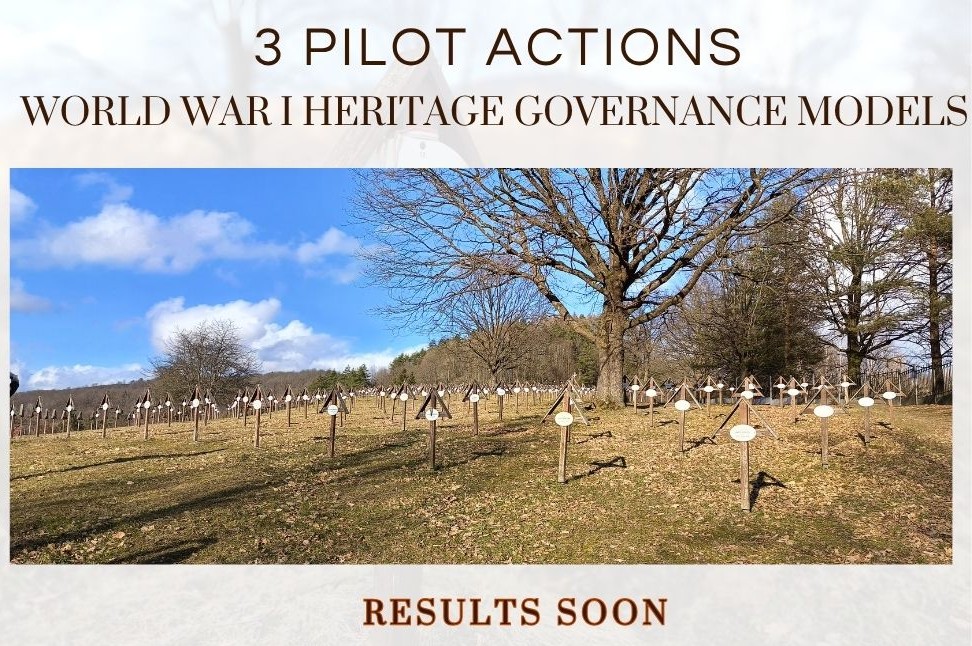
Through three pilot actions, partners tested and demonstrated different approaches to cross-border heritage cooperation: strengthening the established Walk of Peace initiative in Italy and Slovenia, developing the Carpathia Memory concept in Poland and Slovakia, and preparing a concept for a WWI heritage exhibition and development hub in Mórahalom, Hungary.
Together, these results demonstrate how different territories can connect heritage resources, institutions and stakeholders through governance and cross-border cooperation.
Lasting impact

GOV4PeaCE provides practical guidance for public authorities, museums, heritage organisations, tourism institutions and other stakeholders seeking to strengthen cooperation around WWI heritage.
Its strategy, governance solutions and action plan offer approaches that can be adapted to different territorial contexts, while the pilot experiences show how cooperation can be developed from initial coordination to more integrated governance.
By connecting heritage sites, institutions and communities across borders, the project has established a basis for continued cooperation and for using shared WWI heritage as a resource for education, cultural tourism and sustainable territorial development beyond the project lifetime.
News


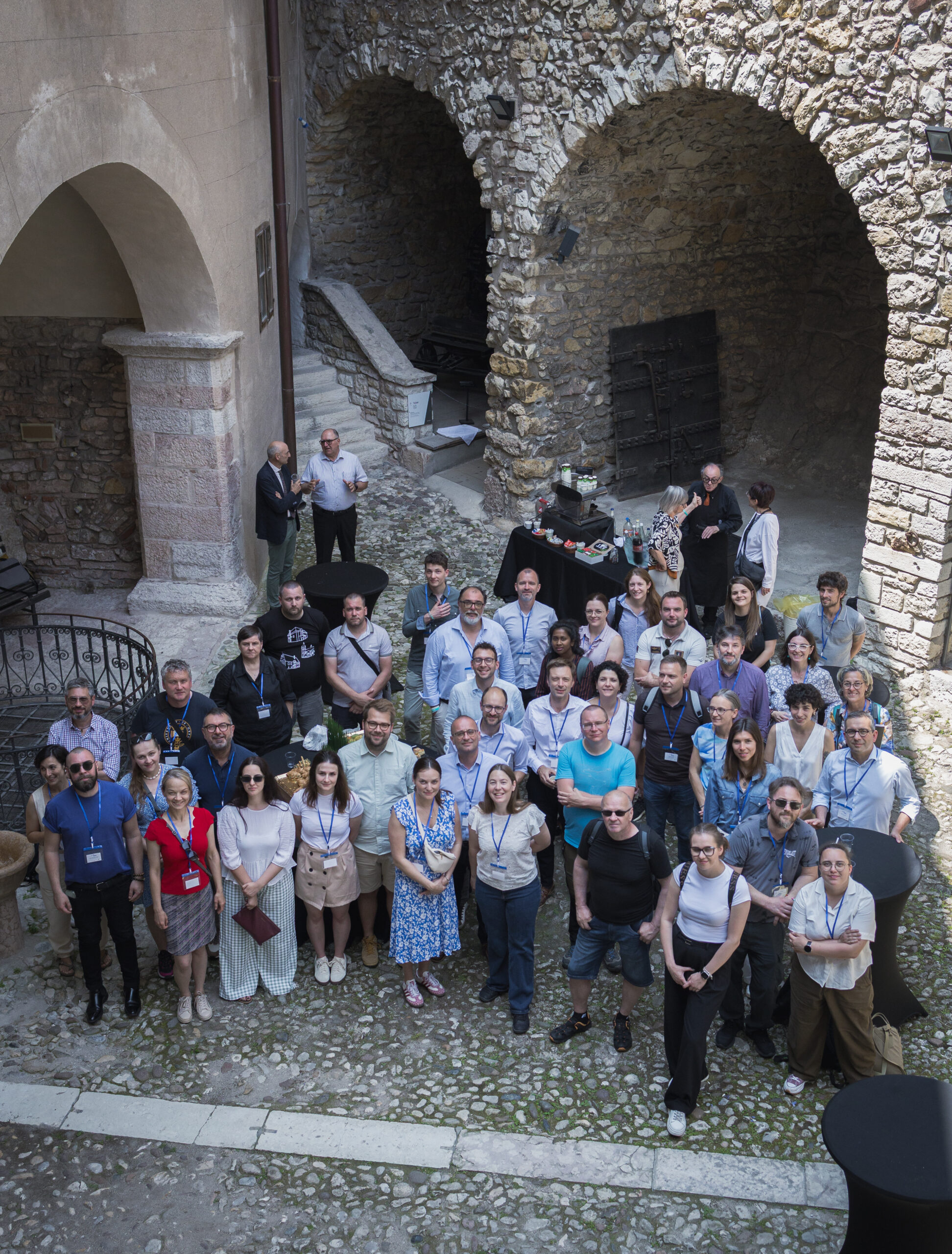


Events

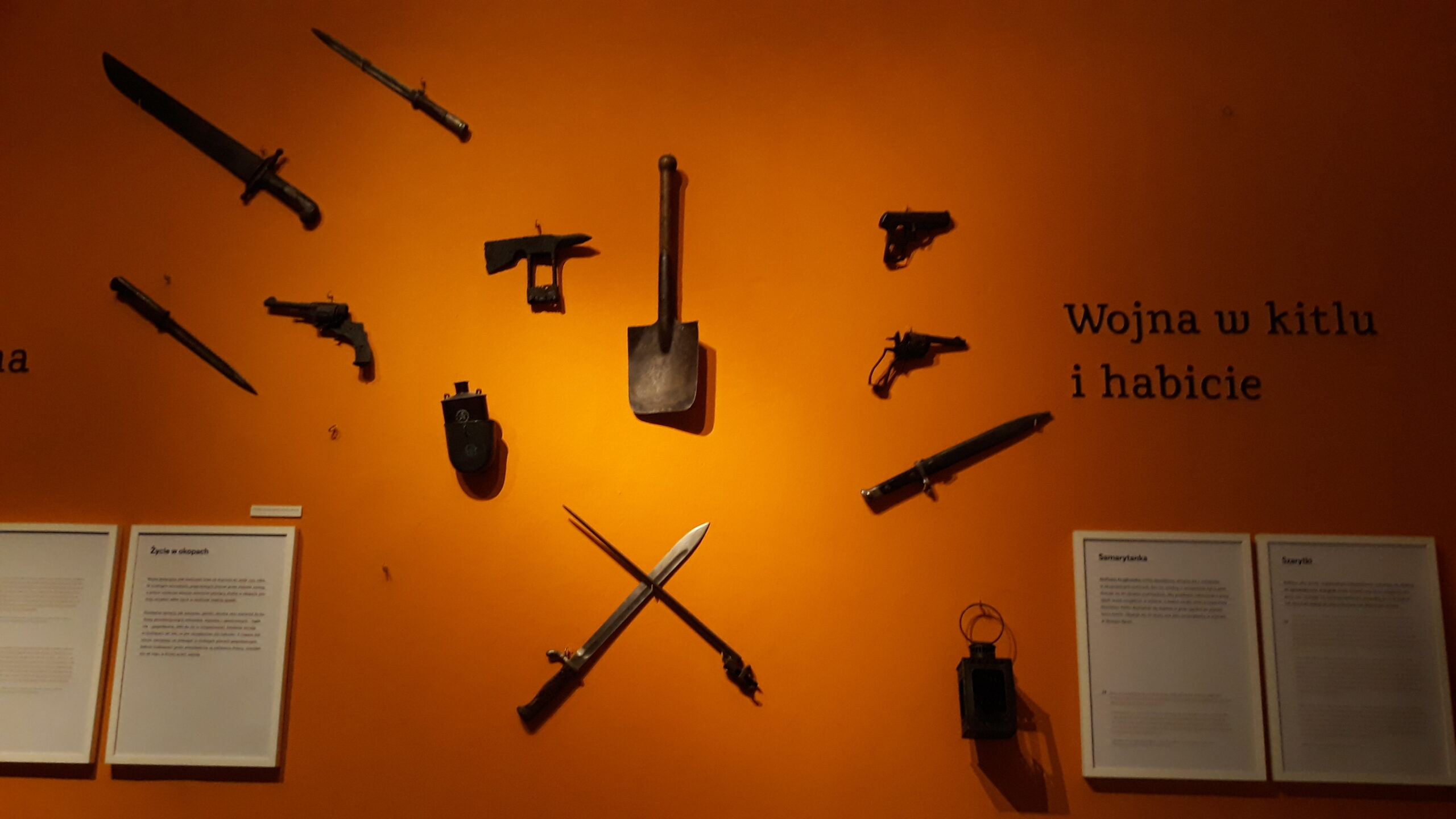
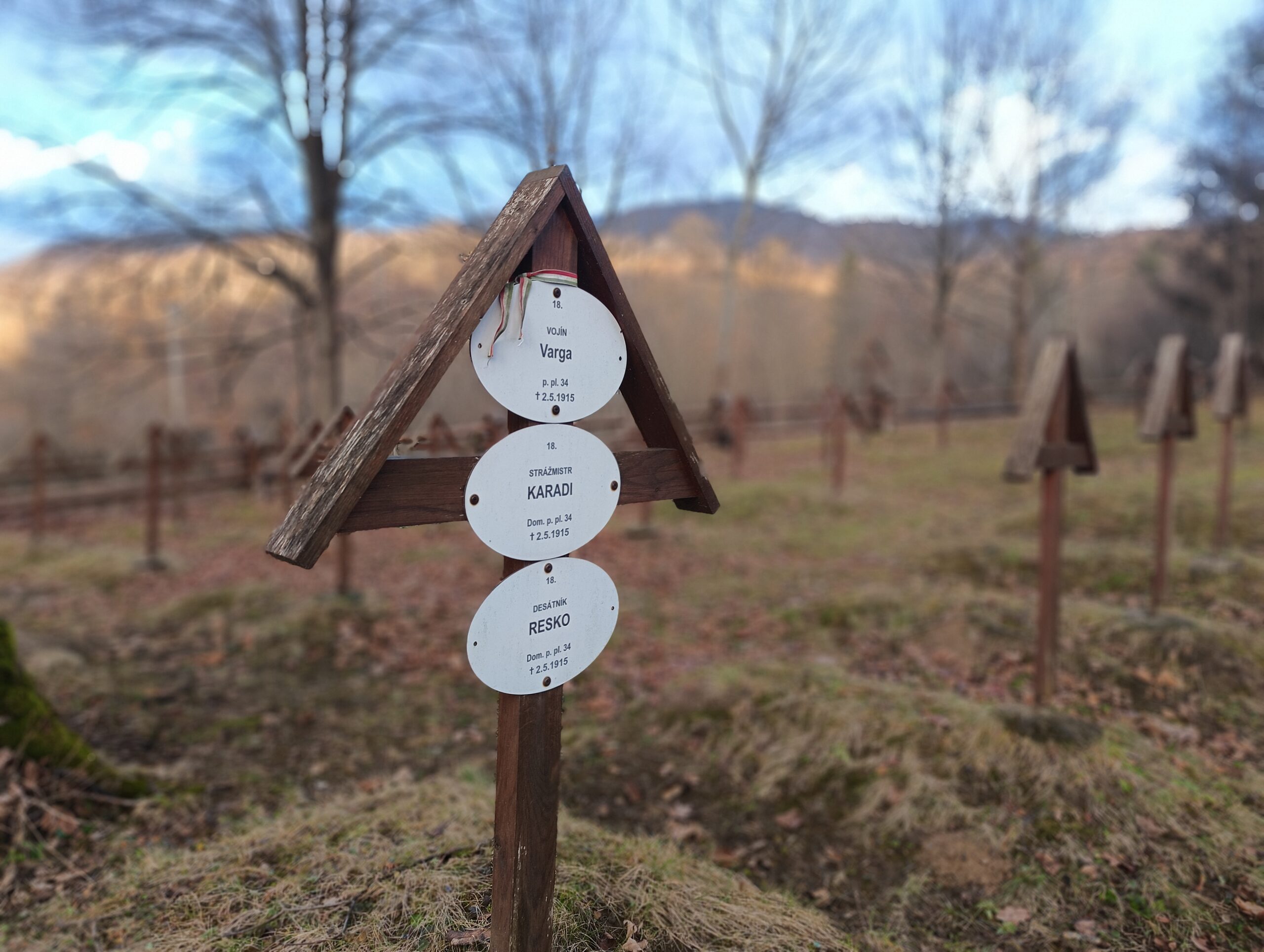
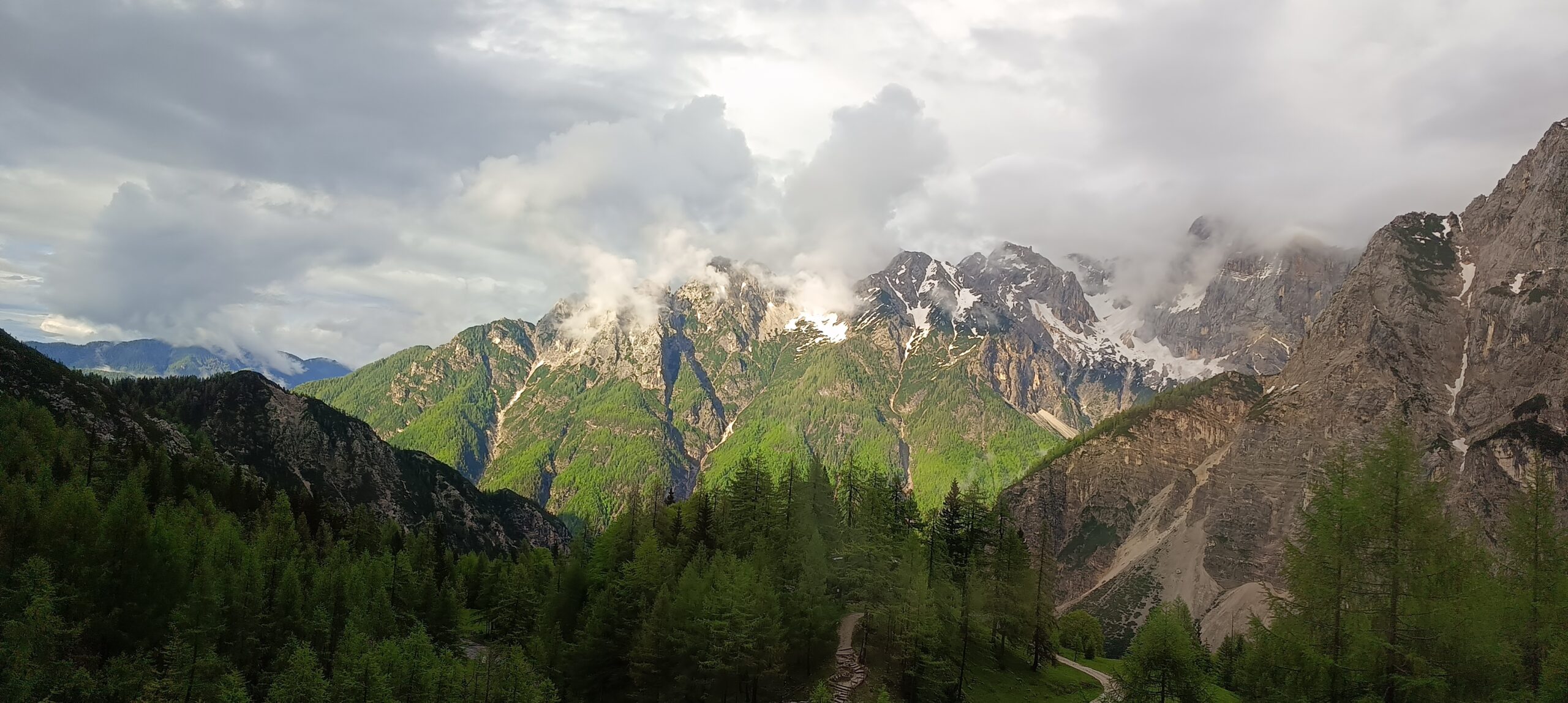
Pilot actions
Outputs
Strategy for introduction of an innovative multi-dimensional governance model for WWI heritage socio-economic activation
WWI heritage governance solutions for activating its socio-economic potential in functional territories at different levels of maturity
Action plan for transnational CEWoP governance of WWI heritage socio-economic activation
GOV4PeaCE digital governance support platform
Project videos
GOV4PeaCE
Priority 4: Improving governance for cooperation in central Europe
SO 4.1: Strengthening governance for integrated territorial development in central Europe
The project lead partner is solely responsible for all content published on this project website, including, where applicable, content created with the support of AI tools and the appropriate labelling of such content. The views expressed do not necessarily reflect those of the Interreg CENTRAL EUROPE Programme, its programme bodies or the European Union.