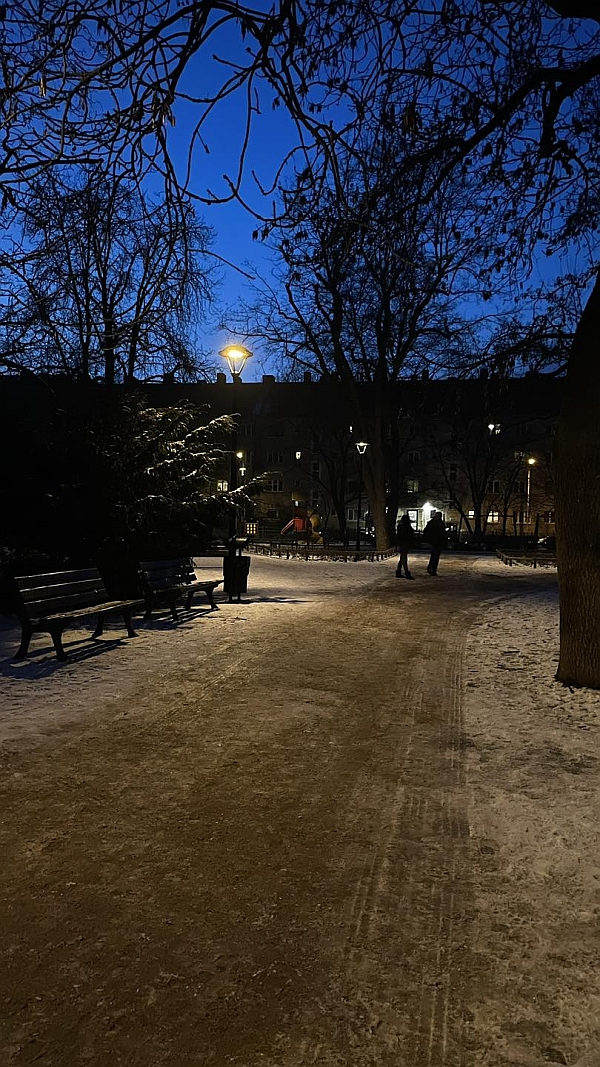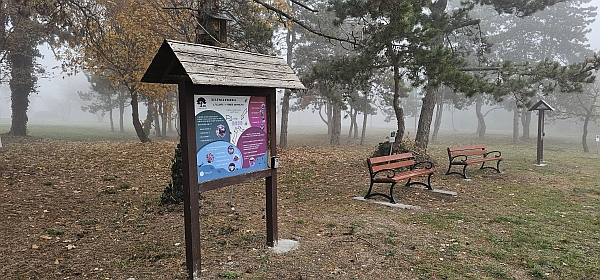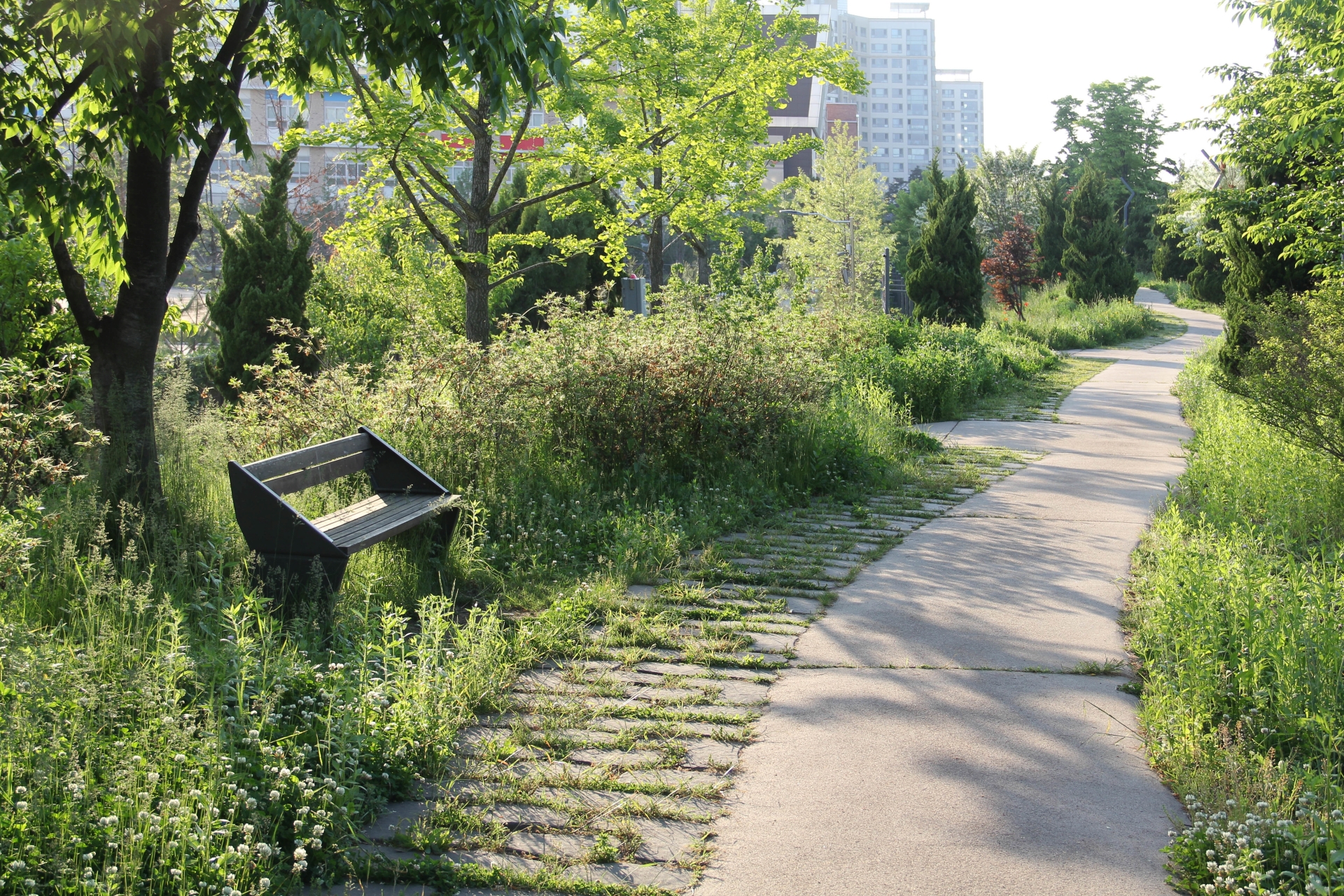
a bench in a city park

URBIO BAUHAUS

Project overview

NEW EUROPEAN BAUHAUS FOR INCREASING URBAN BIODIVERSITY

The loss of biodiversity due to climate change is enormous, also in urban areas. To counter this negative development, the URBIO BAUHAUS project protects and boosts urban biodiversity by combining aesthetic design, citizen participation, and science. With this holistic approach, the project innovatively integrates “New European Bauhaus” principles to develop urban biodiversity solutions. The partners create and test biodiverse islands to preserve keystone species together with affected citizens and deliver a transnational policy master plan for further fostering long-term collaborations between science, policy makers, and locals.

2,04m €

Project Budget

80%

of the Budget is funded by ERDF

Layer 1

6

Countries

8

Regions

10

Partners

5

Pilots

Duration

Start date

End date

Project progress

58%

Project partnership

Project partners

Polska (PL)

Lead partner

Wrocław University of Environmental and Life Sciences

Faculty of Spatial Management and Landscape Architecture, Department of Landscape Architecture, Division of Engineering and Landscape Protection
Address
Grunwaldzka St. 55
50-357 Wrocław
Country
Poland (PL)
Web
https://upwr.edu.pl/en

Project partner

Address
Slovenski trg 1
4000 Kranj
Country
Slovenia (SI)
Web
www.kranj.si
Total partner budget
222,980 €
Address
Koritno 97
4260 Bled
Country
Slovenia (SI)
Web
www.isd.si
Total partner budget
199,020 €
Address
Forum 1
52100 Pula-Pola
Country
Croatia (HR)
Web
www.pula.hr
Total partner budget
213,950 €
Address
Tkalčićeva 73A
10000 Zagreb
Country
Croatia (HR)
Web
https://www.fininfo.hr/Poduzece/Pregled/por-consult/Detaljno/737367
Total partner budget
198,240 €
Address
Németvölgyi út 84
1124 Budapest
Country
Hungary (HU)
Web
https://www.burstgroup.eu/
Total partner budget
169,580 €
Address
Via G. Colombo 40
20133 Milano
Country
Italy (IT)
Web
https:/www.poliedra.polimi.it
Total partner budget
227,300 €
Wismar Business School | European Project Center
Address
Philipp-Müller-Str. 14
23966 Wismar
Country
Germany (DE)
Web
www.hs-wismar.de
Total partner budget
162,250 €
Sustainable Development Department, Funds Management Division
Address
Sukiennice 10
50-107 Wrocław
Country
Poland (PL)
Web
www.wroclaw.pl
Total partner budget
133,470 €
Address
Alsó utca 1-3
2030 Érd
Country
Hungary (HU)
Web
www.erd.hu
Total partner budget
166,510 €

Roadmap

1

Challenge

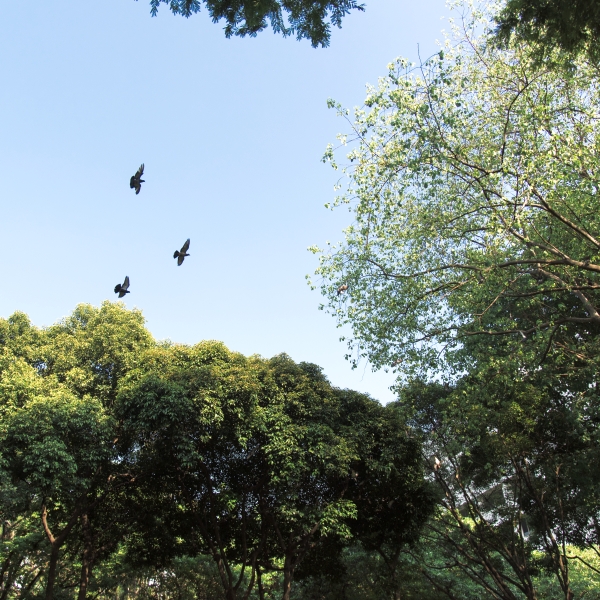
Birds flying in the blue sky

Addressing global challenges requires action to halt biodiversity loss, also within urban areas. However, understanding and acceptance of biodiversity as a key element of urban development remain limited.

2

Specific Problem

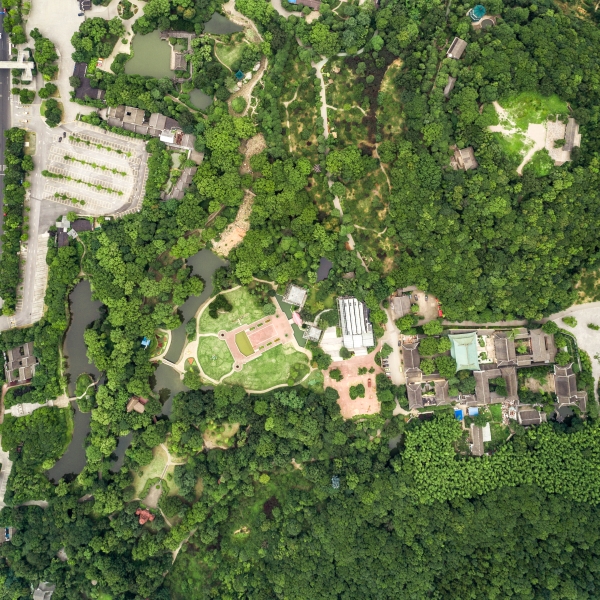
Park

In Central Europe, biodiversity in cities is under increasing pressure due to rapid urbanisation and the impacts of climate change. The adaptive capacity of urban ecosystems is often insufficient, limiting their ability to provide essential ecosystem services that support both quality of life and urban resilience. At the same time, awareness and acceptance among citizens of biodiversity-oriented measures remain relatively low.

3

Our Idea

The initiative seeks to strengthen biodiversity in Central European cities by combining scientific knowledge, urban design, and public participation in line with the principles of the New European Bauhaus. It demonstrates that urban spaces can be both functional and attractive while supporting ecological values, with residents actively involved in shaping these transformations.

4

Our Solution

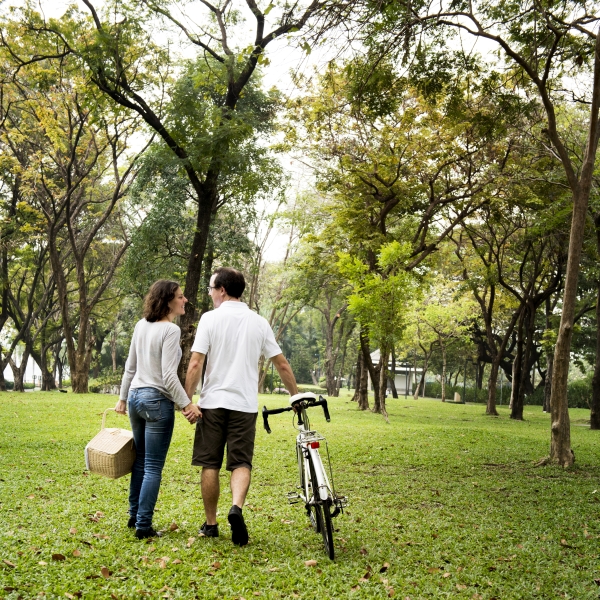
Couple walking and holding hands in the park

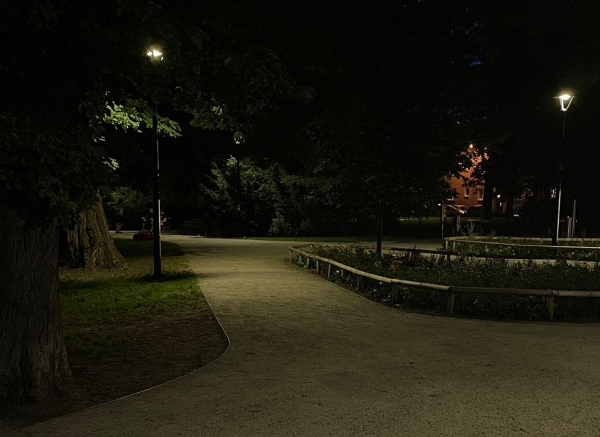
The project introduces a participatory approach through the establishment of the BIOCENTUM nodes and living labs. Pilot interventions include biodiversity islands, measures for the protection of key species, and adaptive lighting solutions for urban green areas. The results and experiences are consolidated in a transformation roadmap and policy framework to support wider implementation and replication in other cities of the region.

News
Pilot actions

Outputs

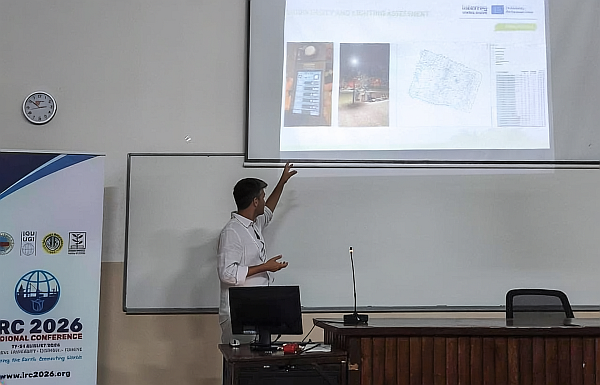
Testing of the New European Bauhaus initiative using BIOCENTUM nodes
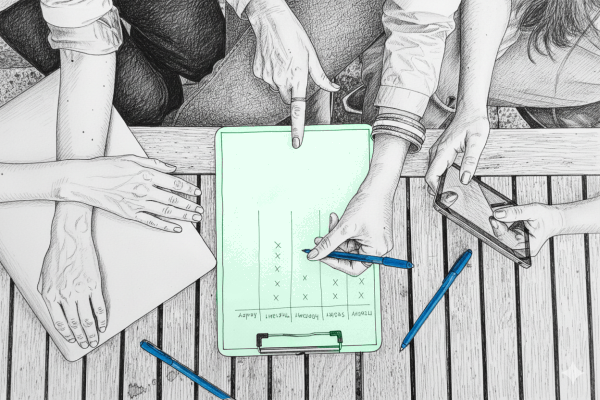
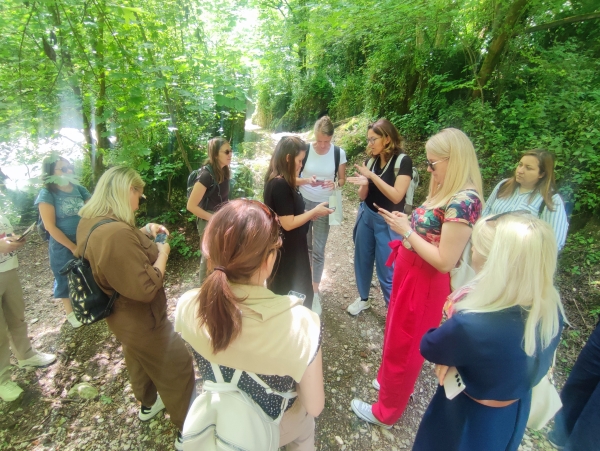
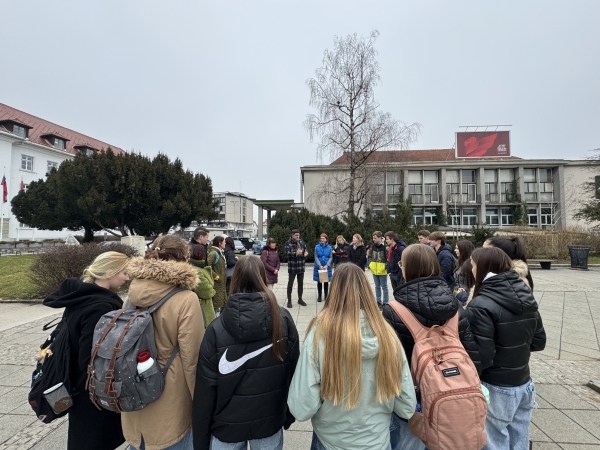
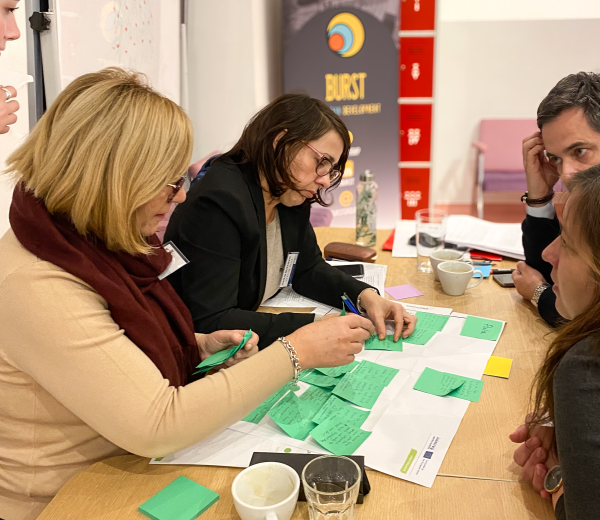
Participatory testing will enable citizens to be actively involved in the NEB process for improving urban biodiversity. Pilot testing will include the operation of BIOCENTUM nodes and the bottom-up selection of innovative ideas. Young talents will be particularly encouraged to propose their visions and biodiversity solutions.
Type of output: Solutions
In development

Guide on Creation of Local BIOCENTUM Nodes
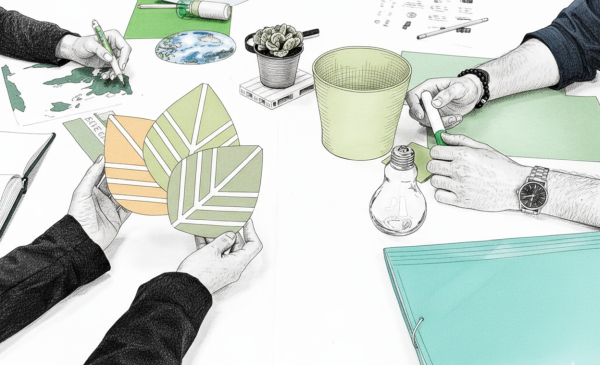
This guide provides a methodology for establishing and operating local BIOCENTUM nodes (Biodiversity-Centred Urban Mindset). Based on the Living Lab approach and the values of the New European Bauhaus, these nodes serve as participatory platforms where municipalities, experts, NGOs, businesses, and citizens jointly identify local biodiversity challenges and co-create solutions. The guide also offers a framework for awareness-raising, capacity-building, and testing of nature-based interventions, supporting cities in integrating biodiversity into urban planning and decision-making processes.
Type of output: Solutions

Procedures for Creating a Biodiversity-Centred Urban Mindset
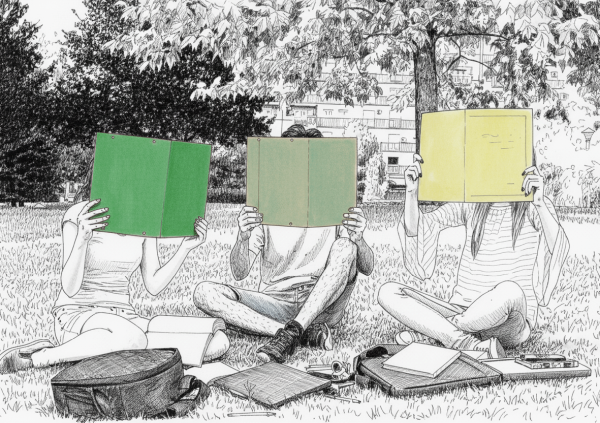
These procedures will guide cities in shifting citizens’ perceptions from ambivalence to active support for urban biodiversity. A step-by-step approach will show how to use participatory, green, and aesthetic solutions for biodiversity improvement. The procedures will also integrate the “aesthetic” dimension with biodiversity goals.
Type of output: Solutions
In development

Testing report from URBIO BAUHAUS interventions
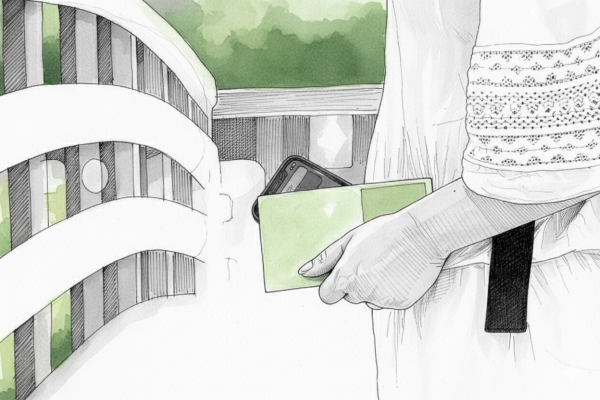
Once the pilots are completed, mutual peer-review will be carried out in pairs between the project partners (Pula–Kranj, Wrocław–Érd), using the NEB+ Compass. The testing reports will capture both good and bad practices, helping to refine biodiversity projects and strengthen their acceptance in an international context. Pilot actions will be evaluated using the New European Bauhaus+ Compass. The NEB+ Compass is a transnational evaluation tool designed to align pilot interventions with the three New European Bauhaus values – sustainability, aesthetics, and inclusiveness – while adding a strong focus on biodiversity. It sets out criteria and indicators for assessing how urban projects contribute to ecological regeneration, community engagement, and cross-sectoral collaboration. The Compass also enables partner cities to peer-review their interventions, monitor progress, and ensure that implemented solutions enhance both biodiversity and social well-being.
Type of output: Solutions

NEB-based Urban Biodiverse Transition Roadmap
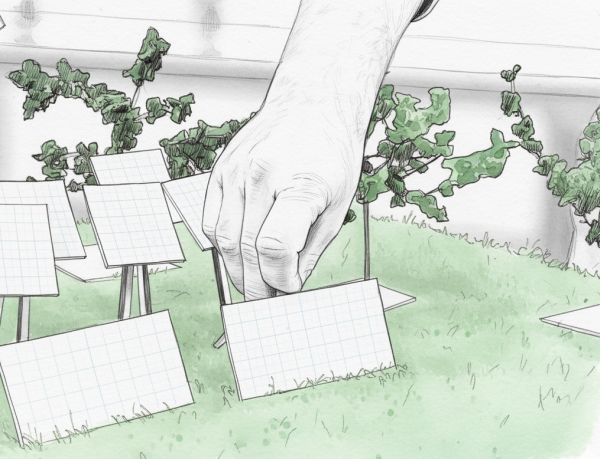
Drawing on the experiences of pilot implementation and testing, four NEB-based Urban Biodiverse Transition Roadmaps will be developed. These will serve as an important tool for other cities wishing to implement solutions that combine biodiversity with the New European Bauhaus concept. This approach will ensure wide dissemination and opportunities for “learning from others.”
Type of output: Solutions
In development

Local Implementation Plans

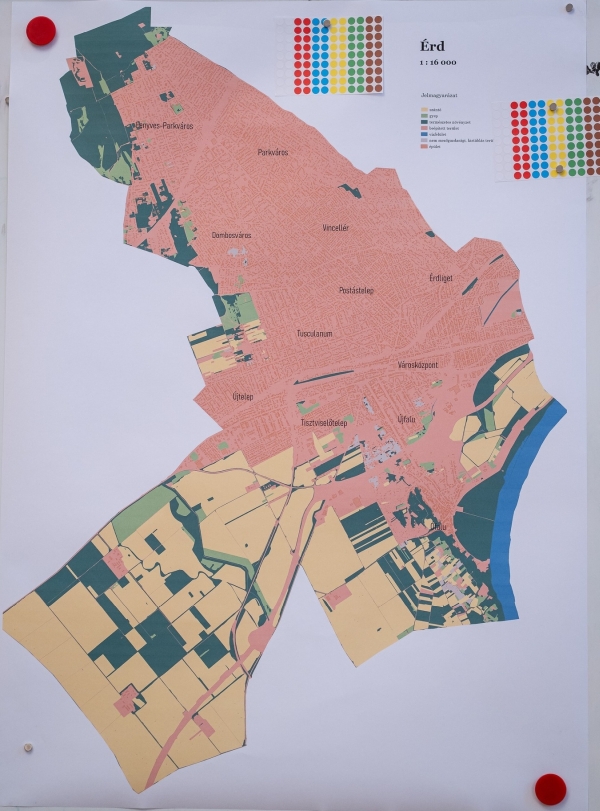
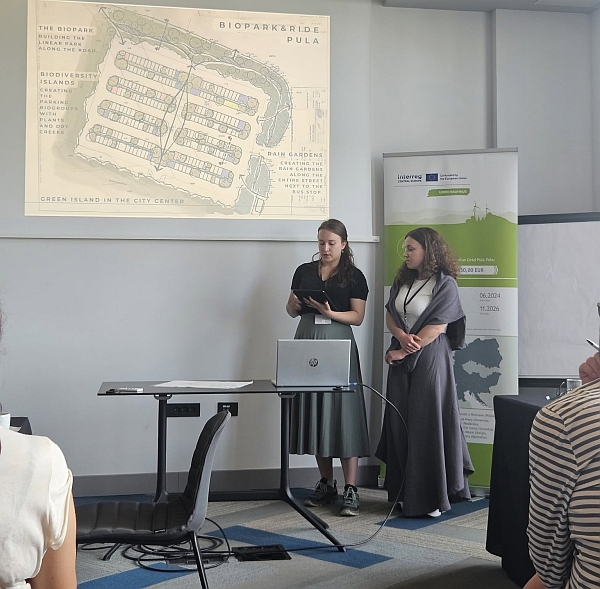
Four Local Implementation Plans were developed for Kranj (Slovenia), Érd (Hungary), Wrocław (Poland), and Pula (Croatia). Each plan outlines pilot interventions addressing specific biodiversity challenges, such as creating biodiverse islands for endangered species, supporting keystone species through micro-interventions, preserving natural wildlife patterns, and introducing edible plants into urban spaces. The plans combine local climate adaptation strategies, participatory approaches, and spatial planning measures, demonstrating how biodiversity-oriented design can be embedded into municipal policies and community practices.
Type of output: Solutions

Policy Master Plan for NEB-based Urban Biodiverse Transition

A strategy will be prepared to provide cities with direction in promoting new forms of urban green transition across different sectors, with the aim of delivering tangible, real-life investment examples.
Type of output: Strategies and action plans
In development

Action Plans

Action Plans (Wrocław, Kranj, Pula, Érd) will define realistic, result-oriented objectives and short-, medium- and long-term targets for the biodiverse transition. They will propose specific measures, identify key stakeholders and financial resources, and suggest necessary adjustments.
Type of output: Strategies and action plans
In development

Project videos

URBIO BAUHAUS

The project lead partner is responsible for the content of this project website.

Project on social media

Project Contacts

Project Manager

Katarzyna Tokarczyk-Dorociak

Finance Manager

Anna Borkowska - Szwarc

Communication Manager

Agnieszka Jakóbiak