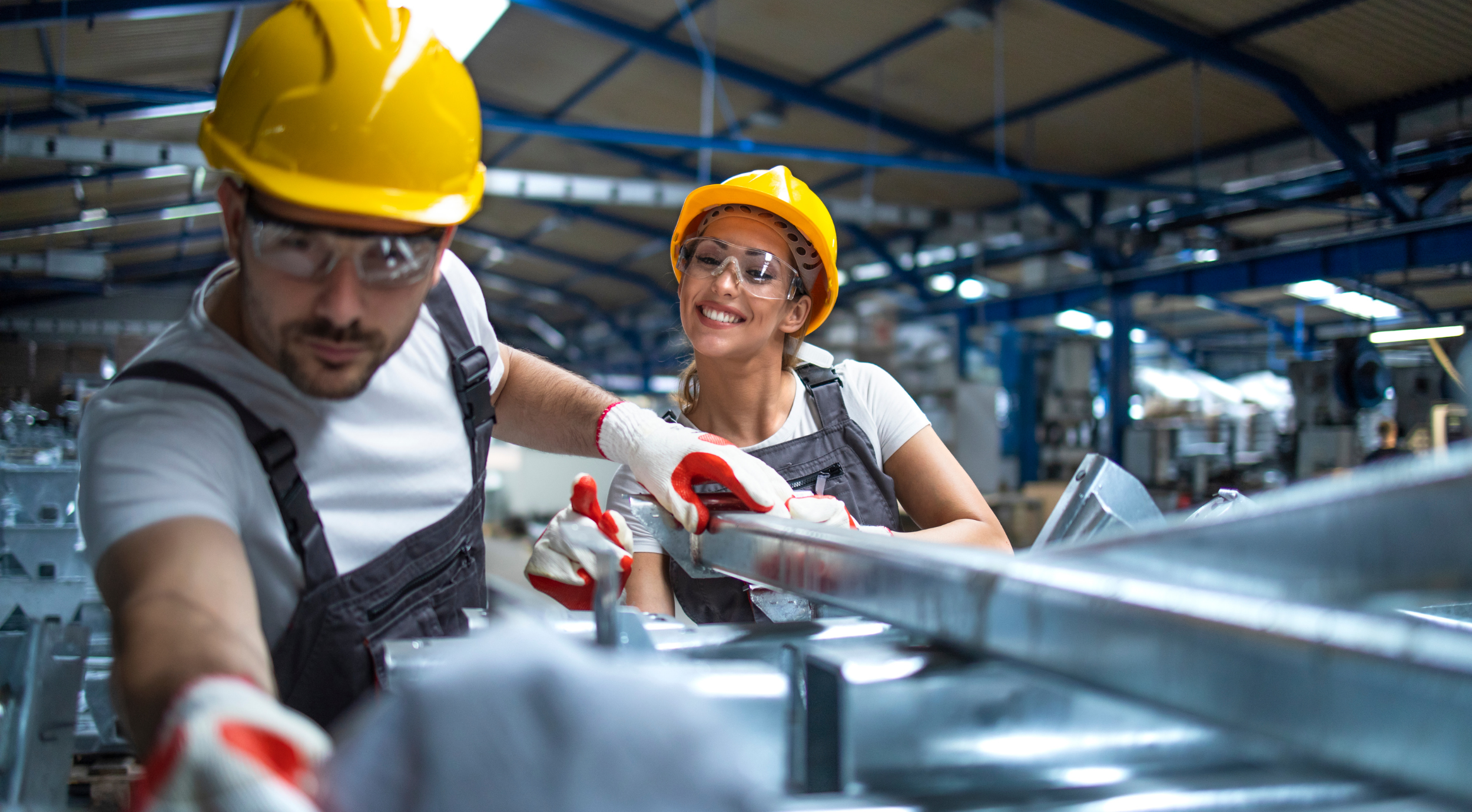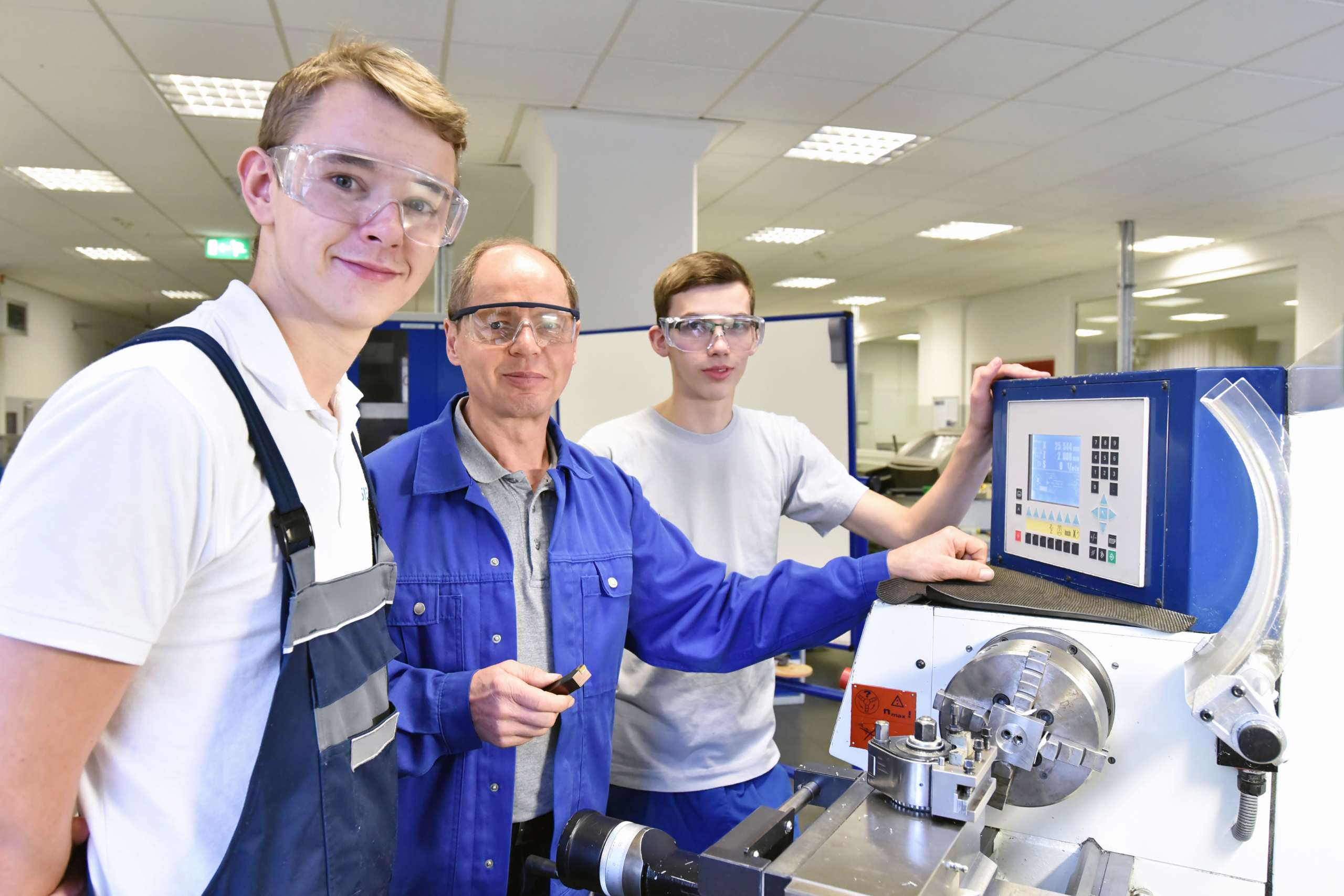
Worker at the factory
Pexels Mikhail Nilov

INNOSKILLS-CE

Project overview

Innovative Skills for Promoting Inclusive Rural Education in Central Europe

Peripheral manufacturing regions face youth unemployment and brain drain because advanced training is concentrated in big centres. INNOSKILLS-CE aims to bring next-generation manufacturing skills and careers closer to young people. Partners develop immersive training using tools such as 3D headsets and interactive simulators, combine this with mentoring and links to local SMEs and refine curricula together. Shared modules help regions support smart specialisation, keep talent and stay competitive in smart manufacturing.

0,80m €

Project Budget

80%

of the Budget is funded by ERDF

Layer 1

3

Countries

3

Regions

3

Partners

1

Pilots

Duration

Start date

End date

Project progress

7%

About the project

INNOSKILLS-CE aims to strengthen skills for smart specialisation, industrial transition and entrepreneurship, with a particular focus on young people living in rural and peripheral areas. The project supports the development of training programmes based on immersive technologies such as augmented and virtual reality (AR/VR) and introduces a digital Learning Management System (LMS) platform. Thanks to these solutions, students, schools and businesses can explore practical learning pathways that are better aligned with labour market needs. The project contributes to reducing brain drain, increasing youth employability and supporting the growth of SMEs in the manufacturing and technology sectors, while also strengthening the economic and social cohesion of less developed areas. The project is implemented in three regions in Central Europe that are located away from the main development centres, with one region in each partner country. These areas have economic potential, but they face structural challenges and barriers to keeping pace with an increasingly dynamic and competitive global economy. In Italy, the project focuses on the inland area of Lower Ferrara, where geographical isolation, declining employment, a high rate of early school leaving and a lack of technical and digital skills are key issues. In Poland, activities are centred around Wałbrzych, a post-industrial and post-mining area affected by high youth unemployment and a decline in vocational education and training. In Hungary, the project works in Vas County, which has a strong automotive sector but struggles with a shortage of skilled labour and a high level of youth migration abroad. To respond to these challenges, INNOSKILLS-CE follows an innovative, multi-dimensional approach that combines immersive AR/VR-based training, a shared LMS platform connecting students, schools and SMEs, and structured cooperation between schools, businesses, public authorities and training centres. The main results of the project include a joint training strategy designed to adapt curricula to labour market needs, a package of innovative solutions for training (including procedures and AR/VR content), pilot activities testing immersive training approaches in practice, and a transnational LMS system for sharing educational materials and supporting continuous training through an innovative, hands-on model. The project’s target groups include SMEs active in key manufacturing sectors such as mechanics, automation and robotics, as well as business support organisations representing local SMEs and the wider business community. The project also addresses secondary school students and teachers, universities and post-secondary vocational training institutions (including ITS/IFTS), and public authorities and policymakers responsible for education and regional development. In addition, the general public in the project regions will benefit from increased awareness and access to information related to education, skills development and labour market opportunities.

Project partnership

Project partners

Italia (IT)

Lead partner

SIPRO Ferrara Development Agency

Address
Via Baruffaldi 22
44121 Ferrara
Country
Italy (IT)
Web
https://www.siproferrara.com/

Project partner

PBN Szombathely
Address
Zanati u. 32-36
9700 Szombathely
Country
Hungary (HU)
Web
www.pbn.hu
Total partner budget
250,000 €
Address
Bolesława Limanowskiego 15
58-300 Wałbrzych
Country
Poland (PL)
Web
www.frw.pl
Total partner budget
230,000 €

Roadmap

1

Context

Central Europe Map
Innoskills-CE

Peripheral and rural regions have industrial potential, but they also face youth outmigration, shortages of technical and digital skills, and limited access to modern vocational education and training. Companies need employees prepared for Industry 4.0, while schools often lack tools and methods that make learning practical and attractive.

2

Specific problem

Getty Images

There is a gap between what school curricula teach and what employers actually need. Young people have limited exposure to real work environments, and companies in smaller towns are less likely to take part in modern training initiatives. As a result, skills are often mismatched, VET becomes less attractive, and more young people leave for larger cities or abroad.

3

Project idea

Hands of Business People
photobyphotoboy

The project brings together three perspectives: schools and students, SMEs, and public authorities together with business support organisations. It starts with mapping skills and needs, then jointly develops educational solutions that can be implemented locally. Immersive AR/VR technologies and an LMS platform play a key role by enabling learning through practice without requiring constant access to industrial facilities.

4

Solution

Getty Images

AR/VR-based training programmes and a digital LMS platform will be developed to connect schools, students and companies. The content will be created and refined together with SMEs, teachers and experts so that scenarios reflect real workplace tasks. In parallel, a joint training strategy will be prepared to better align curricula with labour market needs and support the long-term uptake of solutions after the project ends.

5

Testing and pilot phase

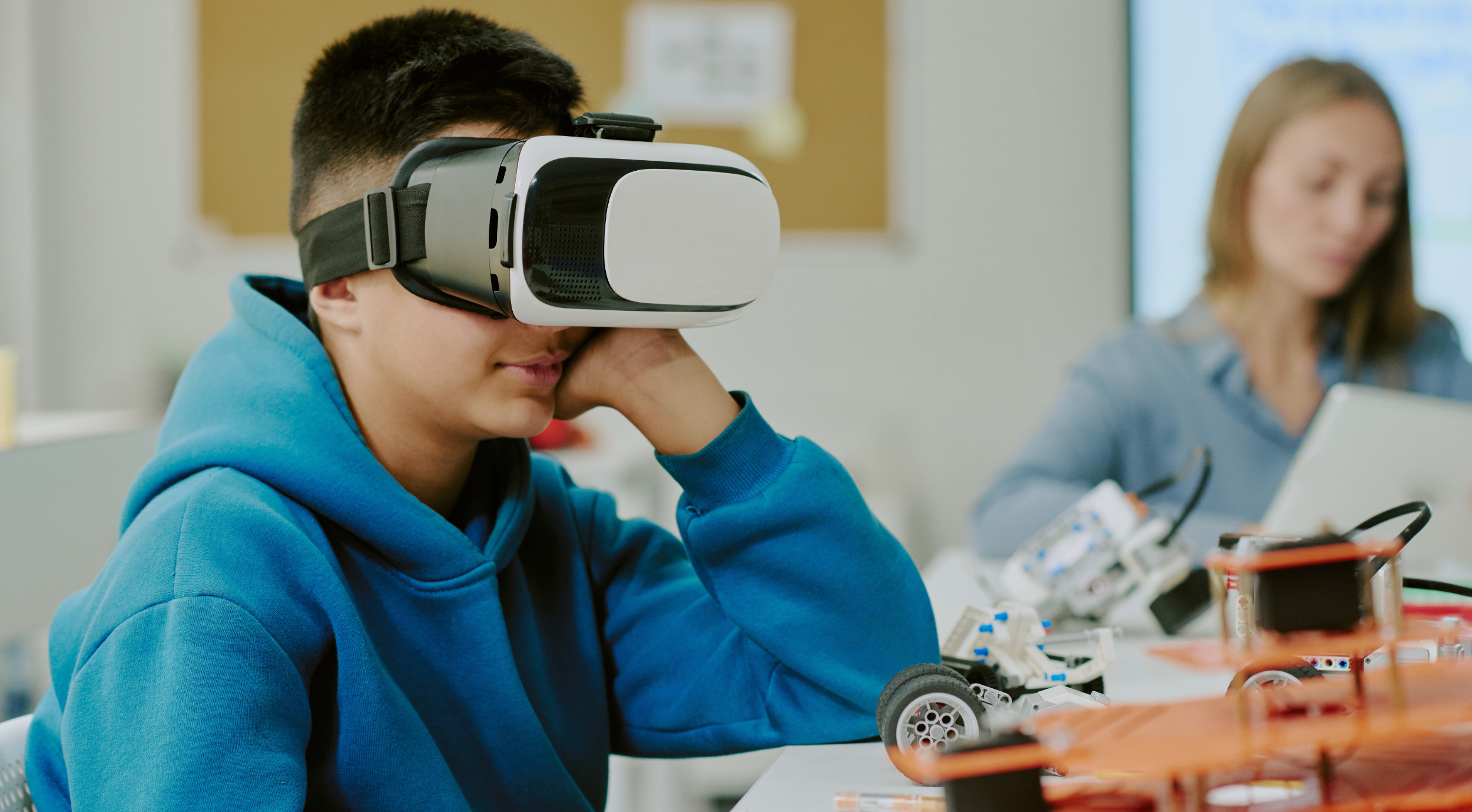
Student Using VR Goggles
annastills

The solutions will be tested in schools with the involvement of key stakeholders. Students and teachers will use AR/VR tools and provide feedback, while companies will assess the relevance of skills and scenarios. The testing results will be used to improve the materials so they are ready for wider use.

6

Dissemination and sustainability

kasto

Project results will be showcased across the regions through local events and information activities aimed at schools, SMEs and public institutions. Sustainability will be supported through stakeholder cooperation and formal arrangements such as a memorandum, helping maintain and further develop the solutions beyond the project lifetime. The project will conclude with a transnational conference presenting outcomes and recommendations.

Events

No events found

Pilot actions

Outputs

SME Mapping and Skills Needs Analysis

This output covers the mapping of SMEs in key manufacturing sectors and the analysis of skills needs, including those related to digitalisation and new technologies. The collected evidence identifies skills gaps and highlights the competences that are most needed across the project regions. The mapping results feed into the joint Training Strategy and support the design of immersive course content that reflects real workplace tasks. Actions leading to the output: A1.1, A1.2, A1.3, A1.4
Type of output: Strategies and action plans
In development
Hands Holding A Smartphone
By Easy

Project Communication Strategy and Action Plan

The Communication Strategy sets out the project’s objectives, target audiences, key messages and communication channels at both partnership and regional level. It consolidates visibility requirements and programme compliance, explains how communication activities are planned and documented, and defines how partners cooperate on preparing and publishing communication materials. The strategy also provides the basis for a start-up package (templates and core texts) and a communication timeline for the full project duration. Actions leading to the output: A1.4, A2.1, A2.5, plus ongoing project-wide communication activities
Type of output: Strategies and action plans
In development
Business, Technology
Getty Images

AR/VR and LMS Pilot for Modern VET

This output focuses on developing and testing innovative solutions for vocational education and training, built on cooperation between schools, SMEs, public institutions and experts. It includes the creation and presentation of an LMS platform to support modern learning and training, as well as a set of AR/VR-based training content and work scenario materials. The solutions are tested in schools, refined based on feedback from students, teachers and companies, and promoted for wider uptake across the partner regions. Actions leading to the output: A2.1, A2.2, A2.3, A2.4, A2.5
Type of output: Solutions
In development
Memorandum Lying On Table
Motortion, Getty Images

Memorandum of Understanding for Long-term Cooperation

The Memorandum of Understanding (MoU) formally confirms cooperation between key project stakeholders, including public authorities, schools and training providers, business support organisations and SMEs. It sets out shared commitments related to the uptake and maintenance of project results, including the use of developed solutions beyond the pilot phase. The MoU strengthens project sustainability and supports continued cooperation between education and the labour market in the partner regions. Actions leading to the output: A2.3, A2.5
Type of output: Strategies and action plans
In development

INNOSKILLS-CE

The project lead partner is responsible for the content of this project website.

Project on social media