
Project overview
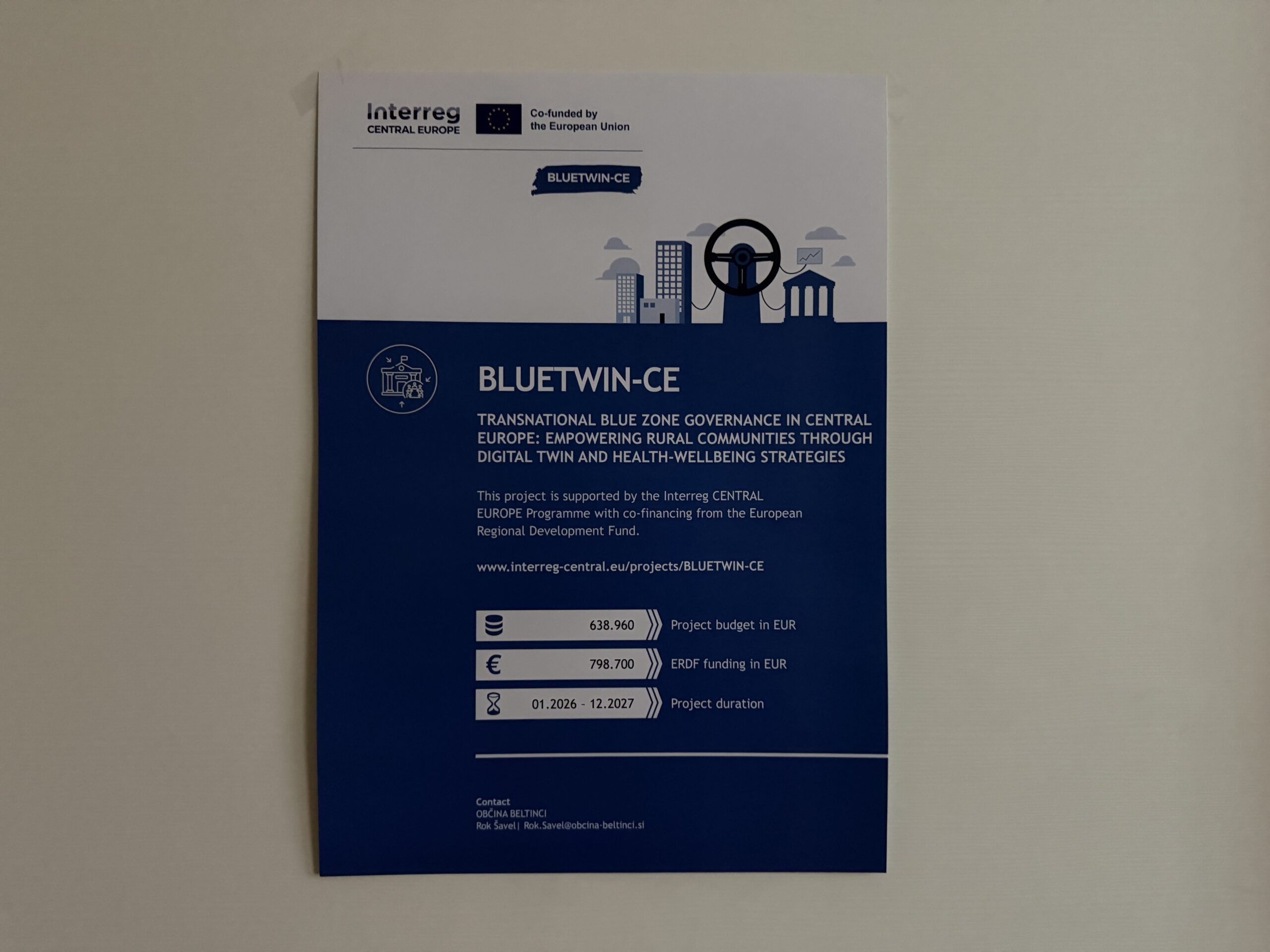
Transnational Blue Zone Governance in Central Europe: Empowering Rural Communities through Digital Twin and Health-Wellbeing Strategies
Peripheral and lagging areas often offer limited opportunities for healthy and active living due to shrinking public services and weak local governance, which in turn contribute to depopulation. BLUETWIN-CE aims to make rural communities more liveable and attractive by combining the Blue Zone approach with Digital Twin technology. Partners embed measures for active lifestyles, healthy diets and social interaction into local governance and test their potential impacts using Digital Twin virtual simulations. Comparing results ultimately leads to an evidence-based governance framework that can be applied in other lagging areas across central Europe.
-
0,80m €
-
Project Budget
-
80%
-
of the Budget is funded by ERDF
-
4
-
Countries
-
4
-
Regions
-
5
-
Partners
-
1
-
Pilots
Duration
Start date
End date
Project progress
Project partnership
Project partners

Lead partner
Municipality of Beltinci
Project partner
Roadmap
Specific problem
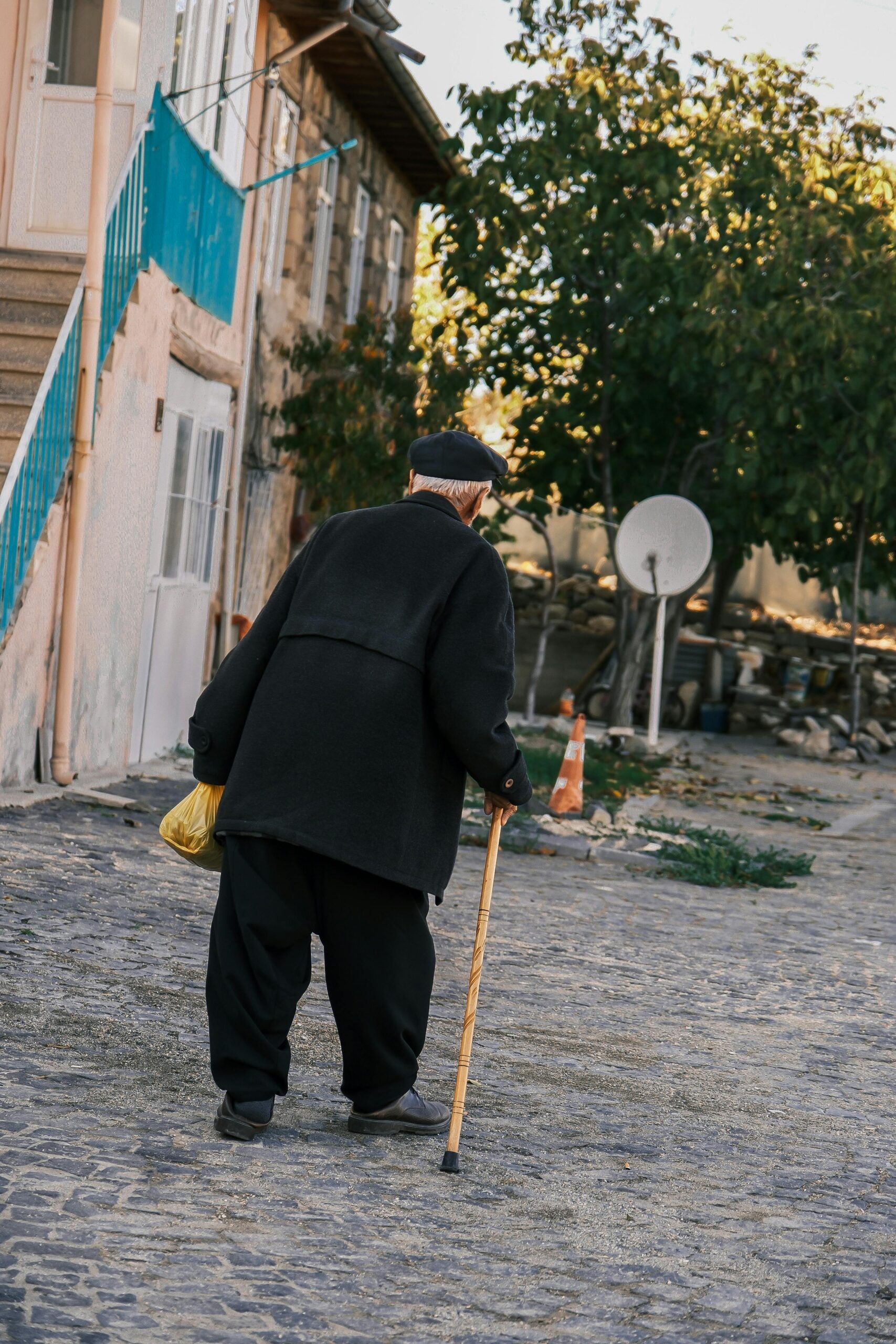
The main challenge the project addresses is the decline in rural communities’ vitality, driven by demographic changes (aging population/depopulation), erosion of public services, and limited governance capacity to respond effectively. According to the European Commission, rural populations are already older than those in towns and cities, and by 2030, over 30% of the EU population will be aged 65 or older—a stark increase from 10% in 1960. These trends, coupled with poor infrastructure, low connectivity, and limited access to education and care, make rural areas less attractive places to live and work. The aging population is inevitable, but the real challenge lies in ensuring Europeans enjoy more quality years before health issues impact their lives. At the same time, rural areas must become vibrant, desirable places for all generations. Achieving this requires innovative health and well-being strategies powered by data-driven solutions. The project addresses challenges faced by rural municipalities, such as limited expertise, resources, and tools among local public authorities. Weak governance, poor cross-sector collaboration, and low innovation capacity further hinder progress, while limited access to data prevents evidence-based decision-making and long-term planning. By leveraging technology, enhancing governance, and fostering collaboration, the project aims to create healthier, more sustainable rural communities.
Main objective

To develop a comprehensive governance model that will strengthen rural communities in implementing sustainable Blue Zone strategies for improved health, well-being, and long-term resilience by enhancing collaboration, building local capacities, and integrating Digital Twin technology to support data-driven decision-making.
Our approach

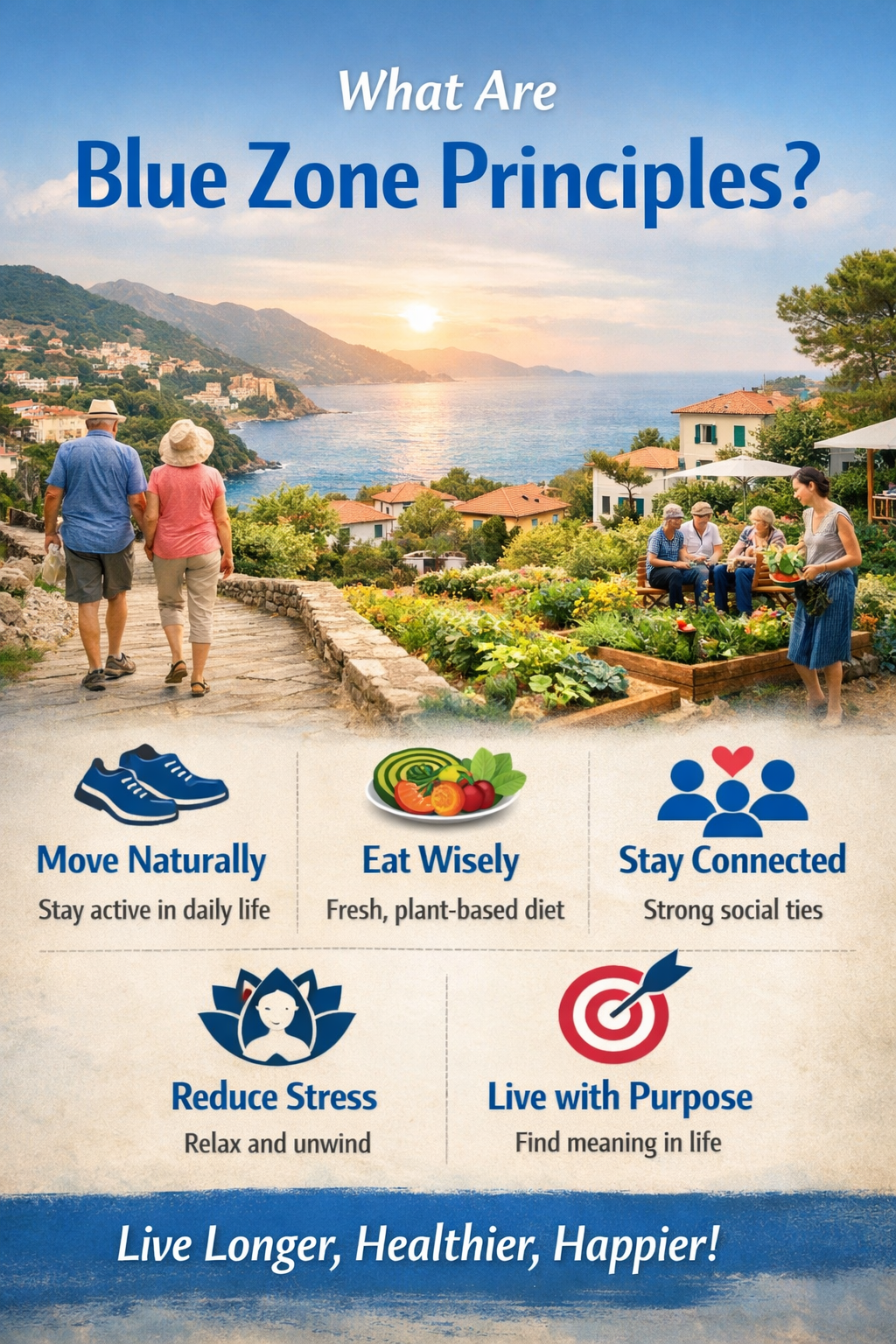
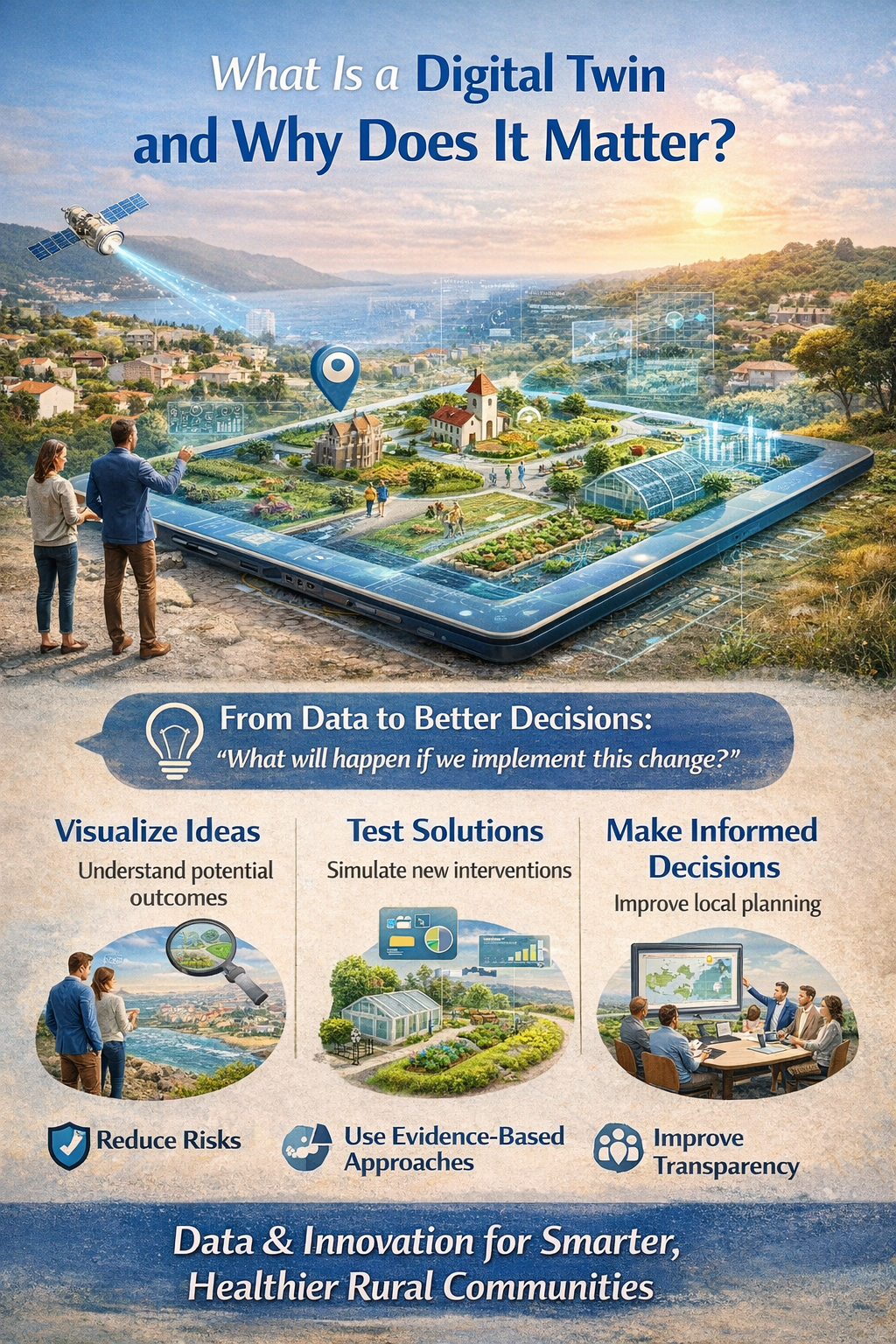
We will develop a pioneering governance model that integrates health, well-being, and digital solutions into a broader territorial development strategy. The project brings together two groundbreaking elements, currently absent in rural areas: governance inspired by Blue Zone principles and a Digital Twin as a dynamic tool for testing and simulating health and well-being policy interventions.
Impact, solution

The approach goes beyond existing practices by introducing an integrated governance framework that positions health and well-being at the heart of territorial development. The Blue Zone principles provide a holistic foundation, while Digital Twin technology ensures decisions are data-driven and future-oriented. This innovative combination transforms rural areas into resilient, desirable places to live, attracting diverse generations and creating a sustainable vision for the future. The Digital Twin also serves as a powerful communication tool, bridging the gap between governance and citizens. By visualizing the impact of policy interventions and encouraging public engagement, it fosters trust and collaboration between stakeholders and local communities. This, in turn, strengthens social cohesion and promotes long-term resilience.
News

Pilot actions
Outputs
O.1.2 Transnational Blue Zone Governance Strategy
O.1.3 Digital Twin
O.2.2 Governance model
O.2.3 Upscaling and Transferability Action Plan
Project videos
Project images
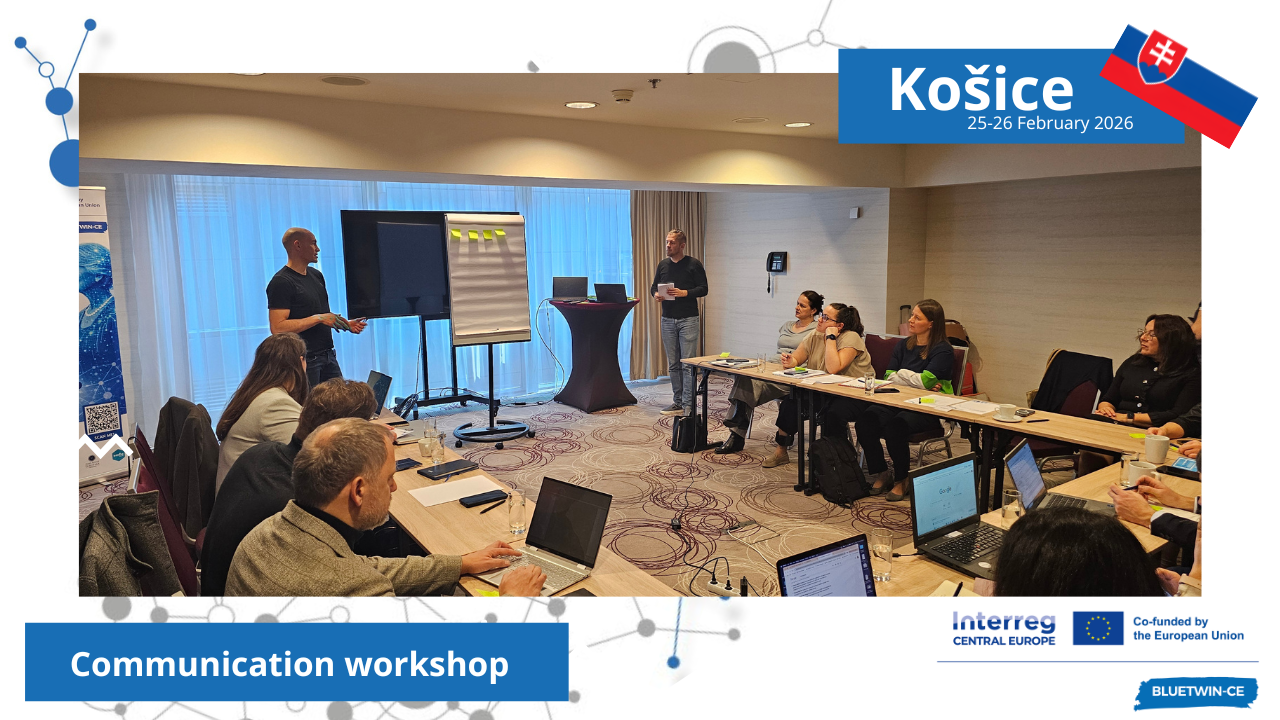
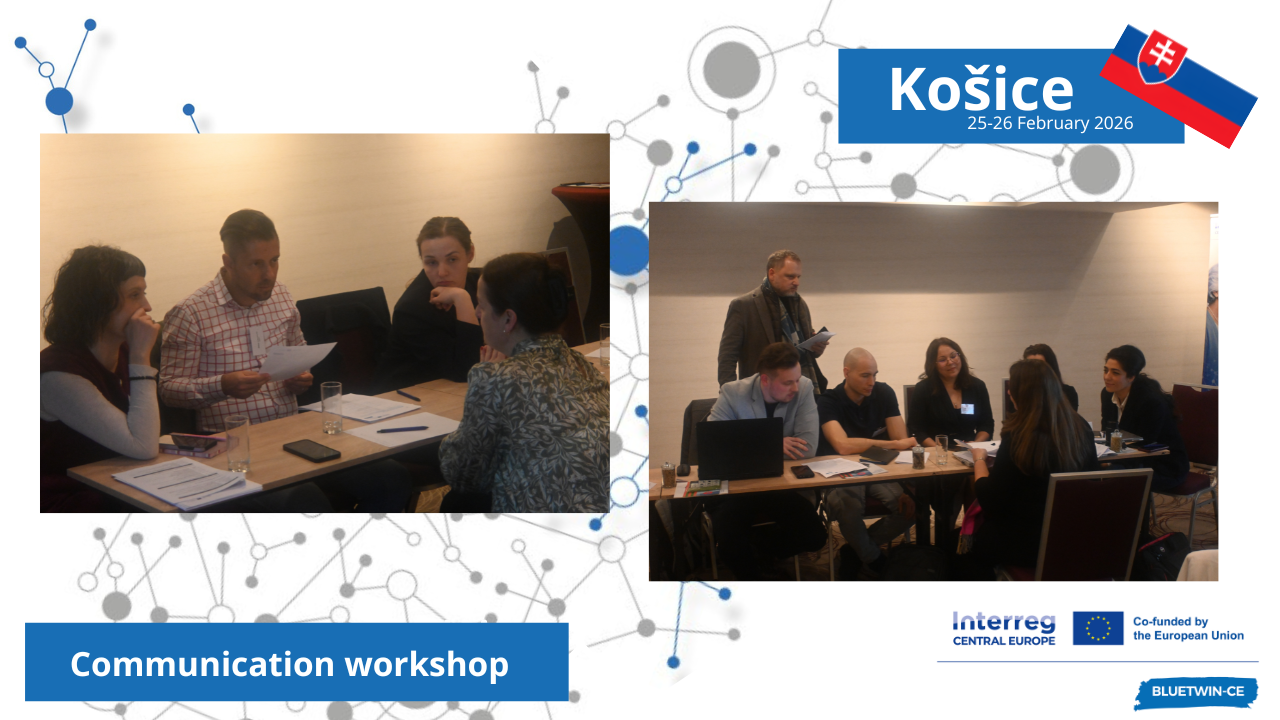
BLUETWIN-CE
The project lead partner is responsible for the content of this project website.