
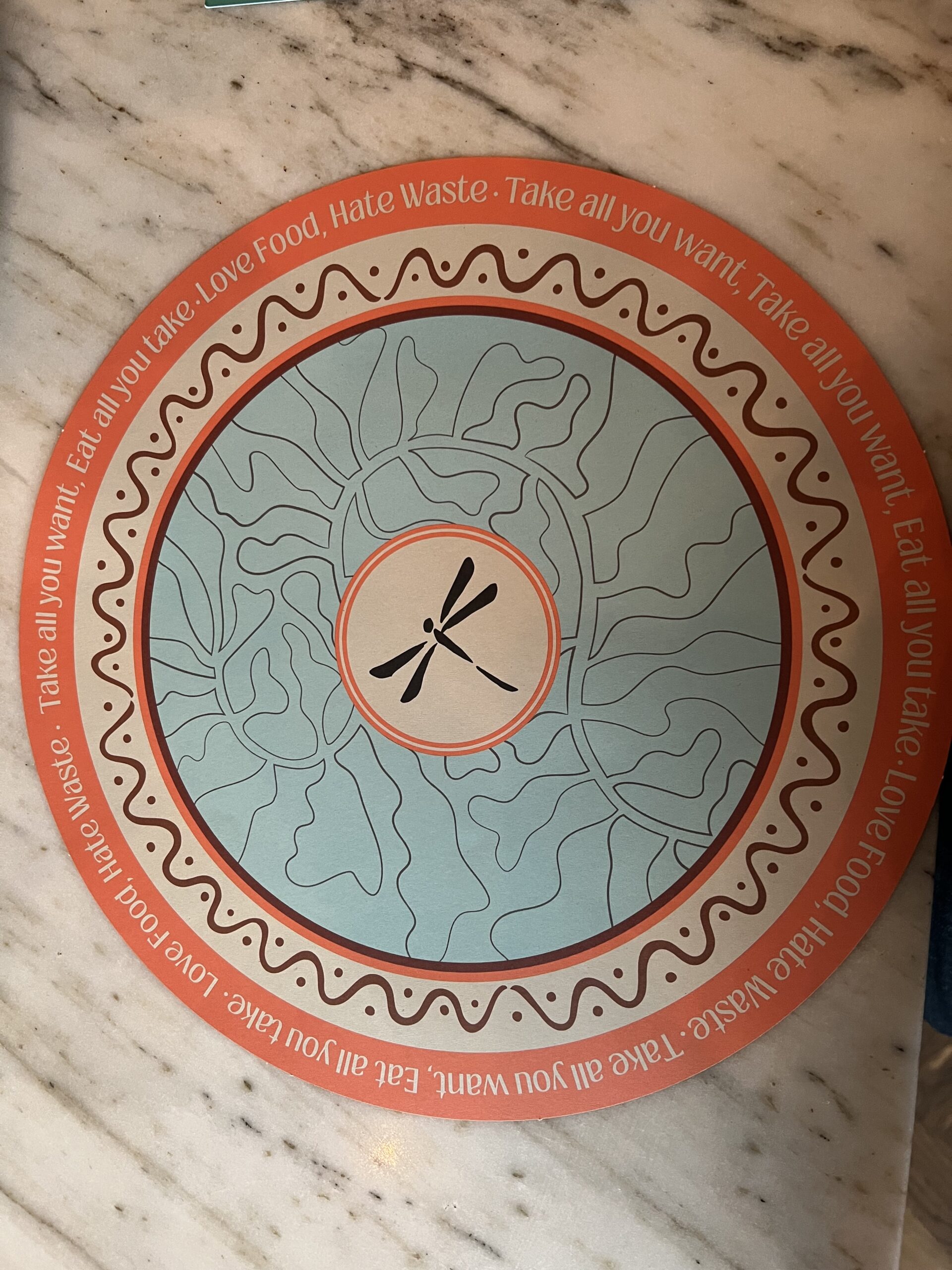
Wording and public communication on zero waste have become part of everyday discourse, yet the reality of implementation often fails to match these ambitions.
The International Day of Zero Waste offers an opportunity to aim higher. This year, the focus is on food waste: https://www.un.org/en/observances/zero-waste-day. Globally, food is being wasted at an alarming rate, undermining food security and slowing progress towards a zero waste, circular future.
It is not always easy to identify concrete, practical examples of successful zero waste implementation. Most often, zero waste approaches to food are visible at public events (often labelled as “green events”), while food processing activities also demonstrate important contributions.
With the RUREVIVE project (launched in February 2026), we aim to encourage rural communities to address zero waste from two perspectives:
- Identifying strengths and gaps – which areas within targeted rural communities already show visible results, and which still require additional motivation;
- Fostering collective action – how to stimulate joint community efforts and strengthen commitment to zero-waste practices.
We will continue to share insights and examples of zero waste practices in tourism in the Barycz Valley Landscape Park (Poland), agricultural production in the Zagorje-Krapina County (Croatia), and among entrepreneurs of the Local Action Group From Pohorje to Bohor (Slovenia).