
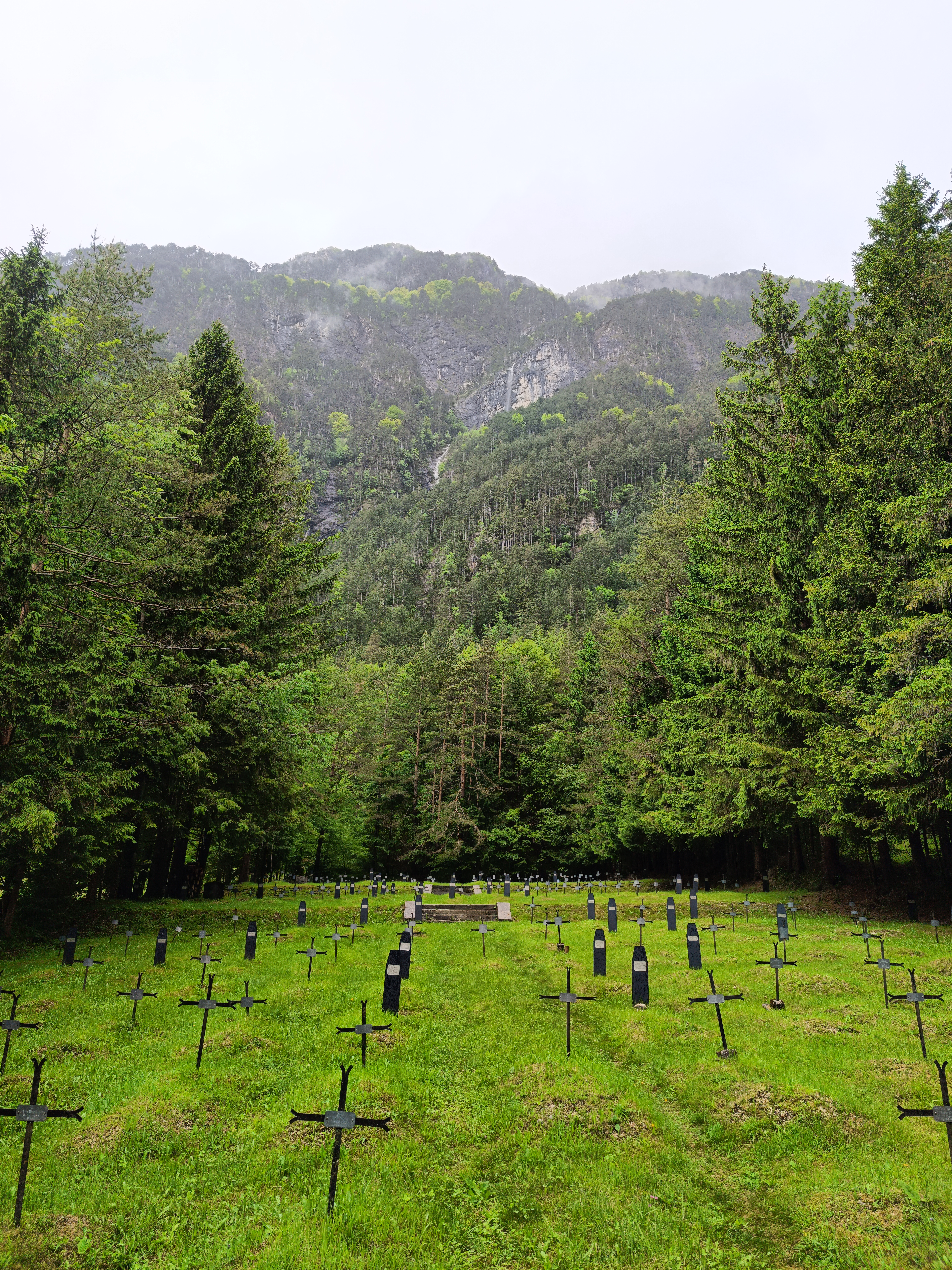
The shared heritage of World War I can serve as a foundation for dialogue, education, and sustainable development in Central European regions – this is the key message of the conversation with GOV4Peace partners, published on the GO2025 portal. The article, titled “Transnational Heritage of War: Knowledge Transfer and Sustainable Development Beyond Borders”, explores how international cooperation can integrate different historical narratives into a common perspective. (Read the full article)
Under the guidance of the Soča Regional Development Centre and the Walk of Peace Foundation, partners from 11 countries – including Poland, Slovenia, Italy, Germany, and Ukraine – along with numerous research institutions, museums, and local authorities, are actively engaged in the protection, interpretation, and revitalization of World War I heritage sites. Their goal is not only to preserve the material traces of conflict but also to transform them into spaces for social dialogue, education, and innovative sustainable development practices.
Experts in the interview discuss why transnational cooperation is essential, how different memory traditions can be combined into a coherent narrative, and the role of museums, universities, and local communities in building a shared European memory of war. They emphasize that only by integrating knowledge and experiences across countries can we fully understand the history of World War I and use it to foster communities based on peace and mutual understanding. (Read the full article)
The discussion also touches on UNESCO perspectives and the potential of the European Walk of Peace Trail as a shared transnational heritage route that could be considered for the UNESCO World Heritage List, highlighting the importance of research and educational activities for future generations. (Read the full article )