
Focus of the Session
The event provided an opportunity to:
-
Present the objectives and structure of the Climate_CRICES project
-
Introduce the Pilot Actions under development
-
Demonstrate the Climate_CRICES dashboard as a tool for climate impact adaptation planning
-
Exchange experiences on municipal adaptation challenges
Particular attention was given to strengthening municipal capacities to apply evidence-based approaches and to enhancing cross-border knowledge exchange.
Priority Risks Identified
Participants highlighted key climate-related risks affecting municipalities:
-
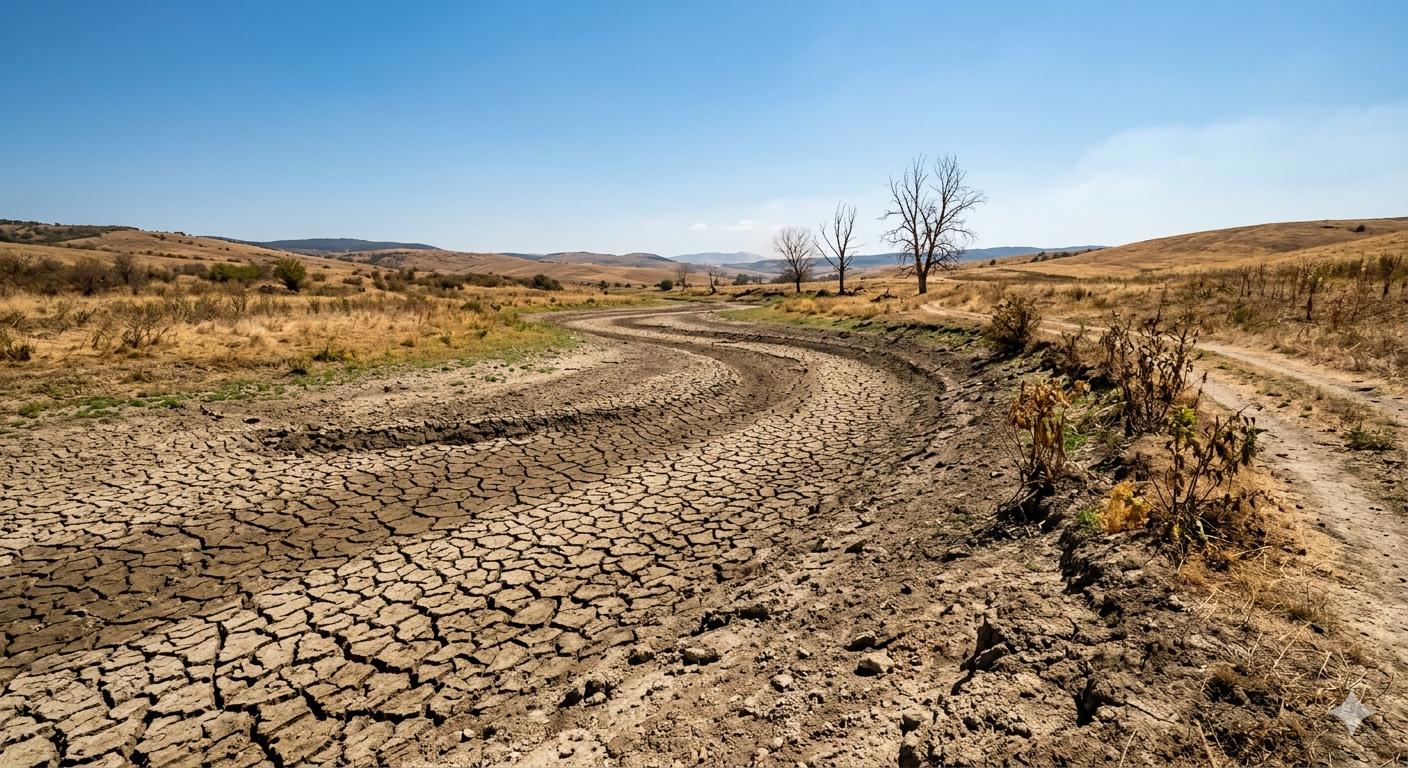
Heat and drought
-
Heavy precipitation and flooding
-
Biodiversity loss
These risks increasingly impact infrastructure systems, ecosystems, and long-term planning frameworks.
Structural Barriers
Discussions also addressed structural obstacles to effective adaptation:
-
Financial constraints and high costs: Lack of accessible funding, strained municipal budgets, high investment and maintenance costs, and local structural constraints.
-
Limited human resources: Insufficient staff capacities and an increasing number of responsibilities for municipalities.
-
Lack of legal enforceability: Absence of clear, legally binding requirements and obligations for climate adaptation.
-
Knowledge and awareness gaps: Limited understanding of climate issues and insufficient sensitivity to climate relevance among decision-makers and politicians.
-
Political inertia and uncertainty: Low political will, uncertainty about cost–benefit relations, and a focus on short-term measures that may cause long-term harm.
Participants further noted the growing complexity and volume of existing tools and guidance materials. This underlines the importance of clearly communicating the added value of the Climate_CRICES dashboard and its cross-border perspective.
Tool Assessment and Next Steps
A short survey conducted during the event indicated that the dashboard is particularly effective as a communication and justification tool when presenting adaptation measures to political decision-makers and stakeholders.
While the interface and visualisation logic were positively assessed, further onboarding and structured support mechanisms were identified as important for ensuring long-term operational integration into routine administrative processes.
The feedback collected during the official monthly event hosted by LfULG will directly inform the continued development of the Climate_CRICES Pilot Actions, with a strong focus on practical, realistic enabling measures and sustainable cross-border cooperation.