
The technology behind bidirectional charging is no longer a distant vision—it is here. However, for Vehicle-to-Everything to truly “take off” and reach mass-market scale, we must first complete the “runways” it needs to operate: a synchronized foundation of hardware, software, and legislation.
In our latest study we analyzed the specific “bottlenecks” across Central Europe. While the “aircraft” (the EVs and chargers) are ready, paving the way for them requires addressing three critical areas.
1. Technology & Market Readiness
A runway is only useful if it fits the aircraft landing on it. Our research shows that while bidirectional-ready hardware exists, the industry is still waiting for universal “software language” synchronization.
The Standardization Gap: The full implementation of the ISO 15118-20 standard remains the primary hurdle. Without this unified protocol between car manufacturers (OEMs) and charger vendors, the market remains fragmented.
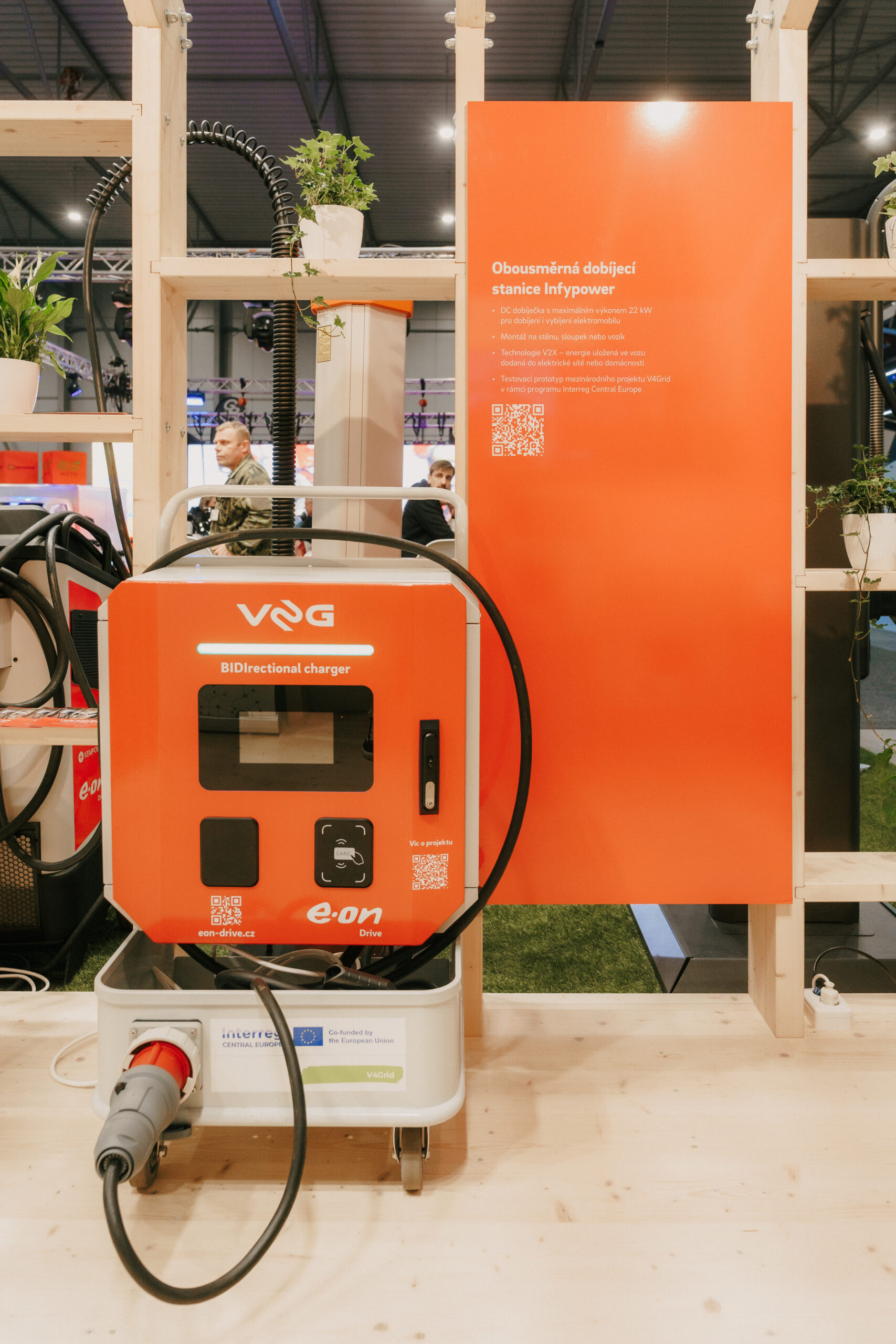
Strategic Selection: In our pilot phases, we are carefully selecting vendors—such as InfyPower in Czechia and SigEnergy in Hungary—that demonstrate the highest readiness for current software integration while remaining adaptable for future standards.
2. Safety & Technical Requirements
Safety is the non-negotiable lighting of our V2X runway. Transforming an EV from a passive load into an active power source changes the electrical requirements of any building.
Advanced Grid Protection: To prevent “interpretative chaos” and ensure safety, we are implementing specialized protections like Type B Residual Current Devices (RCDs) and “anti-islanding” systems. This ensures the car doesn’t feed power into the grid during maintenance or outages.
Infrastructure Upgrades: Our pilots in Poland and Slovakia have shown that site preparation often requires significant upgrades, from installing 3×50 A protections to deploying high-capacity cable lines (e.g., 5×16 mm²) to handle bidirectional flows safely.
3. Regulatory & Legal Frameworks
Even with a perfect physical runway, you cannot fly without legal clearance. The regulatory landscape for V2X in the V4 region is currently in a state of evolution.
The Identity Crisis: A major barrier identified in our report is the lack of a clear legal definition for an EV as a mobile energy storage unit. Is it a vehicle, or is it a battery? This ambiguity complicates building permits and grid connection agreements.
Administrative Hurdles: From the need for authorized electrical designers in Poland to the specific “approved lists” of inverters in Hungary, the path to permission is currently a labyrinth. V4Grid is documenting these processes to help regulators streamline the “flight plan” for future users.
Moving from Study to Pilot
The findings of Period 3 have provided us with a clear roadmap. We have moved past the “if” and are now solving the “how.” By identifying these technical and legal bottlenecks, V4Grid is not just testing chargers; we are building the infrastructure that will allow electromobility to stabilize our grids and power our homes.