
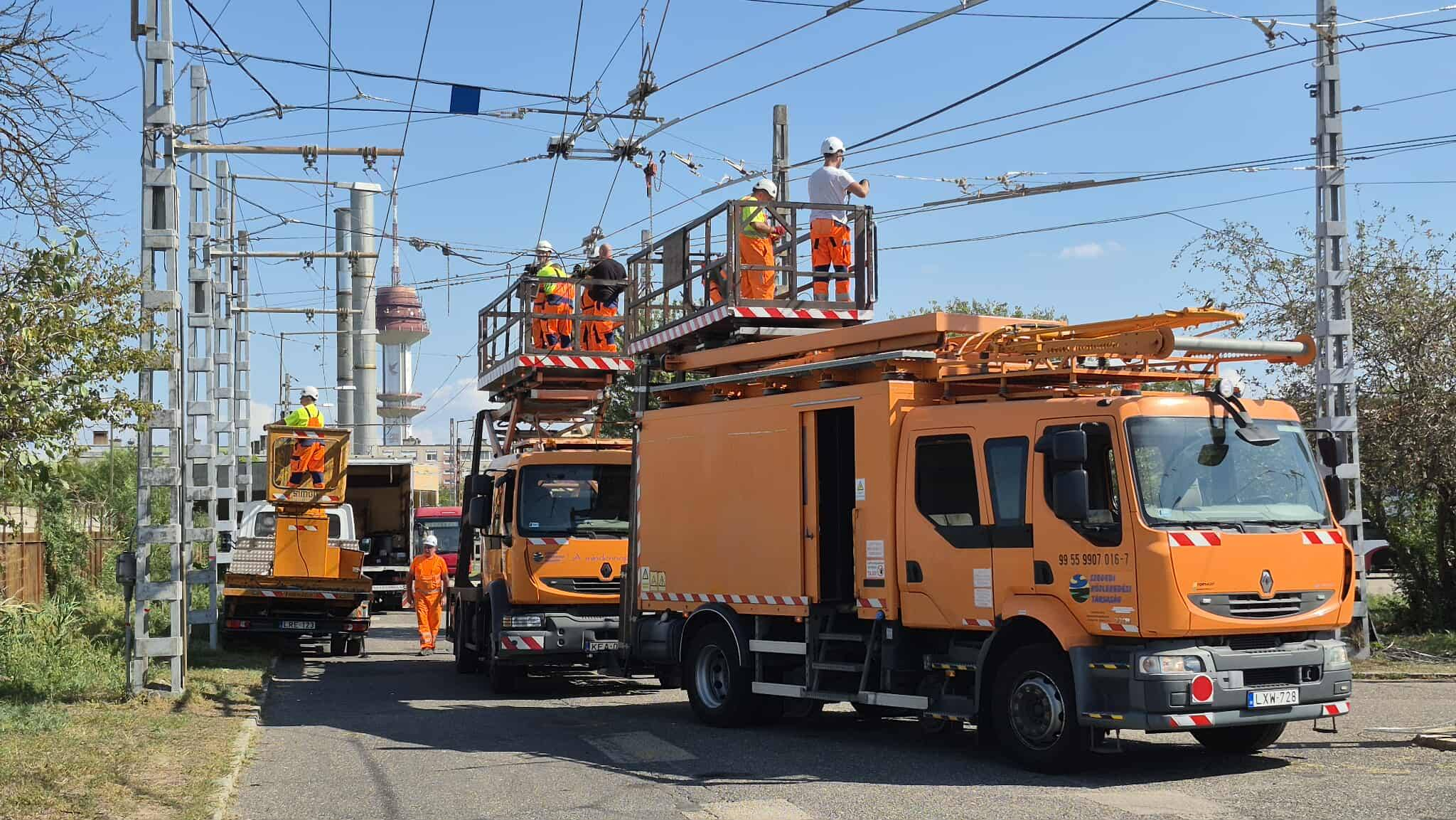
- To reuse heavily used trolleybus switches from the passenger network at the depot
- To reinstall 4 refurbished and 4 new switches on the line network and at the depot
- To develop a transferable solution, verified by experts and built on feedback.
The second pilot aimed to develop and implement a universal tram door control unit compatible with the original Tatra controllers, meeting modern safety and regulatory requirements, and providing advanced diagnostics. During the pilot, 40 units were produced and underwent extensive real-world testing with software modifications. The solution can later be applied to trolleybuses using similar door systems. Marta Woronovicz (trolley:motion) introduced the project’s online matchmaking. This forum allows companies dealing with electric public transport vehicles to buy and sell used vehicles or parts. This supports the project’s goal by prioritizing reuse where possible, reducing the frequent purchase of new vehicles, and helping companies utilize idle spare parts. László Szedlmajer (BKV) presented how Naples’ GST 12D trolleybuses were modernized to fit the Budapest environment and comply with domestic conditions. He first introduced Budapest’s trolleybus fleet, most of which are low-floor, air-conditioned, and operate without overhead wires in many areas. The six units manufactured in 2003 entered service in Budapest on October 4, 2025, operating on lines 70, 77, and 78, and from November 1, they also appeared on line 74. Péter Buday (BKV) introduced tram modernization in Budapest. For the benefit of international participants, he provided an overview of Budapest’s public transport operators and network. The city has 30 tram lines totalling 272 kilometers, with a mixed fleet of newer and older trams and more than 10 depots. Modernization is necessary both to better serve passengers and to update the trams technically. Upgrades include, among others, heating modernization, CCTV installation, and other improvements. A representative from Enika also spoke about tram modernization. Their company modernizes large numbers of various tram types. The workshop concluded with a panel discussion moderated by Antal Gertheis (Mobilissimus), where the presenters summarized why considering circularity is important in public transport. For more information, please contact: ce4ce@mobilissimus.hu