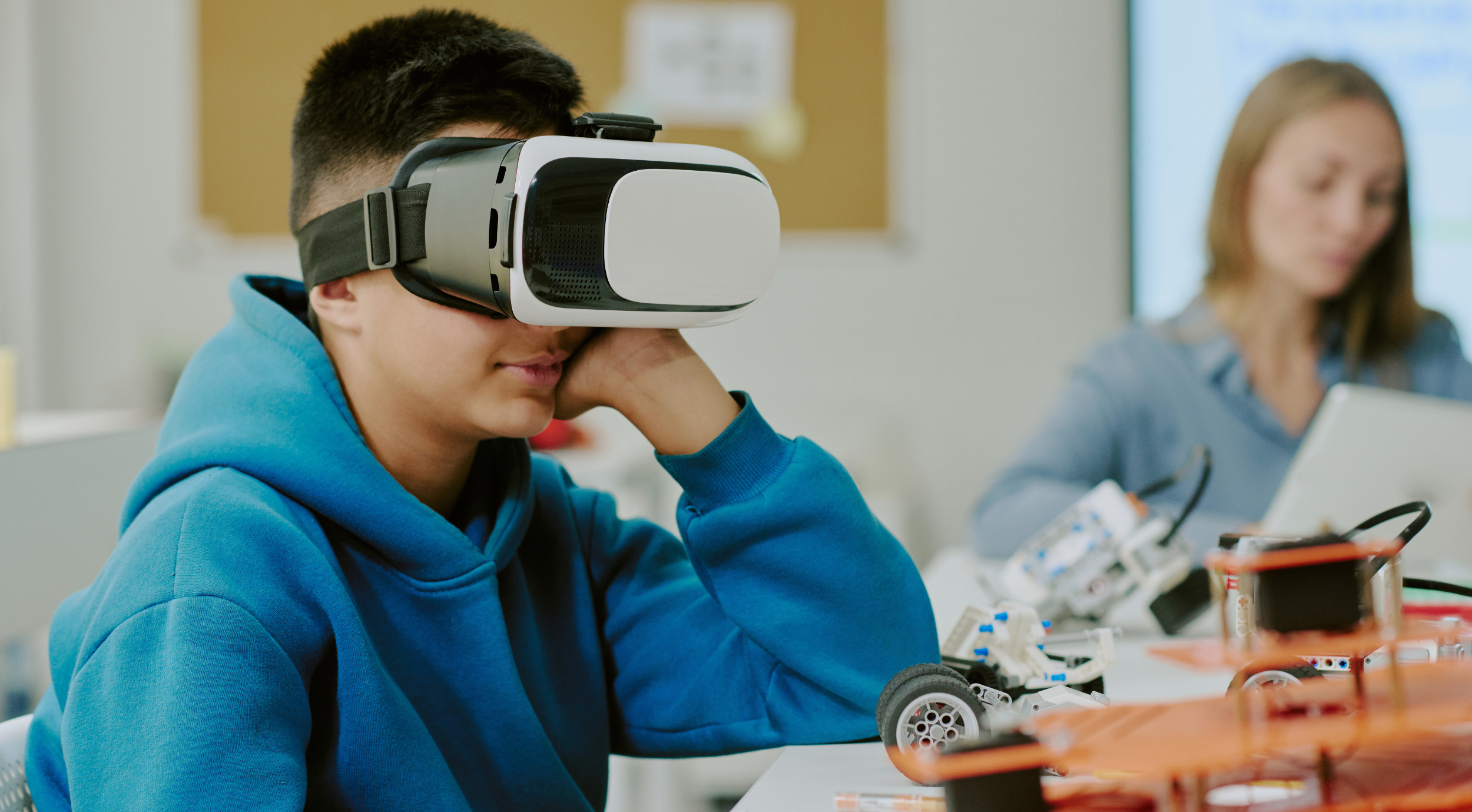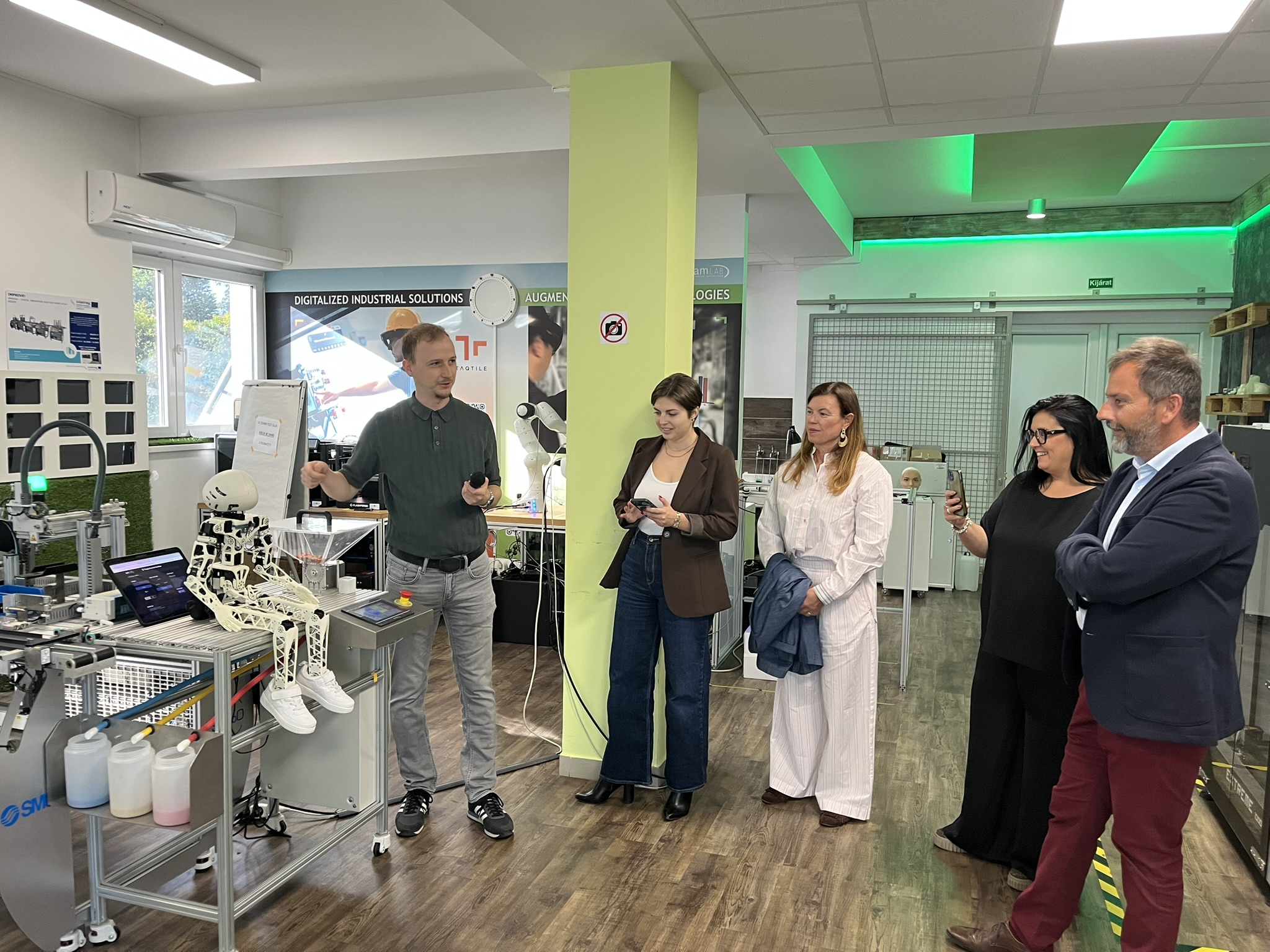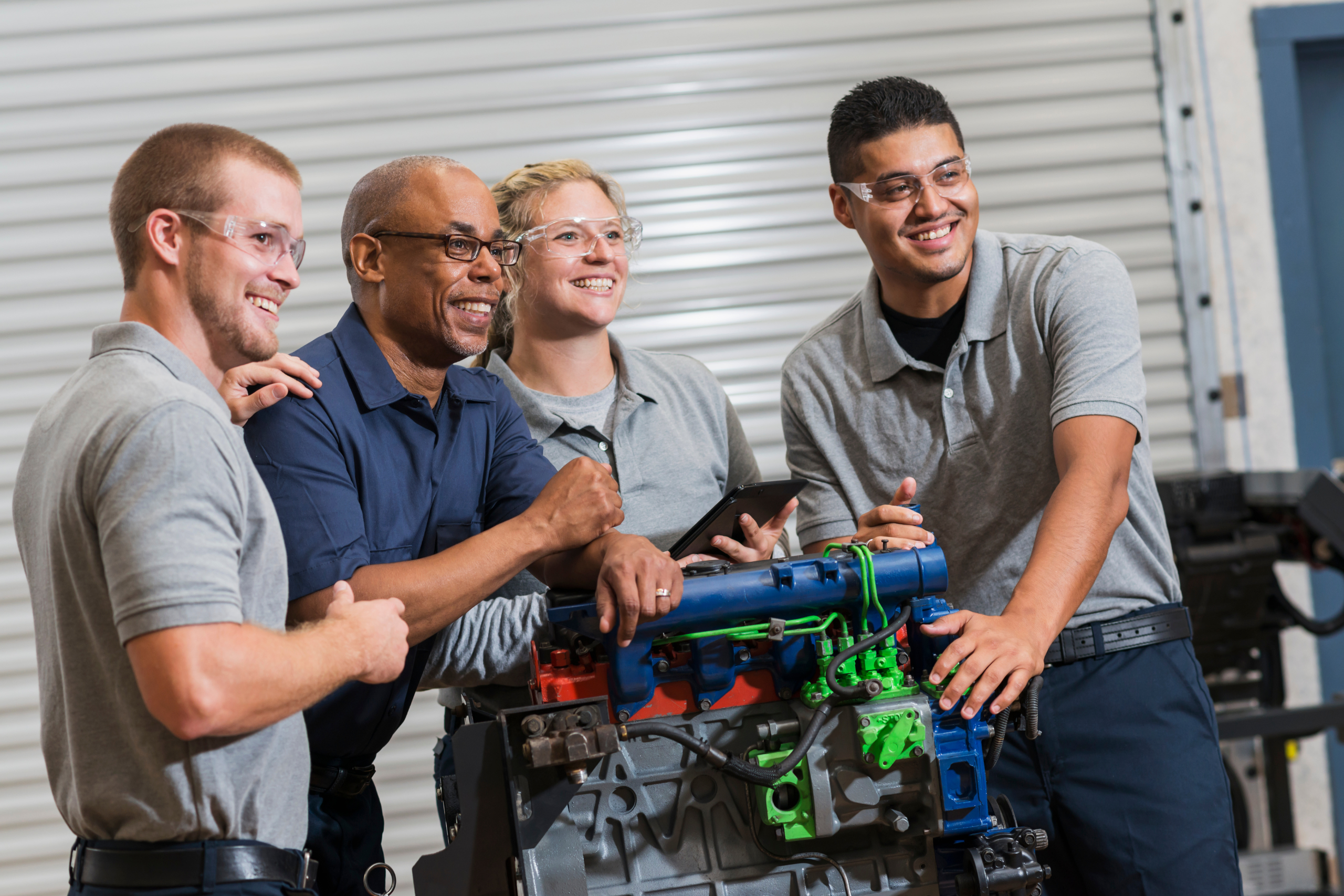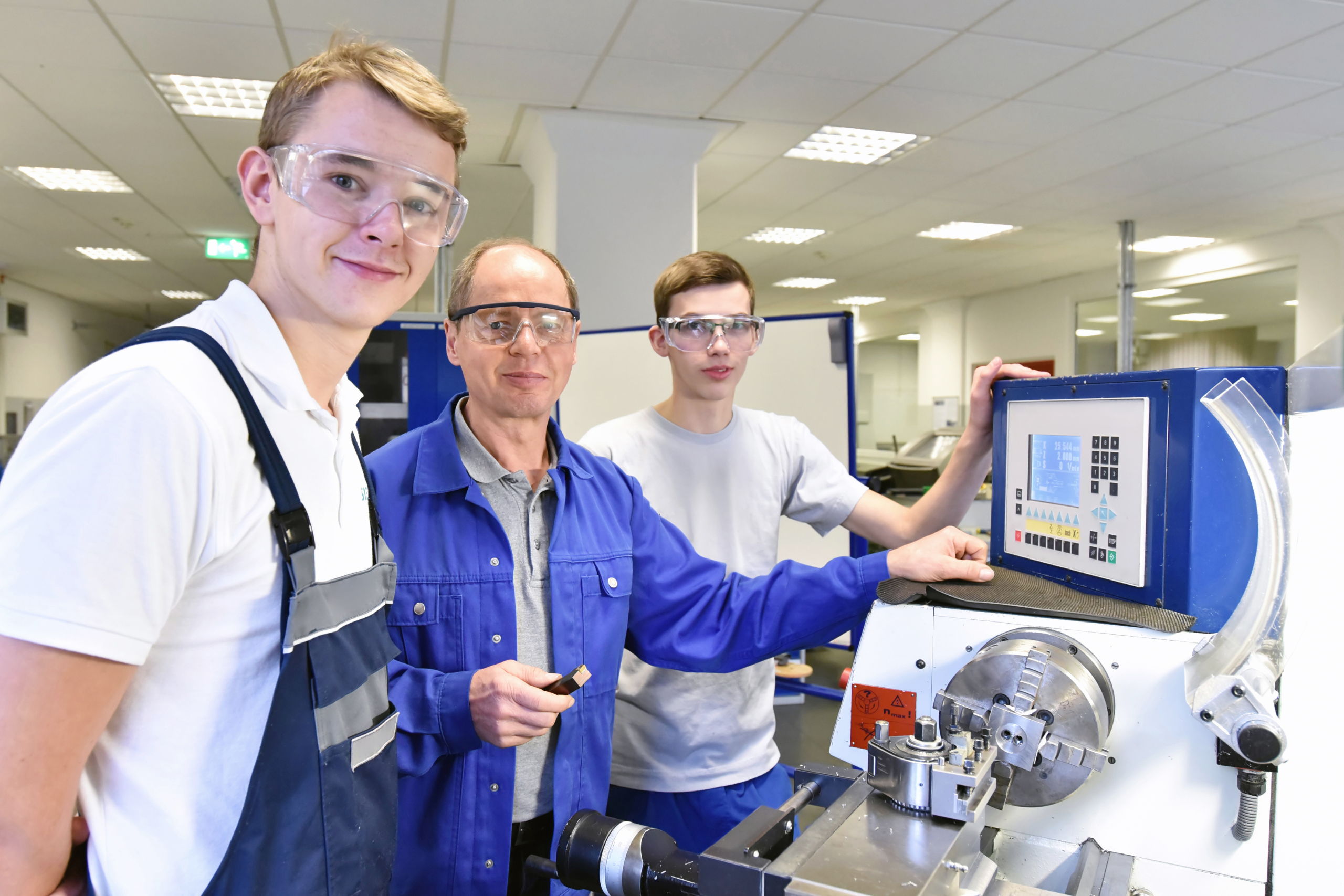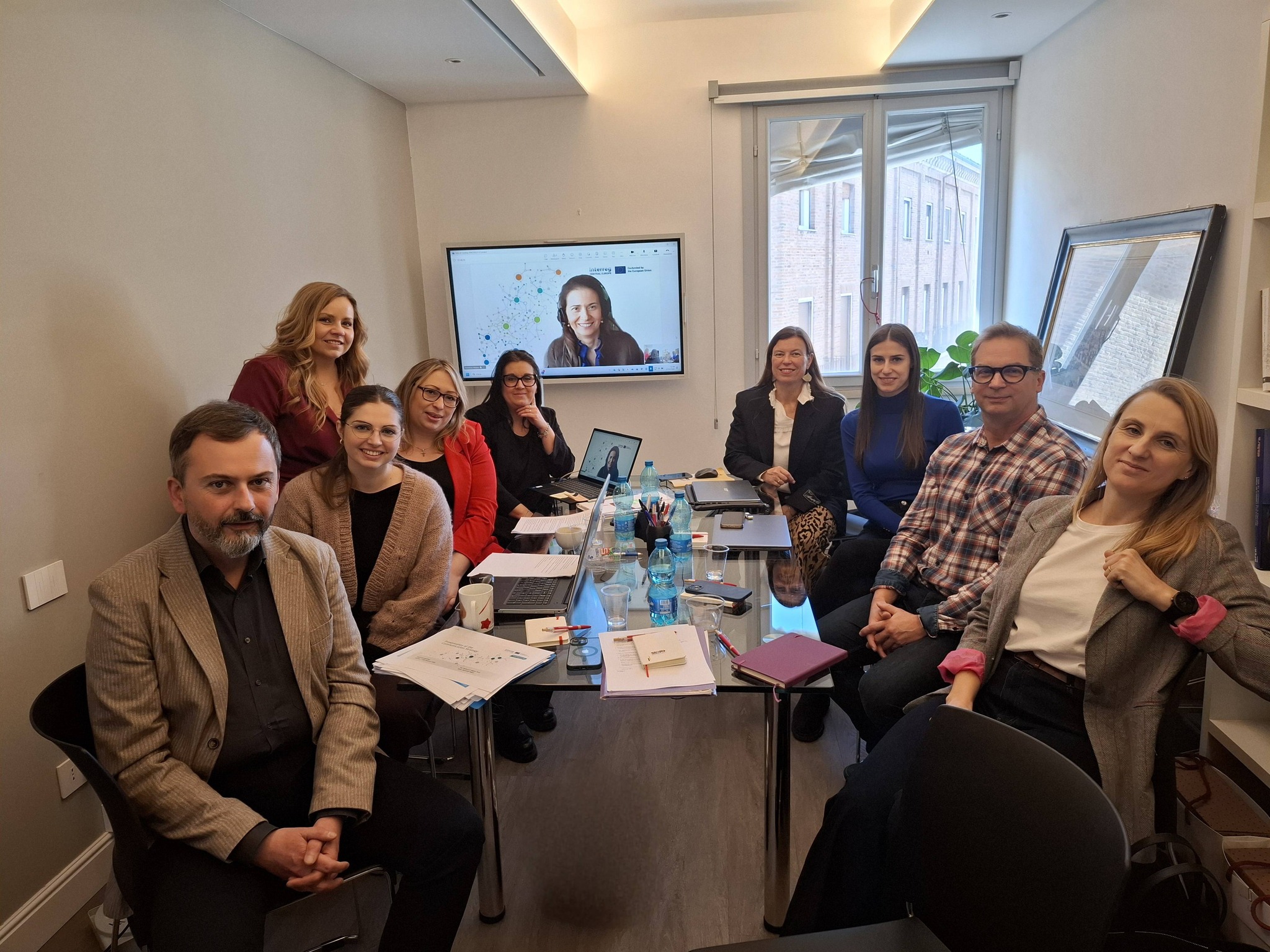
INNOSKILLS-CE aims to strengthen skills for smart specialisation, industrial transition and entrepreneurship, with a particular focus on young people living in rural and peripheral areas. The project supports the development of training programmes based on immersive technologies such as augmented and virtual reality (AR/VR) and introduces a digital Learning Management System (LMS) platform. Thanks to these solutions, students, schools and businesses can explore practical learning pathways that are better aligned with labour market needs. The project contributes to reducing brain drain, increasing youth employability and supporting the growth of SMEs in the manufacturing and technology sectors, while also strengthening the economic and social cohesion of less developed areas.
The project is implemented in three regions in Central Europe that are located away from the main development centres, with one region in each partner country. These areas have economic potential, but they face structural challenges and barriers to keeping pace with an increasingly dynamic and competitive global economy. In Italy, the project focuses on the inland area of Lower Ferrara, where geographical isolation, declining employment, a high rate of early school leaving and a lack of technical and digital skills are key issues. In Poland, activities are centred around Wałbrzych, a post-industrial and post-mining area affected by high youth unemployment and a decline in vocational education and training. In Hungary, the project works in Vas County, which has a strong automotive sector but struggles with a shortage of skilled labour and a high level of youth migration abroad.
To respond to these challenges, INNOSKILLS-CE follows an innovative, multi-dimensional approach that combines immersive AR/VR-based training, a shared LMS platform connecting students, schools and SMEs, and structured cooperation between schools, businesses, public authorities and training centres. The main results of the project include a joint training strategy designed to adapt curricula to labour market needs, a package of innovative solutions for training (including procedures and AR/VR content), pilot activities testing immersive training approaches in practice, and a transnational LMS system for sharing educational materials and supporting continuous training through an innovative, hands-on model.
The project’s target groups include SMEs active in key manufacturing sectors such as mechanics, automation and robotics, as well as business support organisations representing local SMEs and the wider business community. The project also addresses secondary school students and teachers, universities and post-secondary vocational training institutions (including ITS/IFTS), and public authorities and policymakers responsible for education and regional development. In addition, the general public in the project regions will benefit from increased awareness and access to information related to education, skills development and labour market opportunities.