
Peer Learning and Knowledge Exchange
The first day opened with a Peer-to-Peer exchange, where partners from eight project areas shared good practices on the availability, accessibility, and analysis of climate data. Presentations showcased concrete tools and approaches—such as dashboards, datasets, and decision-support methods—designed to strengthen evidence-based climate planning at regional and local level. The session highlighted the diversity of regional challenges while underlining the value of mutual learning within the partnership.
Pilot Actions Supporting Climate Adaptation
A key focus of the meeting was the presentation and discussion of the project’s three pilot actions:
-
Pilot Action 1: Improving climate change adaptation plans with a focus on heat and drought
-
Pilot Action 2: Strengthening climate change management plans addressing water shortage and flooding
-
Pilot Action 3: Enhancing climate management plans to mitigate impacts on biodiversity
Partners responsible for pilot implementation in Italy (Veneto, Piedmont), Croatia (Zagreb), Hungary (Central Danube area), Austria (Burgenland), Germany (Saxony), as well as transborder areas involving Germany, Poland, and the Czech Republic, presented the objectives, target users, and expected uptake of their actions. The joint discussion supported knowledge exchange and helped identify opportunities to further strengthen the pilots.
Advancing Data-Driven Climate Forecasting
The meeting also introduced the next steps of Work Package 3, which aims to upscale a data-driven approach to improve the forecasting of climate change impacts in Central European regions. Partners discussed how analytical tools and shared methodologies can support more informed decision-making and long-term climate resilience.
The first day concluded with a guided walking tour through the historic centre of Eisenstadt, offering an informal setting for networking and exchange among participants.
Climate and Biodiversity in Practice
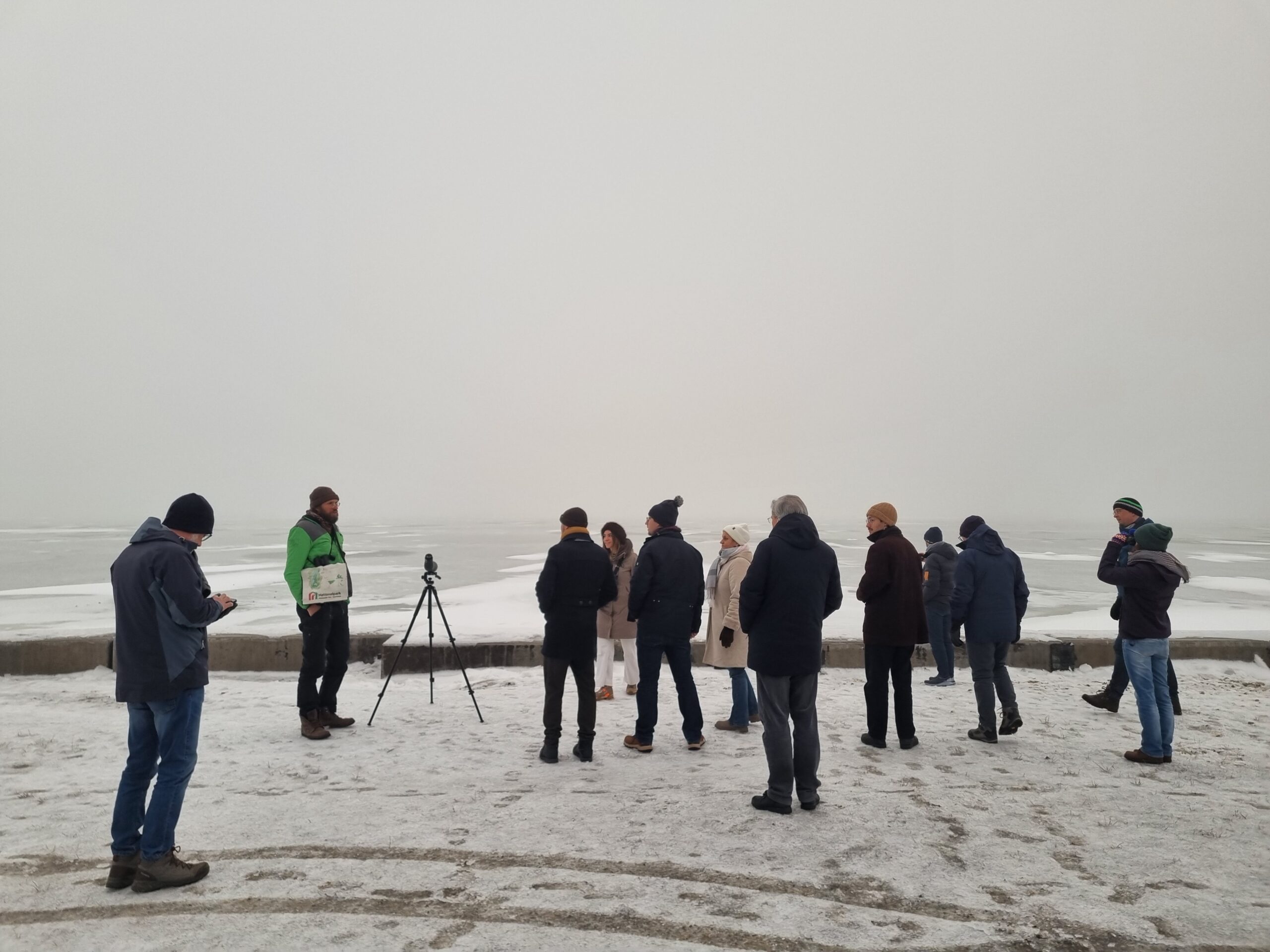
On the second day, partners had the opportunity to take part in a study visit to Nationalpark Lake Neusiedl. The excursion provided real-world insights into the interaction between climate change, biodiversity, and landscape management, illustrating how climate adaptation measures can be applied in practice.
Strengthening Cooperation for Climate-Ready Regions
Overall, the Eisenstadt meeting marked an important milestone for Climate CRICES. By reinforcing peer learning, showcasing pilot actions, and promoting data-driven approaches, the project continues to build a strong foundation for more resilient and climate-ready regions across Central Europe.