

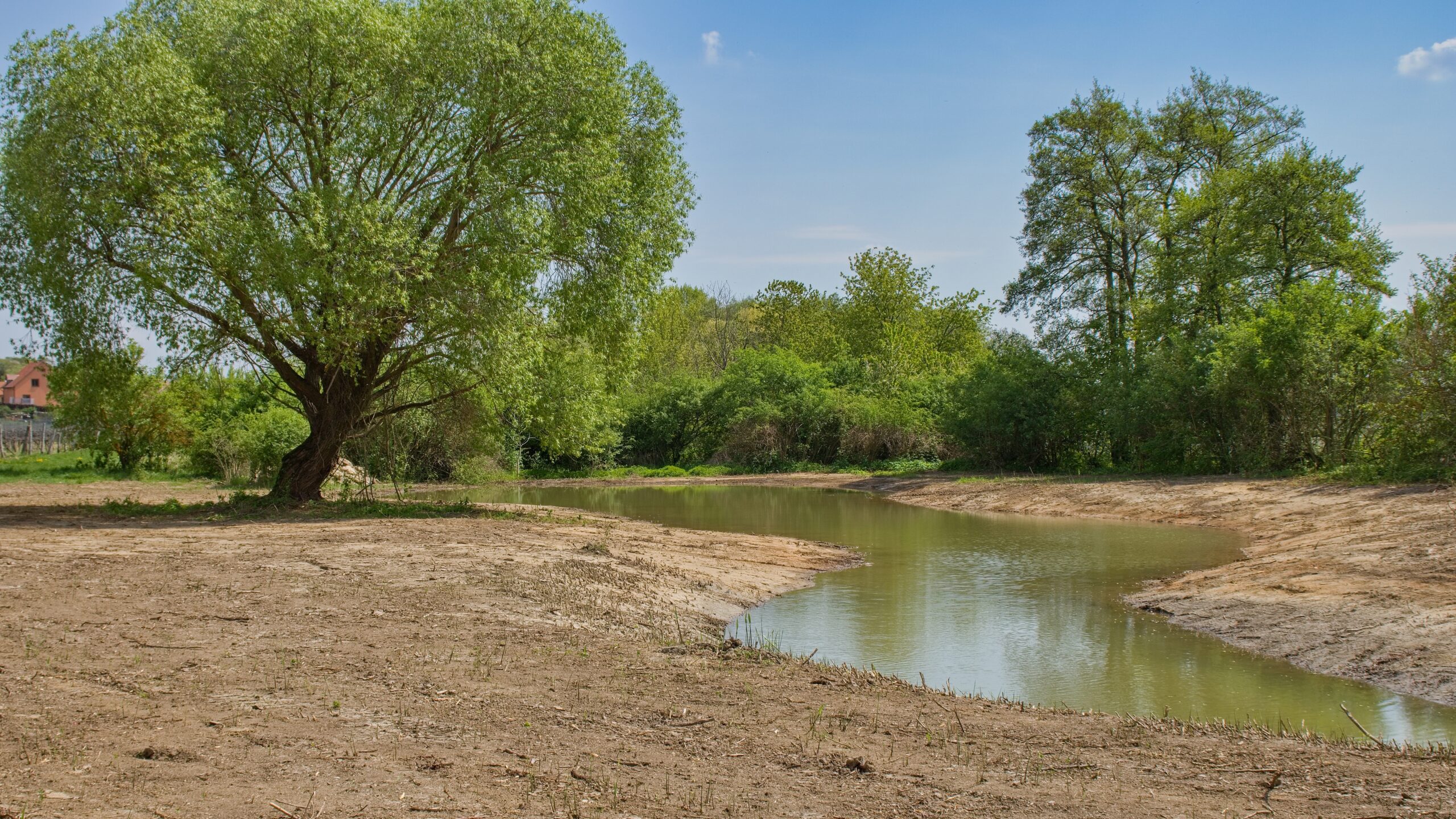
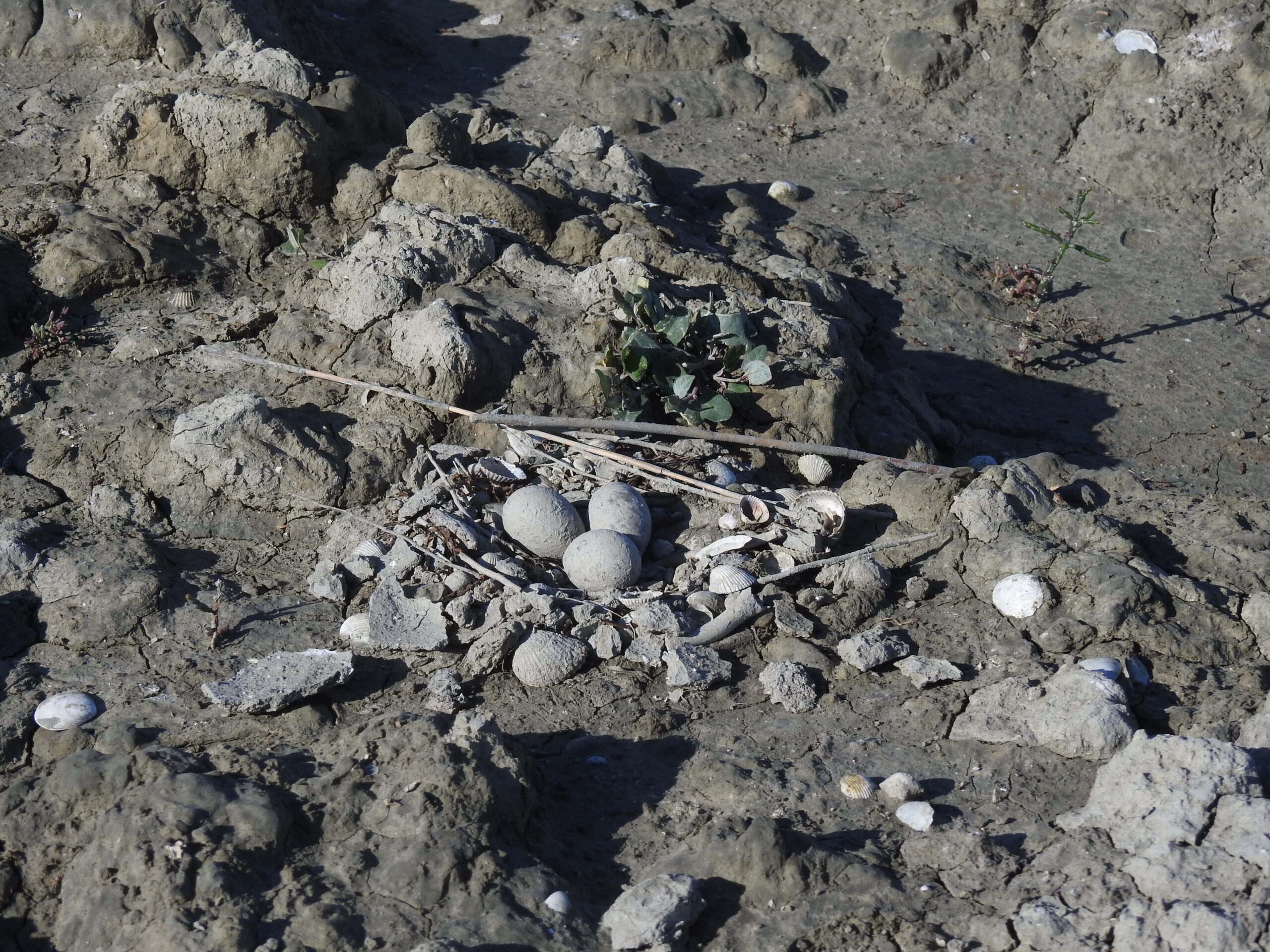
ReCo creates habitat connectivity needed by waders for migration (Škocjanski Lagoon, Slovenia) - © Jörg Schmiedel
Project overview
Restoring degraded eco-systems along the Green Belt to improve and enhance biodiversity and ecological connectivity
The European Green Belt is a unique network of ecologically important habitats and protected nature areas. Crossing countries along the line of the former Iron Curtain, it is under pressure: growing land use is leading to biodiversity and habitat degradation. The ReCo project piloted a new protection and conservation strategy by capitalising on geo-information and data processing systems. The partnership also adopted a community-based development approach to leverage funds and activities.
-
2,74m €
-
Project Budget
-
80%
-
of the Budget is funded by ERDF
-
6
-
Countries
-
9
-
Regions
-
11
-
Partners
-
2
-
Pilots
Duration
Start date
End date
Project progress
Project partnership
Project partners

Lead partner
Bavarian Branch of Friends of the Earth Germany
BUND Department Green Belt
Project partner
Manager of the Škocjanski zatok Nature Reserve
Total partner budget
179,578 €
Main Office
Total partner budget
183,988 €
Head Office
Total partner budget
318,508 €
Head Office
Total partner budget
165,000 €
Department of Botany and Biodiversity Research, Biodiversity Dynamics and Conservation Group
Address
Rennweg 14 1030 Vienna
Country
Austria (AT) Web
http://www.botanik.univie.ac.at/botanik/index.php
Total partner budget
299,880 €
Department of Landscape Ecology
Total partner budget
141,680 €
Head Office
Total partner budget
209,578 €
Head Office
Total partner budget
107,100 €
Department of Landscape Adaptation to Climate Change
Total partner budget
184,800 €
AMP Miramare
Total partner budget
199,810 €
Roadmap
1
Nature restoration alongside European Green Belt
CR Tina Kocjancic
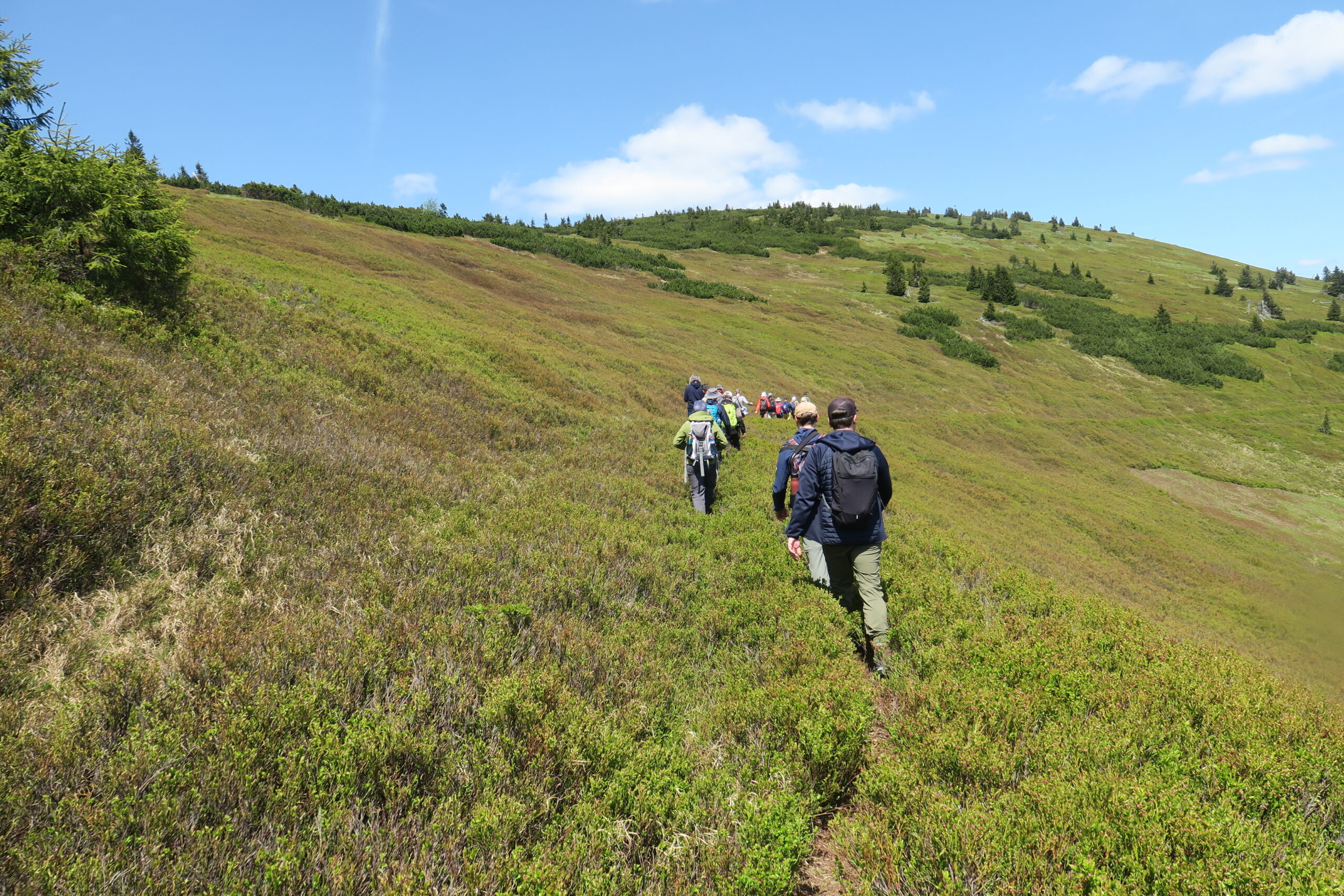
The European Green Belt – a strip of nature extending alongside the past Iron curtain – is in need for restoration. 11 project partners from six EU member states in Central Europe have united in ReCo and worked on the implementation of versatile restoration measures and – since nature does not know the boarders – support of the interconnectivity in this part of Europe in terms of the nature protection.
2
Decline of biodiversity and degraded habitats in need for support
CR Tina Kocjancic
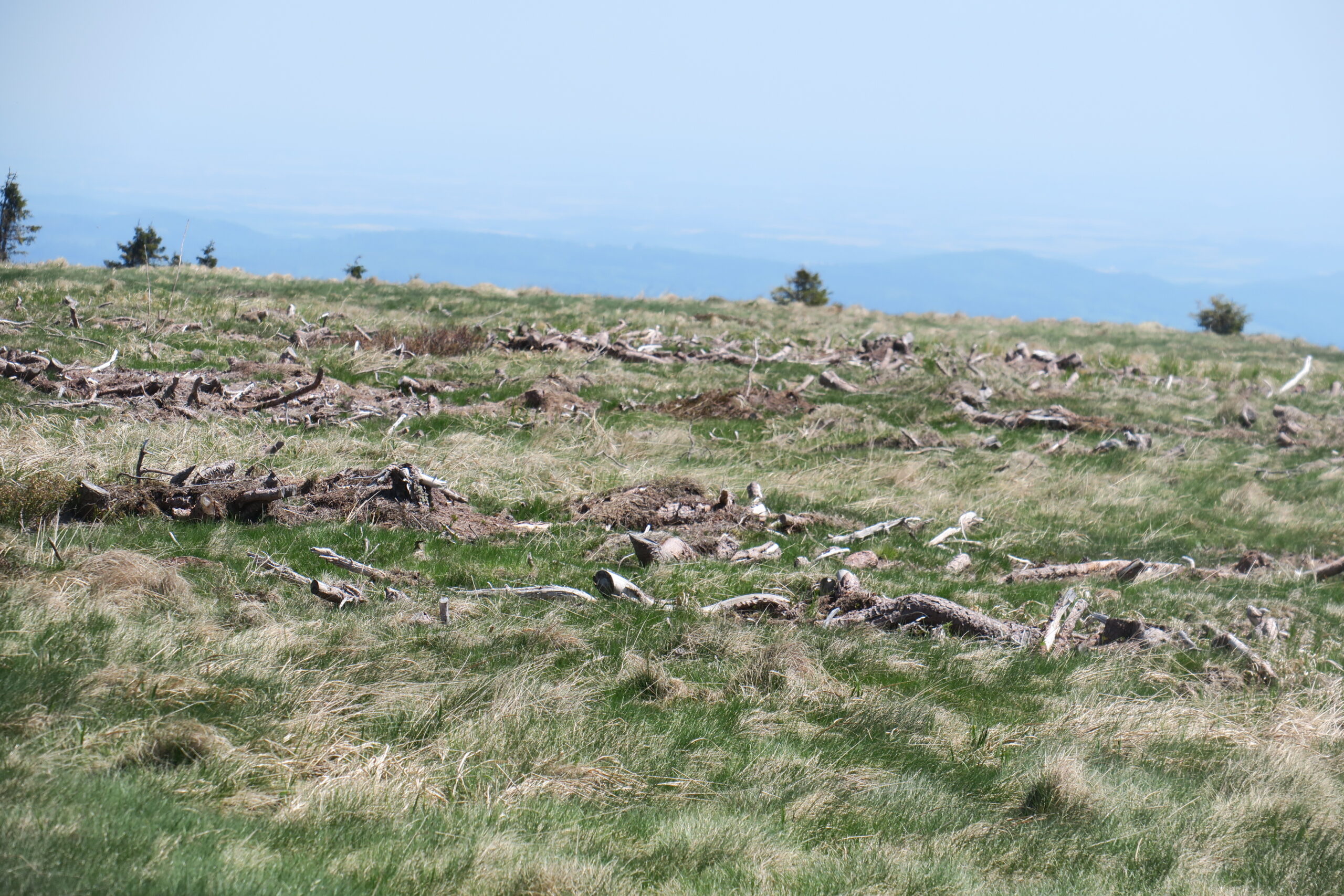
The European Green Belt forms a structurally rich bridge element connecting various valuable habitat types, which are natural home for a wide range of plant and animal species and of great importance in the role of natural carbon sinks for the climate protection. However, due to increasing land use pressure, habitat fragmentation, and climate change this unique network is under threat. Decline in biodiversity and habitat degradation are only some of the consequences of those challenging developments.
3
Development approach based on innovation and community
CR Sonia Pytkowska
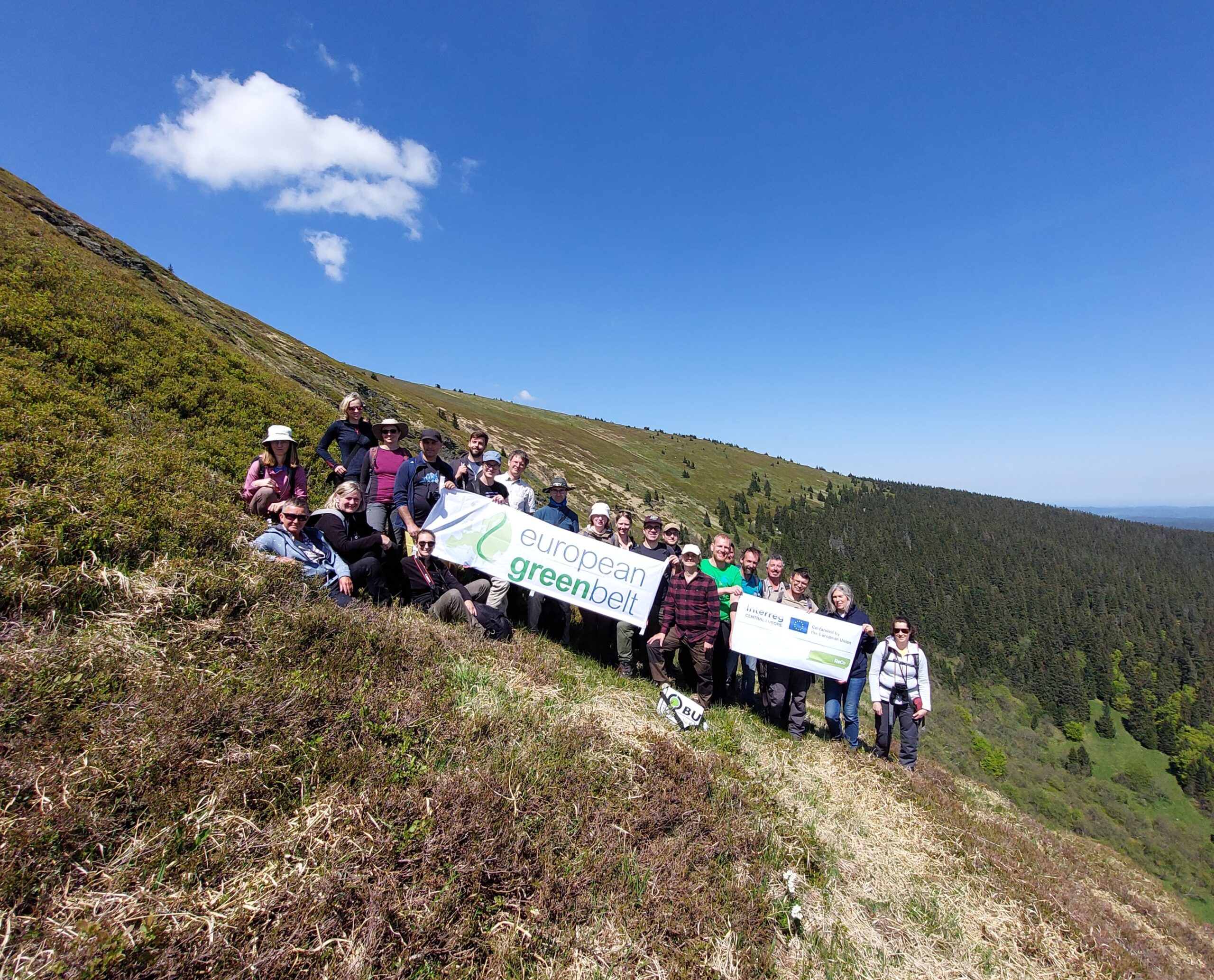
In response, ReCo provided solutions to improve the protection and conservation of habitats along the Central European Green Belt. As up-to-date measures were needed, the project employed innovative geo-information and data processing systems to devise solutions. The partnership also adopted a community-based development approach, encouraging communities to contribute funds and activities towards habitat restoration.
4
Practical implementation of restoration measures
CR Martin Kuba
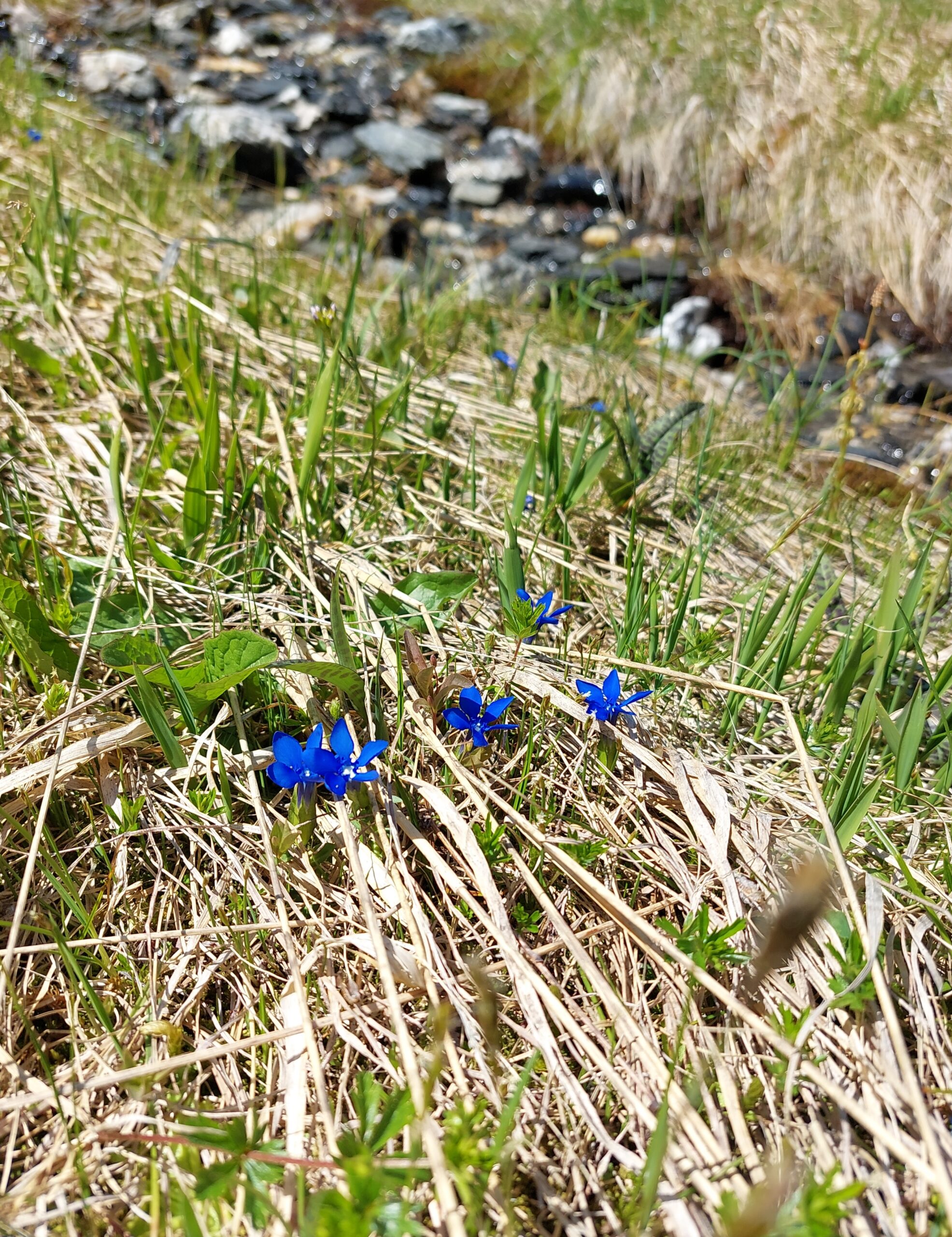
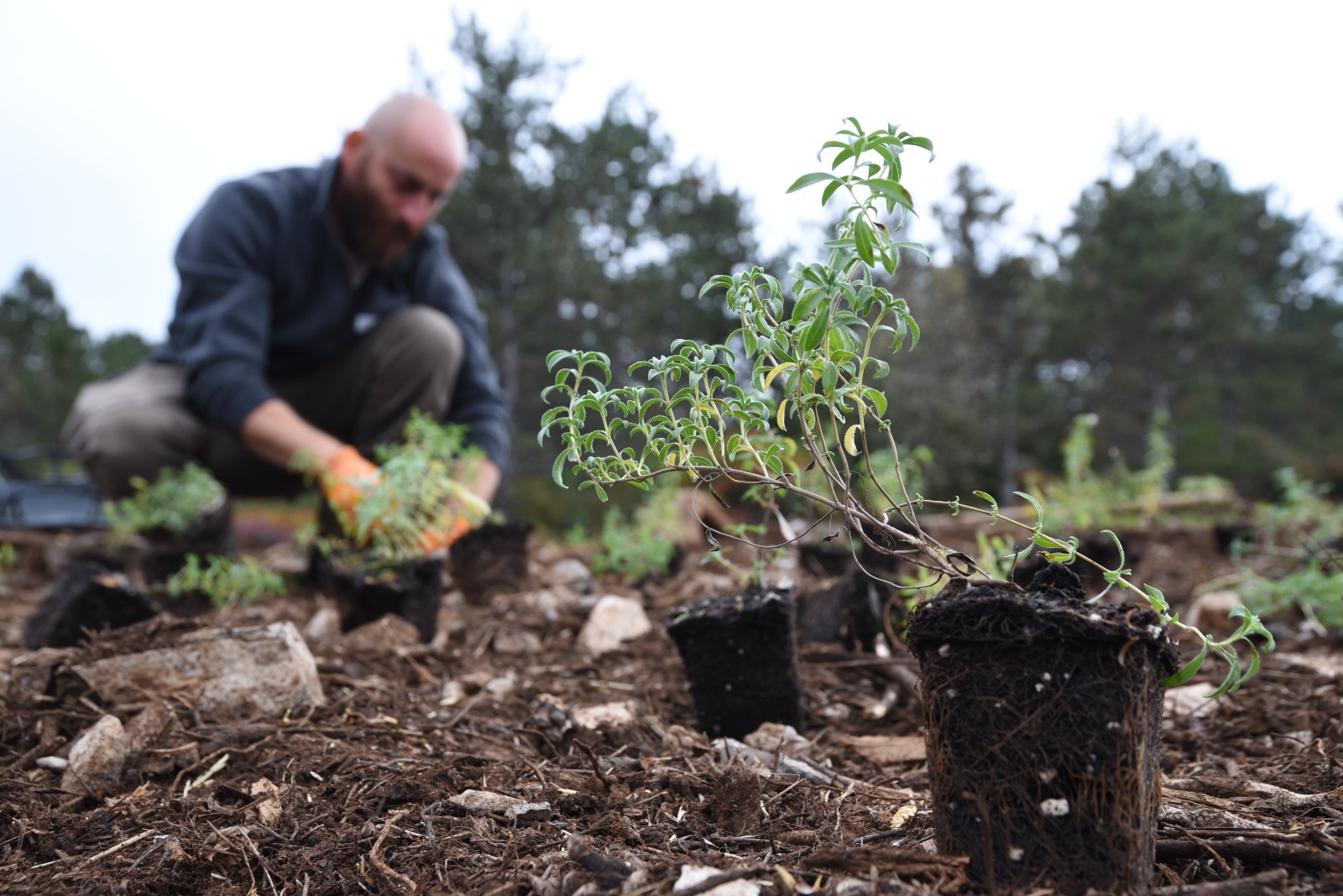
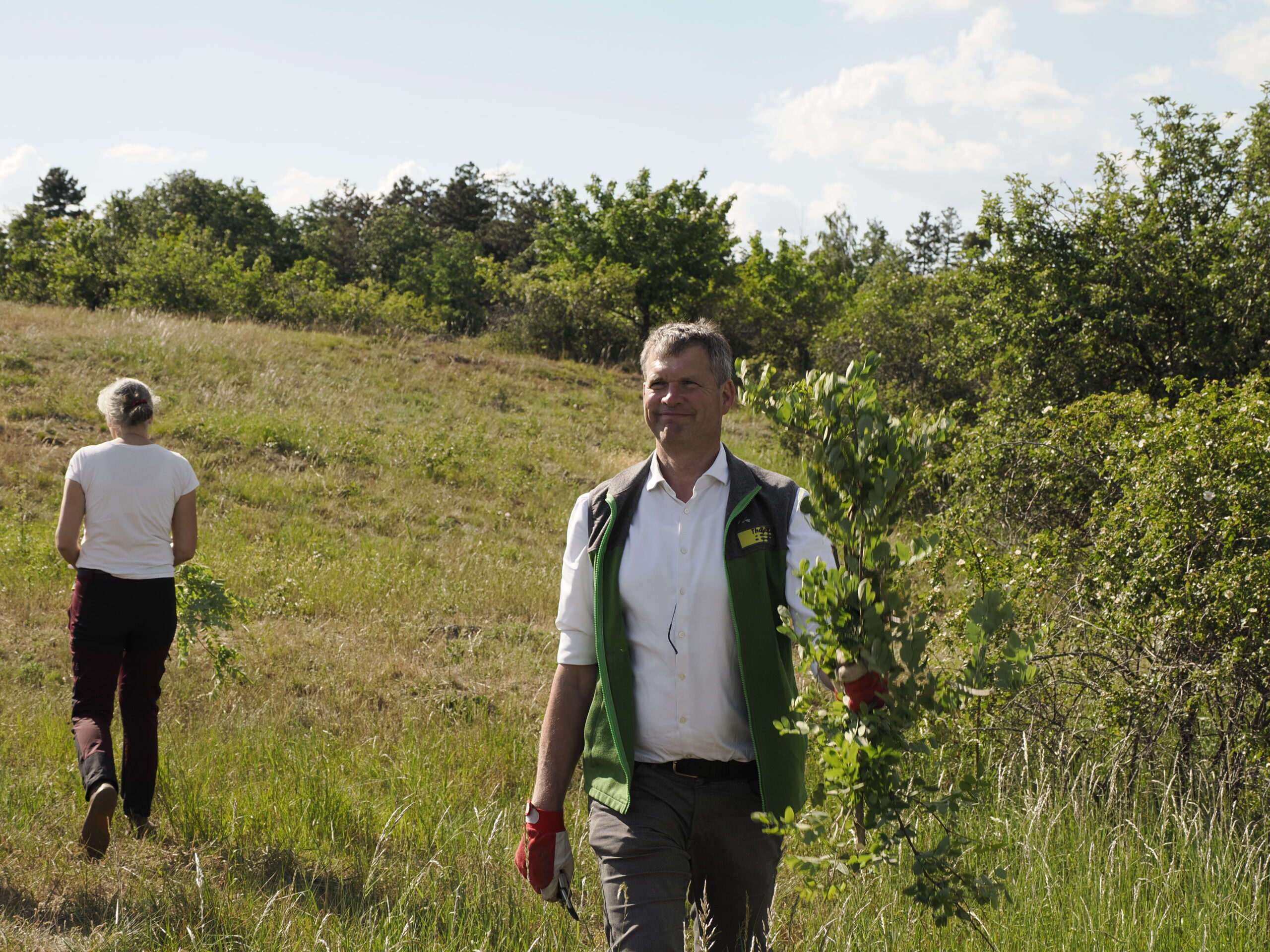
Furthermore, to test and demonstrate up-to-date ecological restoration approaches, enhance ecological connectivity and protect biodiversity, the project partners implemented two Joint Pilot Actions in six regions facing specific ecological challenges. Their goal was to target valuable habitats and species (including NATURA 2000). To maximise community-based leverage effects, restoration investments were accompanied by a series of local stakeholder workshops in the pilot regions.
5
Political mainstreaming and upscaling of achieved results
CR Florian Danzinger
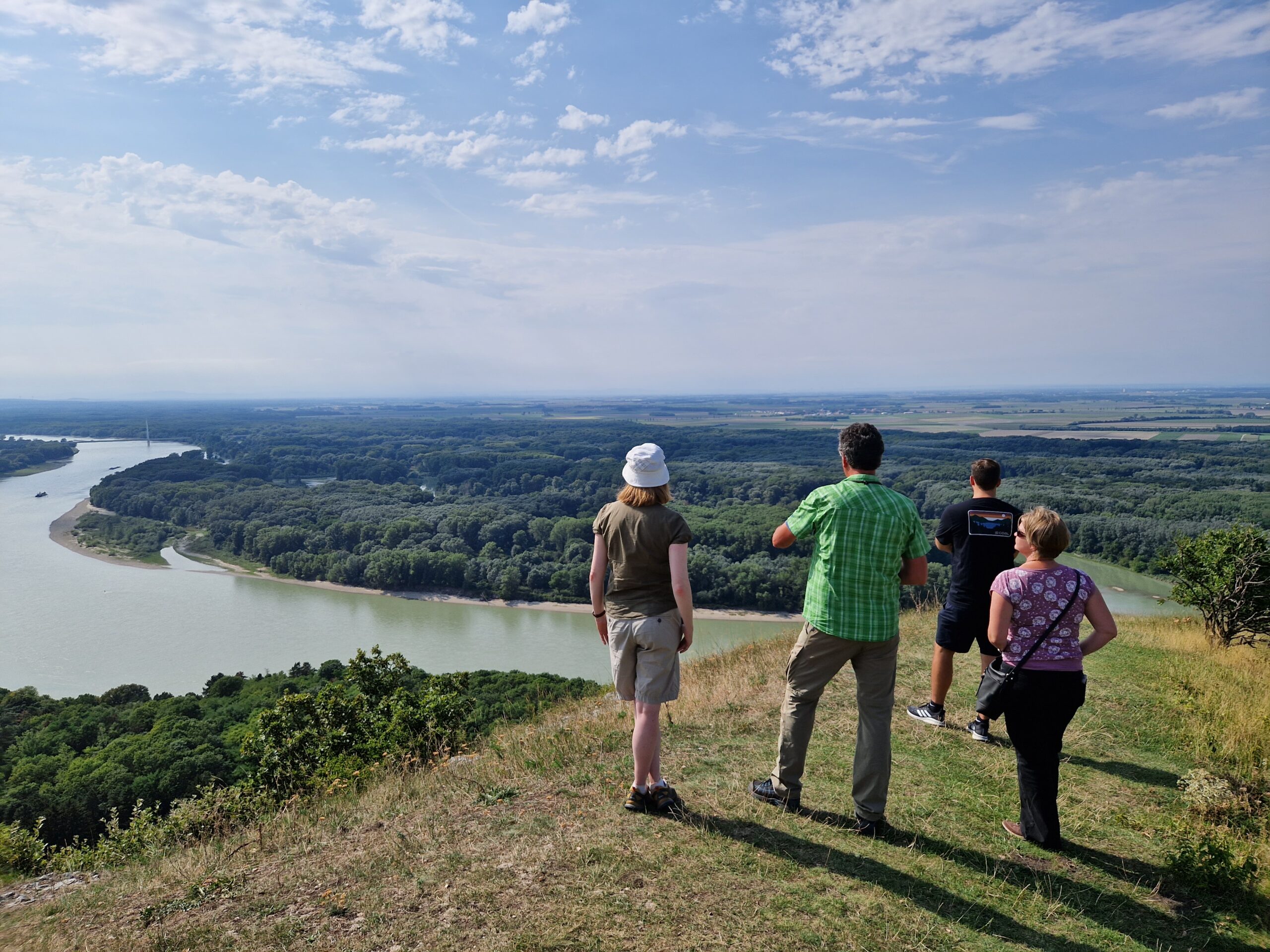
Observations gained through the implementation of the pilot actions were integrated into the key outputs of the project, including the Joint Transnational Restoration & Connectivity Strategy, presenting how, where and under which focus the Central European Green Belt can best contribute to the achievement of national and European nature protection goals; two Joint Practitioners' Guides to support future restoration efforts; and six Joint Local/Regional Restoration Plans describing how to put the project's findings into practice at local and regional level. To ensure the roll-out of the project results at national and especially EU level, the project outputs and results were mainstreamed into political work by presenting the European Green Belt as a priority region for the implementation of the EU Biodiversity Strategy 2030.
News



Events

Pilot actions
Outputs
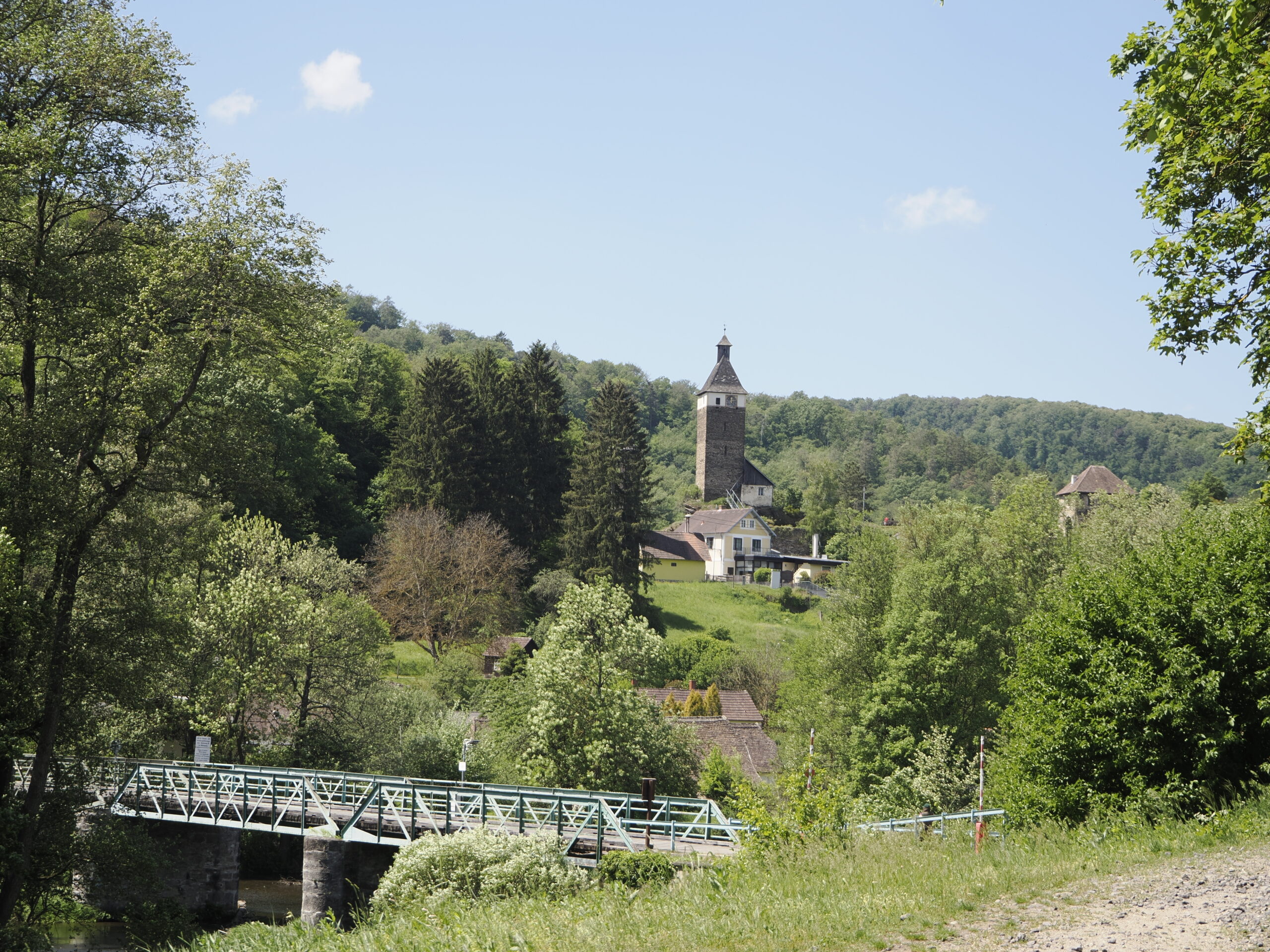
Interreg CE_ReCo Project_Transnational Strategy
Transnational Restoration and Connectivity Strategy for the European Green Belt
The ReCo Transnational Restoration and Connectivity Strategy for the European Green Belt in Central Europe defines concrete activities and key areas for future actions and investments to further restoration and connectivity functions in the European Green Belt. Besides defining concrete strategical actions for managing and developing the European Green Belt during the coming decade, it contains a set of carefully selected existing example activities that have already been realized. These can serve as an easy to use toolbox for future activities.
Type of output: Strategies and action plans
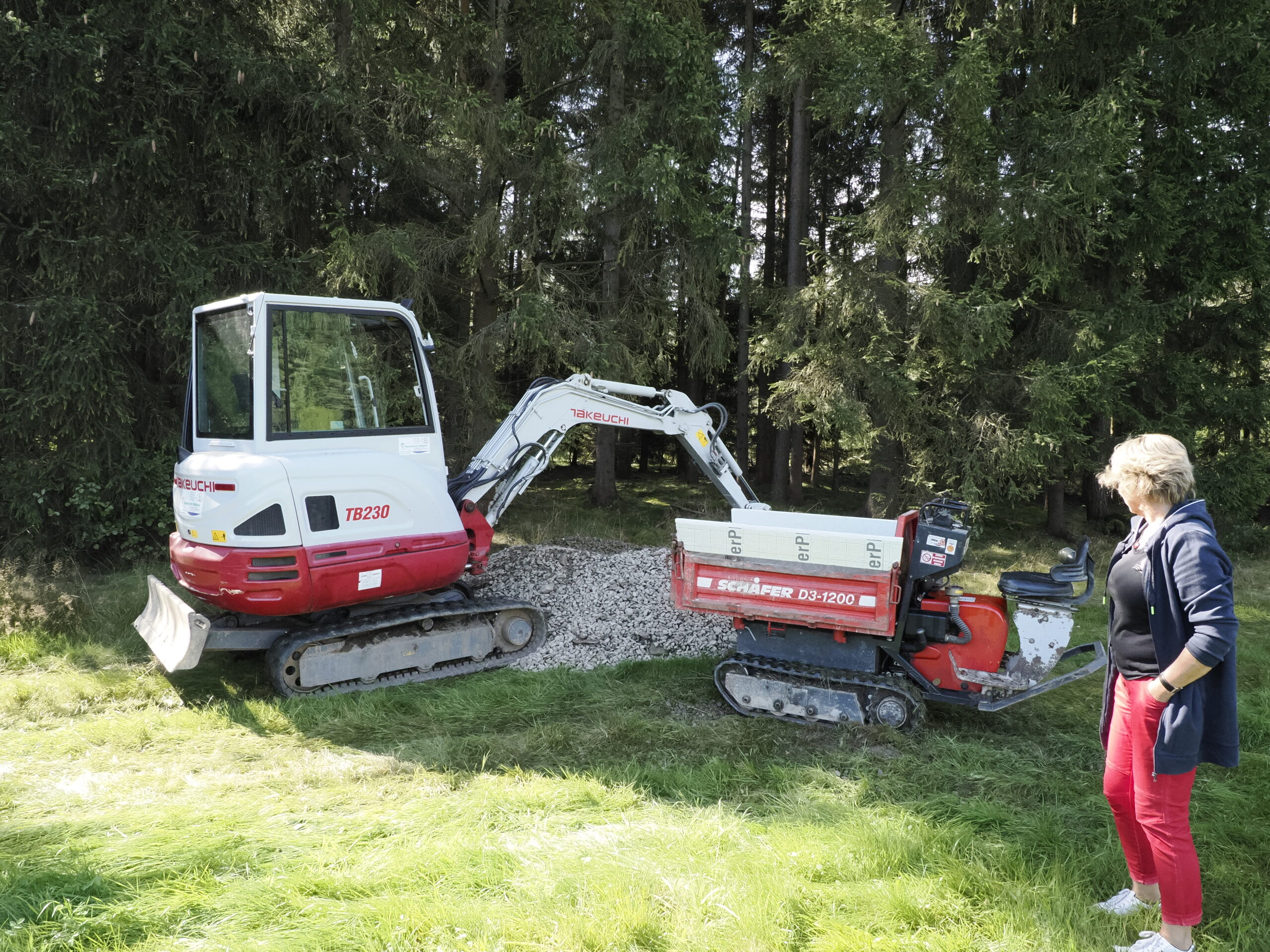
Interreg CE_ReCo project_Practitioners Guides
Practicioners' Guides on ecological habitat restoration and effective species conservation
Two Joint Practicioners' Guides on restoration activities targeted on habitats and species sum up strategical recommendations from the implementation of ReCo's pilot actions. The guides give both general and concrete recommendations on ecological restoration.
Type of output: Solutions
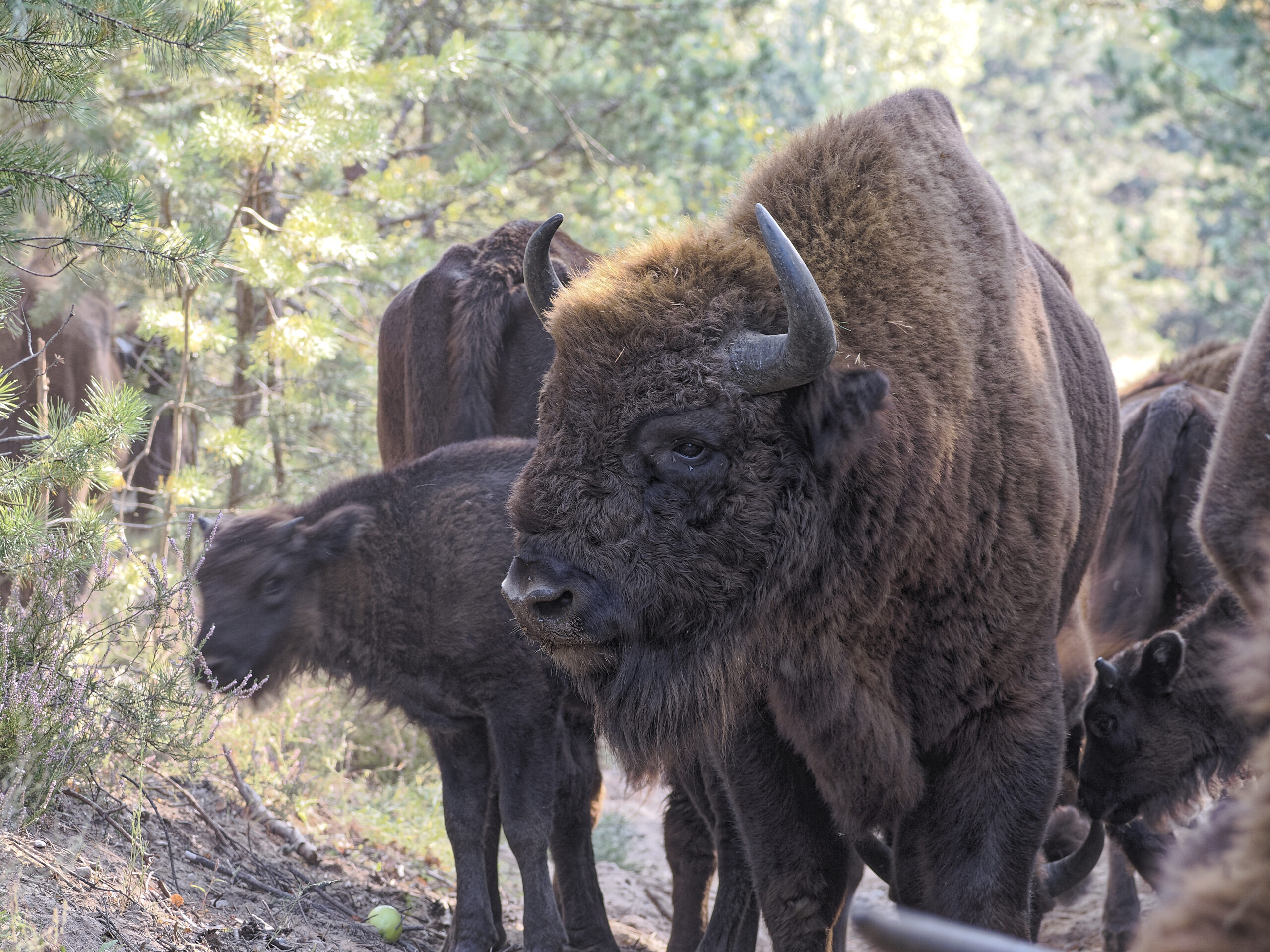
Interreg CE_ReCo project_Restoration Plans
Regional restoration and connectivity plans
These jointly developed local/regional restoration plans identify suitable activities and areas for future restoration measures promoting connectivity of valuable habitats in the six selected sections of the Central Europe Green Belt, including adjacent valuable areas. This contributes to an improved biodiversity and ecological status of the whole area. The regional plans were endorsed by various regional stakeholders in the ReCo regions where restoration activities have been undertaken.
Type of output: Strategies and action plans
- Local/Regional Restoration Plan (Species): Ińsko Lakeland, Poland (2025)
- Local Regional Restoration Plan (Habitats): Fichtelgebirge/Smrčiny, Germany & Czechia (2025)
- Local/Regional Restoration Plan (Species): Thayatal/Podyjí, Austria & Czechia (2025)
- Local Regional Restoration Plan (Habitats): Gorenjska Region, Slovenia (2025)
- Local Regional Restoration Plan (Habitats): Miramare, Italy (2025)
- Local Regional Restoration Plan (Habitats): Skocjanski Zatok, Slovenia (2025)
Project videos
Project documents
Strategic documents
ReCo Transnational Restoration and Connectivity Strategy for the European Green Belt in Central Europe (2025)
Transnational Restoration and Connectivity Strategy for the European Green Belt in Central
Europe (Poland to Croatia)
Local/Regional Restoration Plan (Species): Ińsko Lakeland, Poland (2025)
Local/Regional Restoration Plan (Species): Ińsko Lakeland, focusing on European Bison
Local Regional Restoration Plan (Habitats): Fichtelgebirge/Smrčiny, Germany & Czechia (2025)
Local/Regional Restoration Plan (Habitats) Fichtelgebirge/Smrčiny, focusing on streams and wet meadows
Local/Regional Restoration Plan (Species): Thayatal/Podyjí, Austria & Czechia (2025)
Local/Regional Restoration Plan (Species): Thayatal/Podyjí, focusing on European Wildcat
Local Regional Restoration Plan (Habitats): Gorenjska Region, Slovenia (2025)
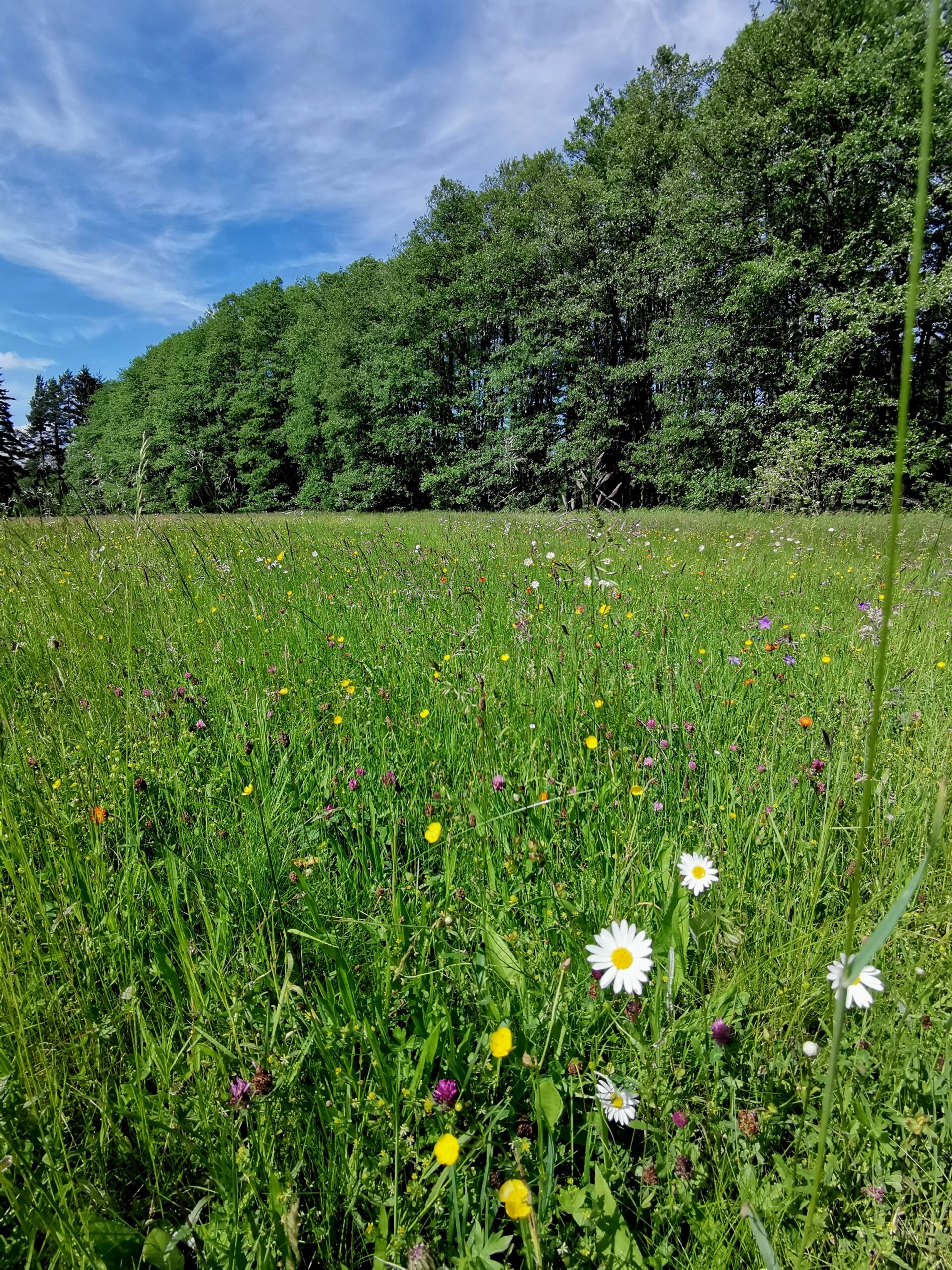
Local Regional Restoration Plan (Habitats) Gorenjska Region, focusing on montane and alpine meadows
Local Regional Restoration Plan (Habitats): Miramare, Italy (2025)
Local Regional Restoration Plan (Habitats) Miramare, focusing on karst grasslands
Local Regional Restoration Plan (Habitats): Skocjanski Zatok, Slovenia (2025)
Local Regional Restoration Plan (Habitats) Skocjanski Zatok, focusing on coastal lagoon ecosystems
Transnational and regional proposals for targeted restoration actions (2024)
Strategical considerations drawn from GIS analysis of pilot areas
Practical Guides and Best Practices
Practicioners’ Guide – Ecological restoration for habitat development (2025)
Strategical lessons learned on habitat protection
Practicioners’ Guide – Restoration to promote NATURA 2000 (priority) species (2025)
Strategical lessons learned on species management and protection
Handbook on 2 good practices of ecological restoration and interconnectivity (2023)
Study visit results on two good practices in the Czech Republic
ReCo Joint Pilot Actions
ReCo Pilot Action Contacts (2026)
Contact persons for information on Pilot Actions
Pilot Action Fact Sheet Ińsko Lakeland (2025)
Fact sheet on the Pilot Action in Ińsko Lakeland in Poland, focused on species protection and management
Pilot Action Fact Sheet Fichtelgebirge-Smrčiny (2025)
Fact sheet on the Pilot Action in Fichtelgebirge/Smrčiny, Germany and Czech Rebublic, focused on habitat restoration
Pilot Action Fact Sheet Thayatal-Podyjí (2025)
Fact sheet on the Pilot Action in Thayatal-Podyjí, Austria and Czech Republic, focused on species protection and management
Pilot Action Fact Sheet Gorenjska Region (2025)
Fact sheet on the Pilot Action in Gorenjska region in Slovenia, focused on habitat restoration
Pilot Action Fact Sheet Škocjanski Zatok (2025)
Fact sheet on the Pilot Action in Škocjanski zatok in Slovenia, focused on habitat restoration
Pilot Action Fact Sheet Miramare and Coast of Trieste Biosphere Reserve (2025)
Fact sheet on the Pilot Action in Miramare and Coast of Trieste Biosphere Reserve, Italy, focused on habitat restoration
Transnational Atlas for six ReCo Pilot Regions (2024)
Geographical survey of habitat types, potential restoration hotspots and ecosystem service capacity in the six Pilot Regions
Transnational and regional GIS survey (2024)
Explanation of the geographical data, historical data and methodology used to compile the "Transnational Atlas"
Categorization of common challenges through Pilot Region Fiches (2023)
Fact sheets (ecological value, project partner, challenges) for each Pilot Region and summary of commonalities
ReCo Pilot Regions Overview Map (2023)
Map of the extended pilot regions in the context of the European Green Belt
Peer Review Visits to Pilot Regions
Joint Peer Review Report Miramare (2025)
Peer Review report for Miramare and Coast of Trieste Biosphere Reserve
Work Paper Learning From Peer Reviews (2025)
Summary of results from the peer review visits: lessons and recommendations for possible future projects
Joint Peer Review Reports on Peer Reviews of ReCo Pilot Regions (2025)
Reports of the preparation, agenda, participants, implementation and results of each peer review visit
Online Peer Review Training for Joint Pilot Team Members (2024)
Agenda, participants and presentation slides from the peer review training course
Joint Peer Review Methodology for Peer Review Trips (2024)
Guidelines and best practices to be employed for the peer review visits
--- ReCo CONFERENCES & WORKSHOPS ---
ReCo Online Scientific Conference, 5. Dec 2025
Enhancing Biodiversity & Interconnectivity by Ecological Restoration
Book of Abstracts
Book of Abstracts of the online scientific conference "Enhancing biodiversity & interconnectivity by ecological restoration"
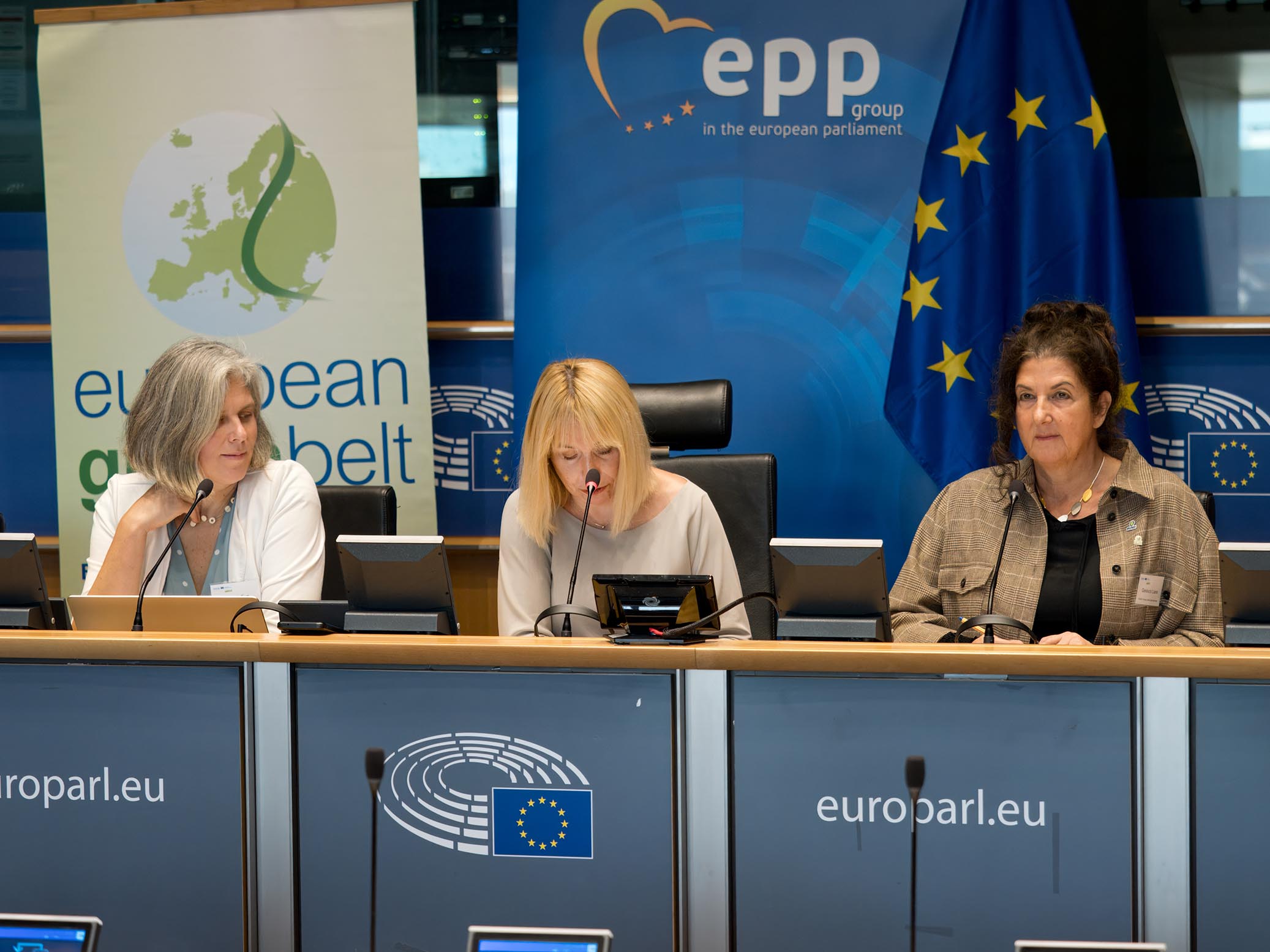
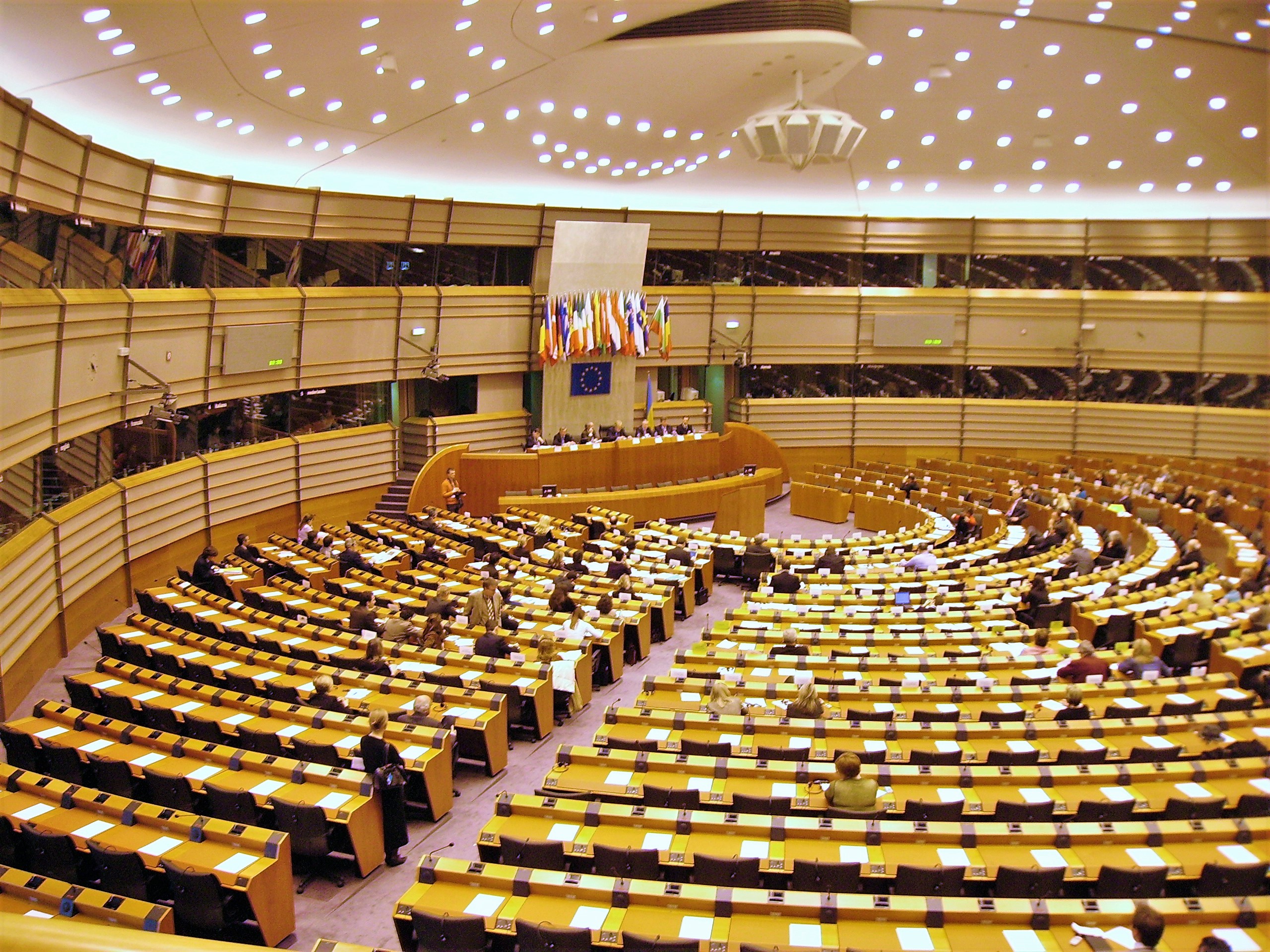
EU Policy Conference, Brussels, 5. Nov 2025
The European Green Belt – A Model for Biodiversity and European Cooperation
Agenda
Conference agenda The European Green Belt - A Model for Biodiversity and European Cooperation, 5 Nov 2025
Conference Summary
The European Green Belt – A Model for Biodiversity and European Cooperation: Conference Summary
Online Transnational Focus Workshop, 28. Feb 2025
Supporting Biodiversity Conservation Along the European Green Belt - Targeted Restoration Measures for Endangered Species
Online Transnational Focus Workshop, 21. Feb 2025
Enhancing Ecological Connectivity through Habitat Restoration – Key Insights and Lessons from the ReCo Project
--- ReCo-RELATED EXTERNAL PUBLICATIONS ---
Scientific Articles
Bojana Lipej (2025): Reviving Landscapes, Connecting Species: Lessons from the ReCo Project
Annals for Istrian and Mediterranean Studies 35(2): 383-386
Project images
ReCo
The project lead partner is responsible for the content of this project website.
Project on social media
Project contact
Jörg Schmiedel