Project overview
Circular solutions for keeping food waste out of Central Europe's schools
Food waste has negative social, environmental, and economical impacts. It is estimated that about 20% of all food produced is wasted in the EU every year - and school canteens even throw away up to 70% of their prepared meals. The foodCIRCUS project works with schools to minimize this food waste. It promotes food waste prevention, and explores innovative circular methods like repurposing waste for insect feeding or generating lactic acid for bioplastics. Their approaches have the potential to revolutionise waste management in schools to make them more sustainable.
-
1,93m €
-
Project Budget
-
80%
-
of the Budget is funded by ERDF
-
5
-
Countries
-
7
-
Regions
-
10
-
Partners
-
9
-
Pilots
Duration
Start date
End date
Project progress
Project partnership
Project partners
Lead partner
University of Natural Resources and Life Sciences, Vienna
Department of Water, Atmosphere and Environment; Institute of Waste Management and Circularity
Project partner
Department of Applied Bioeconomy
Centre for Energy and Environmental Technologies/IET Centre/ENET Centre
Faculty of International Relations Department of International Business
registered association
Department of Environmental Protection Engineering
Sustainable Development Department Funds Management Division
Institute of Food Chain Science Department of Applied Food Science
Dipartimento di Scienze e Tecnologie Agro-Alimentari
Roadmap
Understanding the challenge
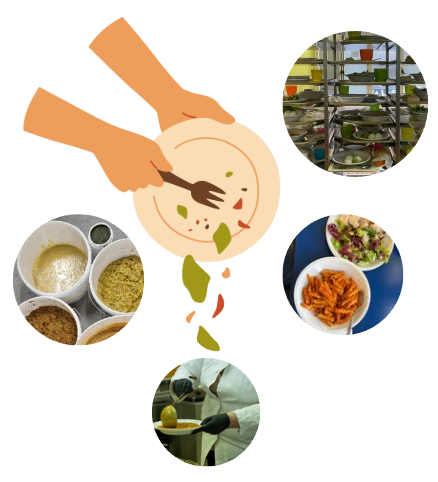
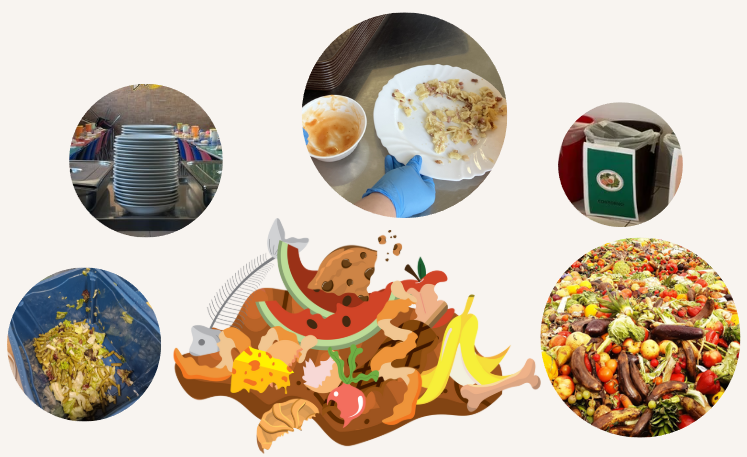
Thousands of tons of food waste are generated every day in Europe’s schools – initial data show that in some cases up to 70% of the food delivered or prepared ends up being discarded at the end of the day. On average one third of all food served in schools is lost! It is a tragedy on many levels – environmental, social, and economic – as valuable resources are lost, money is wasted, and the educational value is overlooked. There are even more bad news: Not only significant amounts of food waste are generated – additionally much of it ends up in landfills instead of being efficiently processed or reused. Why is that happening? At the one hand there is simply a lack of awareness on the other hand, especially when it comes to children, everyone involved is tempted not to offer too less food, which tends to lead to over-ordering and over-production. Additionally, we are facing a complex system of regulations, different providers of school meals and the realities and routines in schools – and last but not least, parents and children also influence the dynamics.
Building a strong foundation
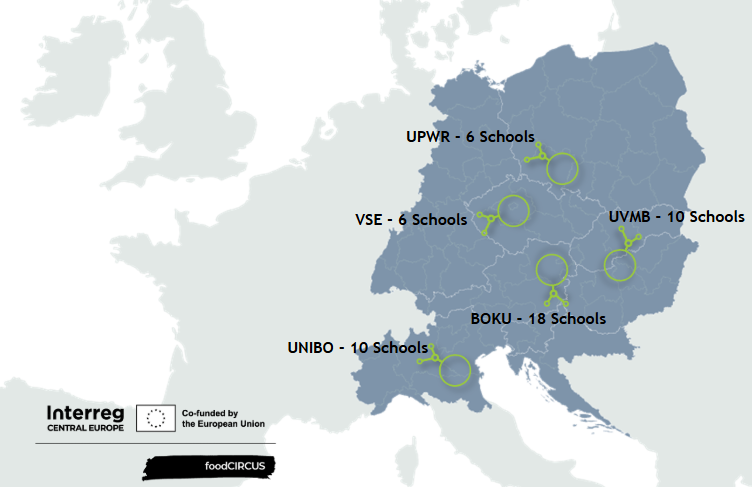
By collecting data on food waste from 50 schools and kindergartens across Central Europe, we gain valuable insights into waste patterns and organizational practices across all actors involved. From overproduction to lack of flexibility and from different serving systems to legal requirements – we will shed light on the reasons that lead to food waste in schools. This knowledge now serves as the evidence base for designing effective solutions – with foodCIRCUS we aim to cut waste in schools by up to 25% !
Testing innovative ideas
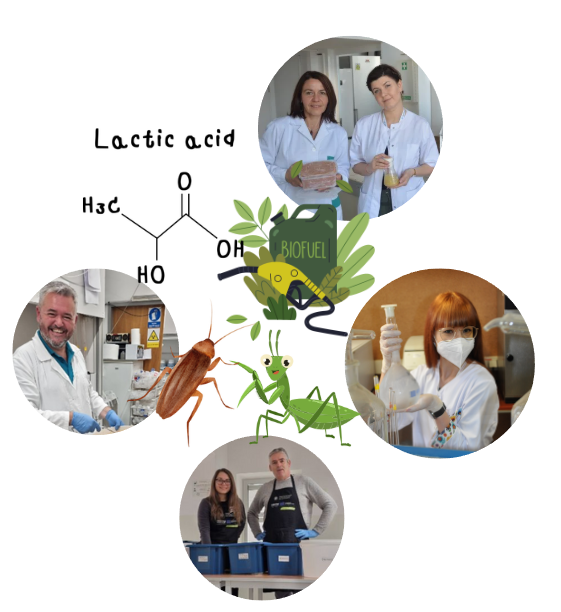
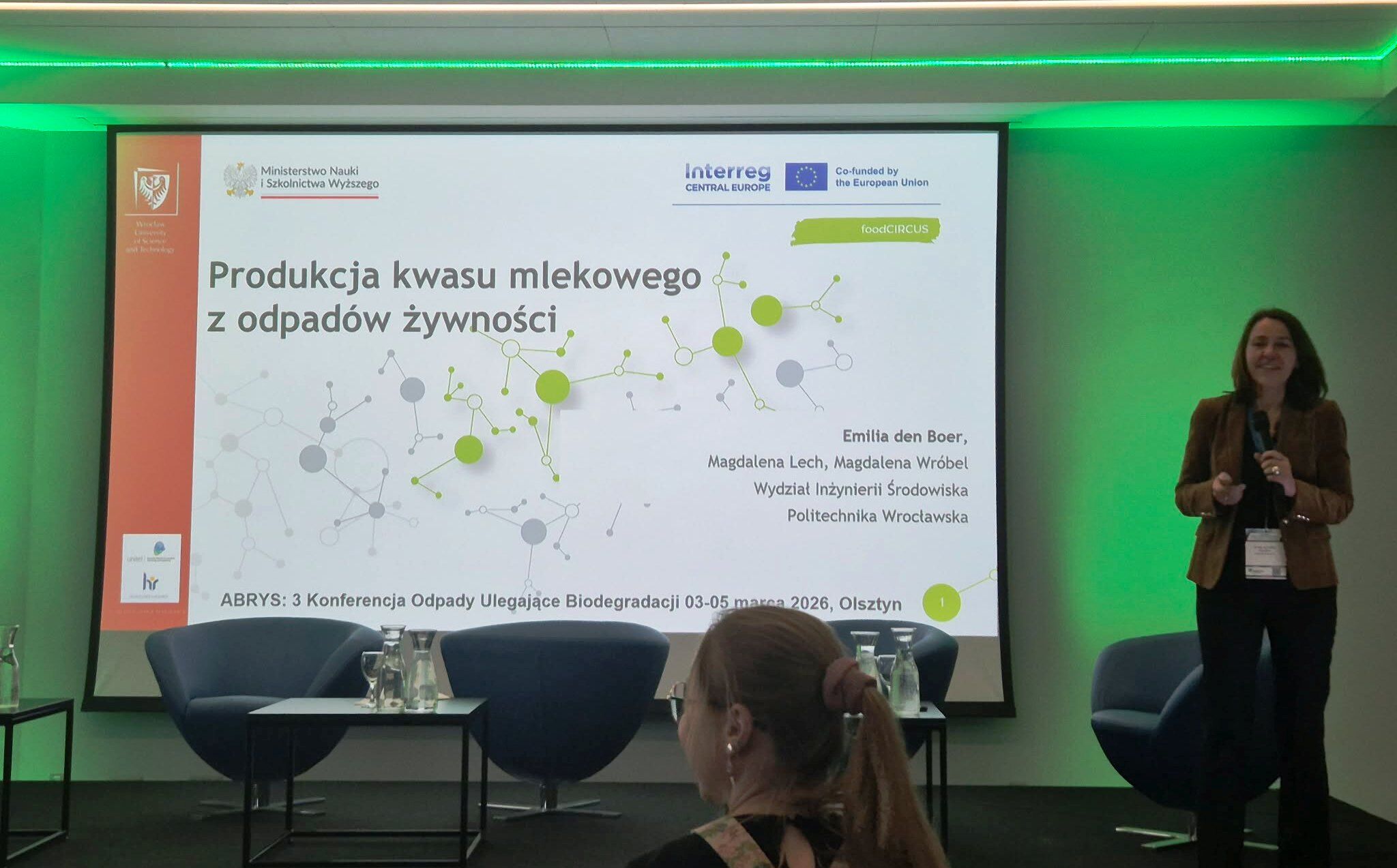
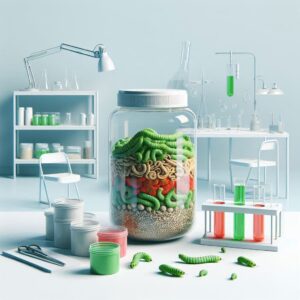
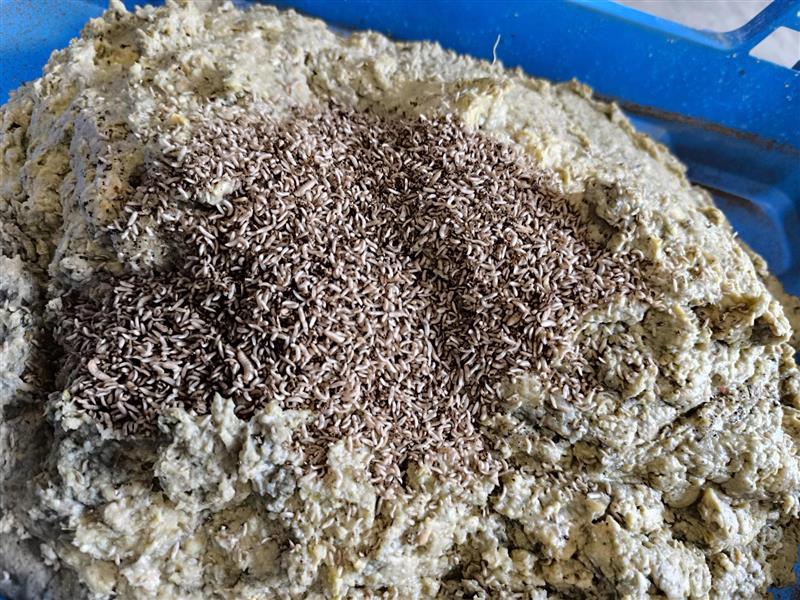
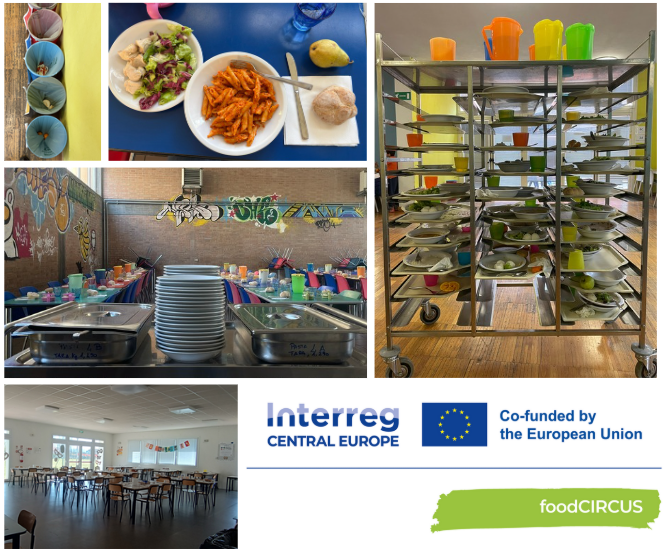
Pilot actions in Italy, Austria, Poland, the Czech Republic, and Hungary will explore practical ways to reduce waste. From smarter menu planning and flexible portion sizes we will support school kitchens and caterers in reducing food waste while at the same time finding safe and simple ways to redistribute overproduction to charitable organizations. School food is too good to be wasted – however, not all food waste in schools can be avoided. That’s why foodCIRCUS is also testing innovative ideas to manage unavoidable leftovers. These include transforming food scraps into biogas for renewable energy, producing bioplastics from organic residues, or using surplus as a sustainable feed for insects. In this way, even what cannot be eaten is given a second life – turning waste into a valuable resource.
Turning lessons into guidelines
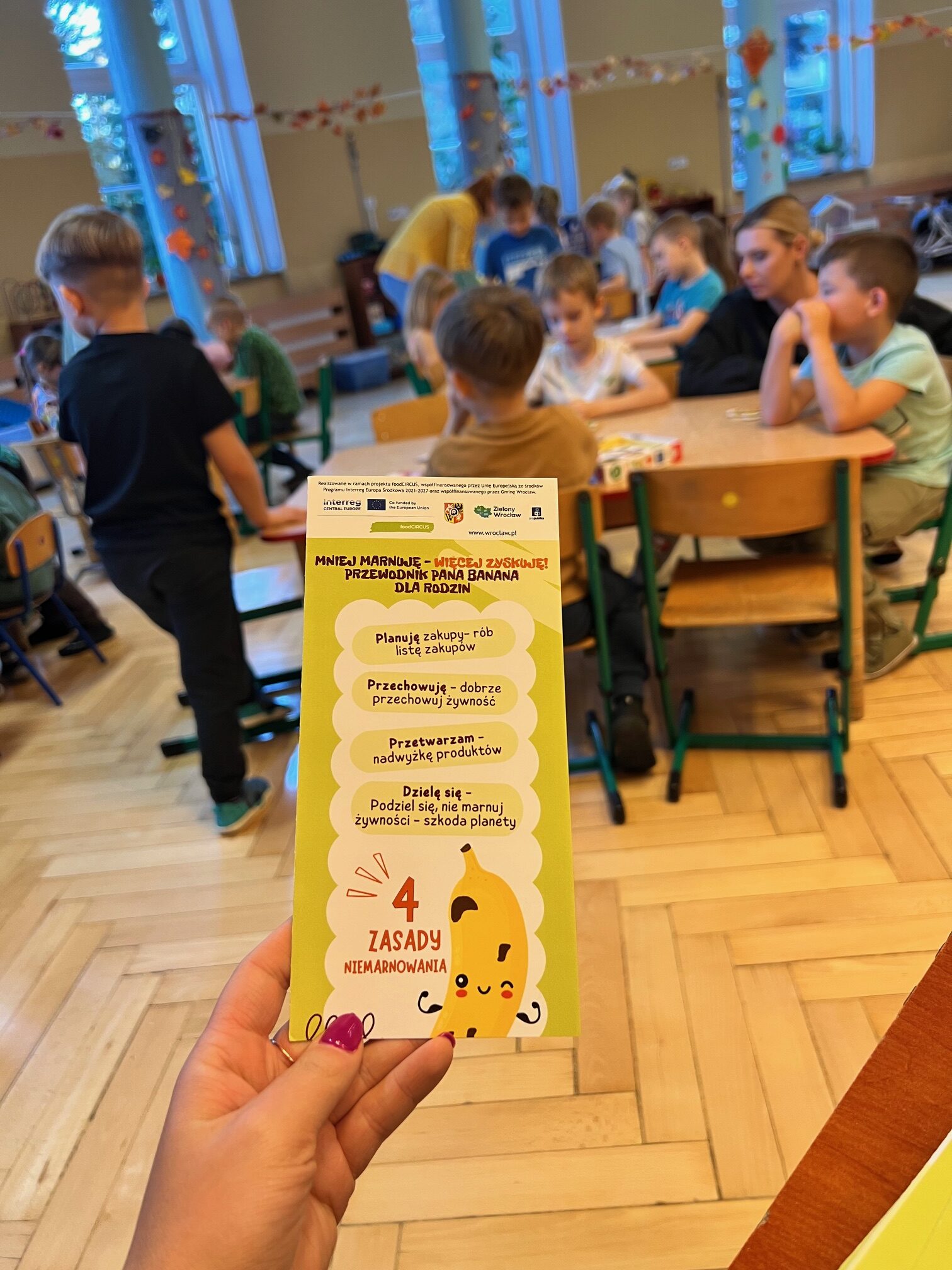
What we learn in our pilots won’t stay on paper – it will turn into ready-to-use solutions and together they shape two powerful guideline sets: “Schools against Food Waste” with tailor-made measures for schools and kindergartens, and “Circular Solutions for School Food Waste” for SMEs and authorities. Developed hand-in-hand with school authorities, these tools are made for real classrooms and real kitchens – and will be rolled out across Central Europe through our partner network.
Spreading the impact
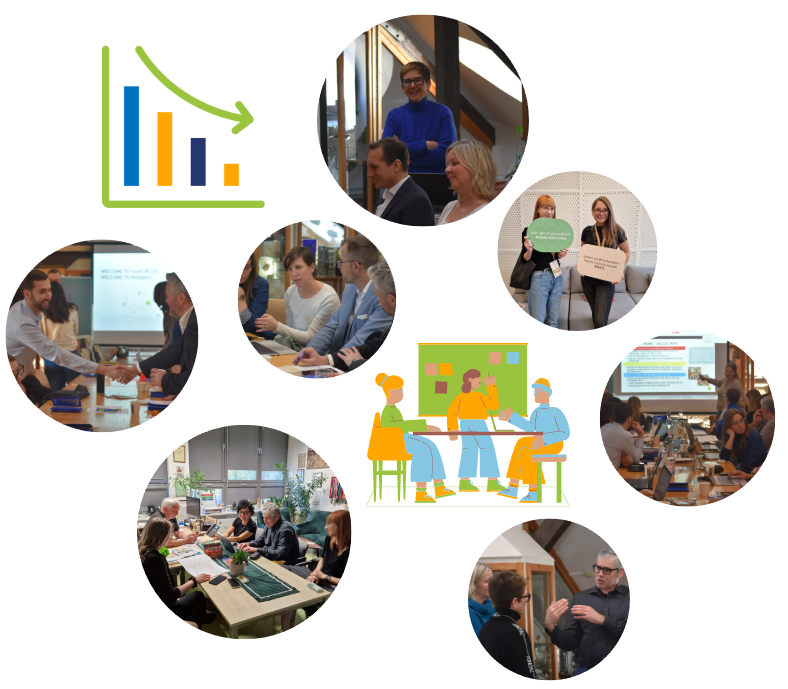
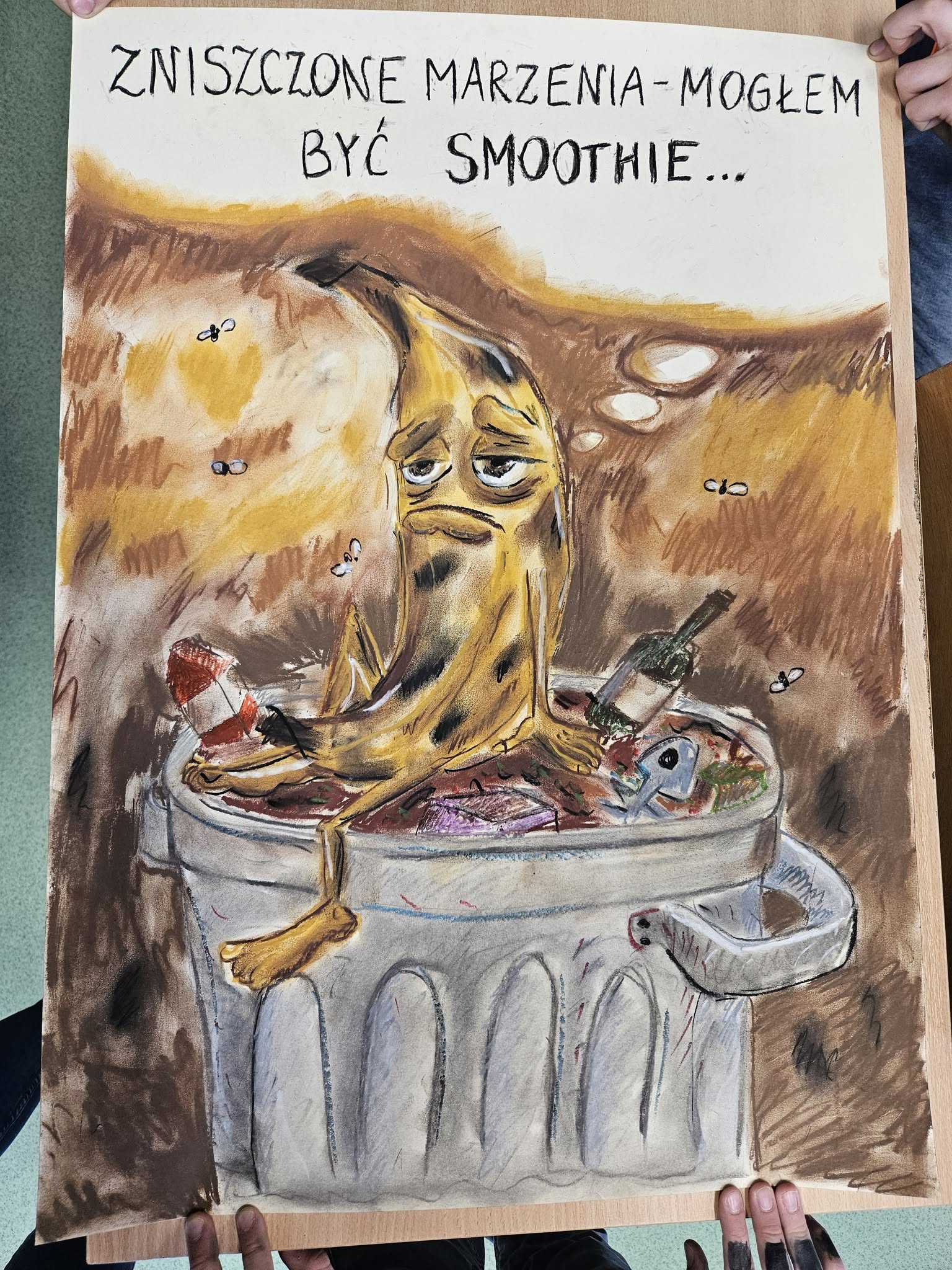
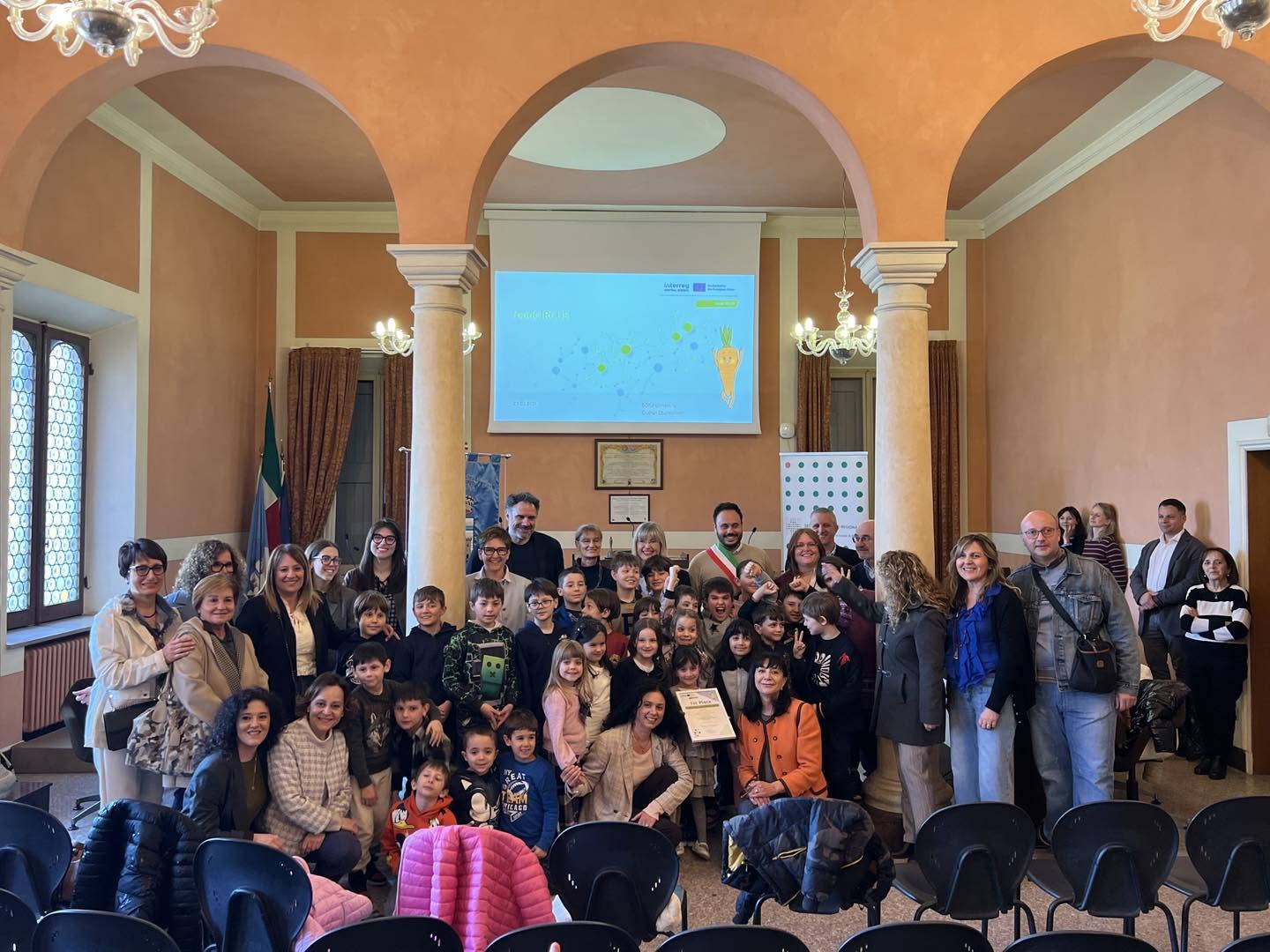
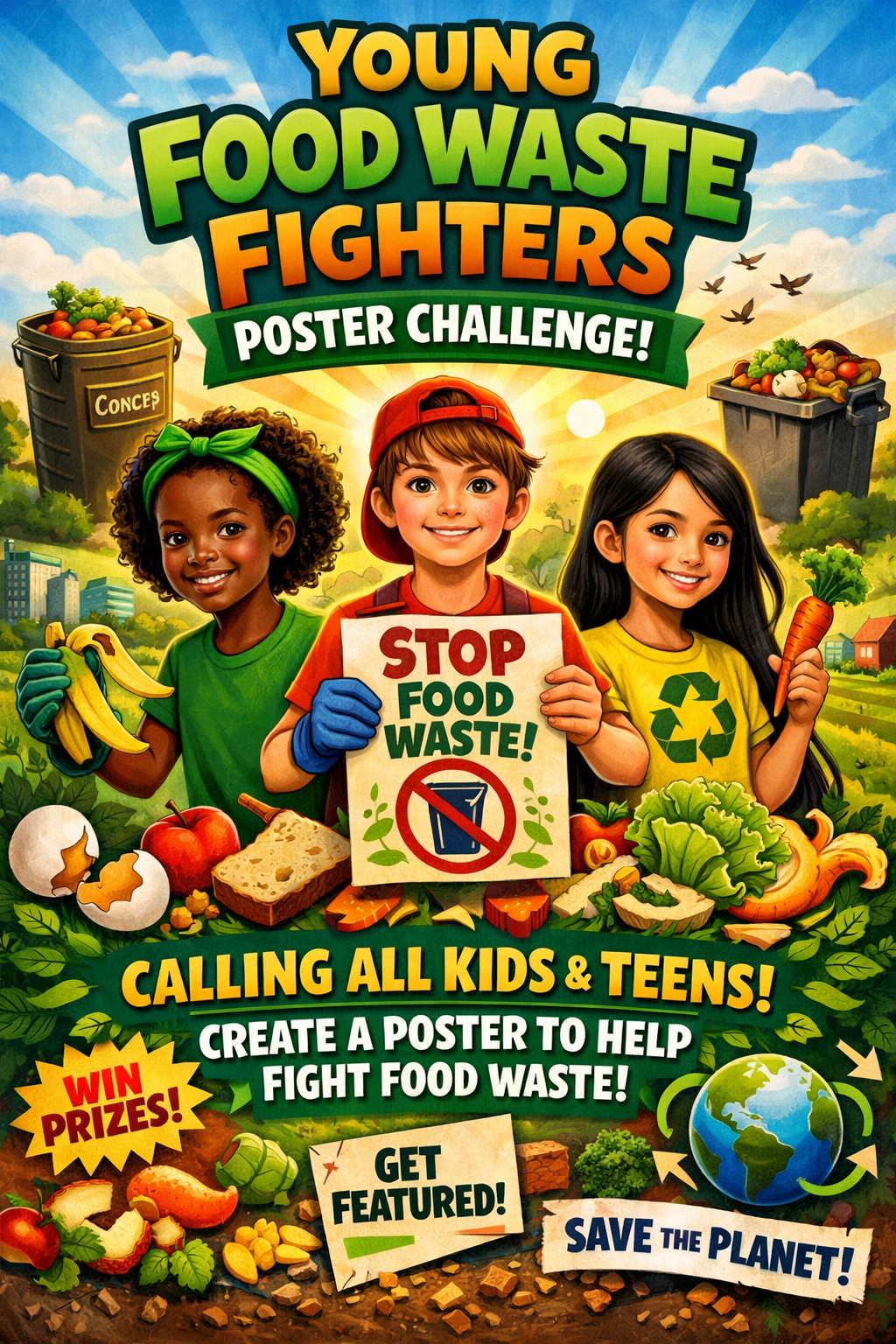
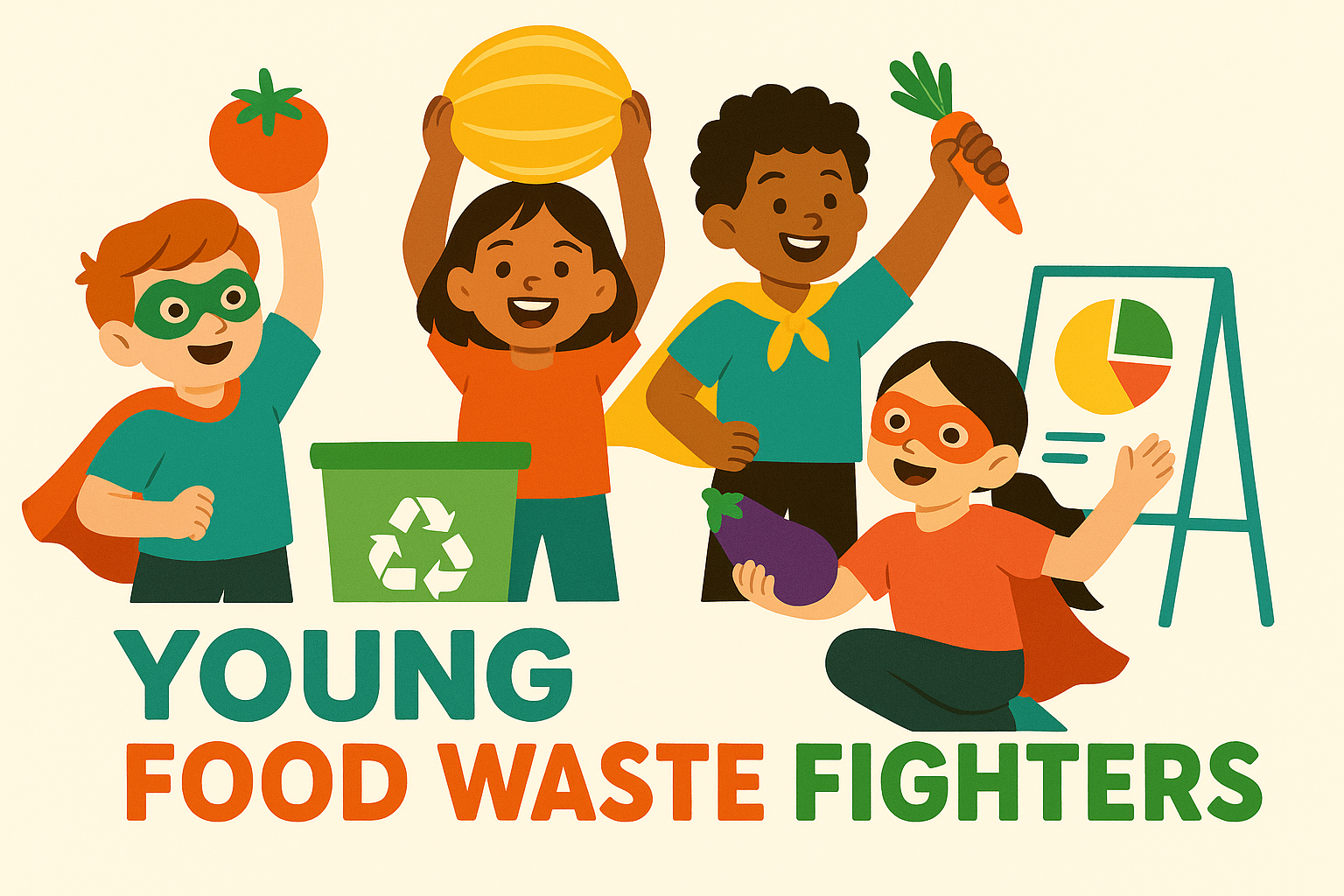
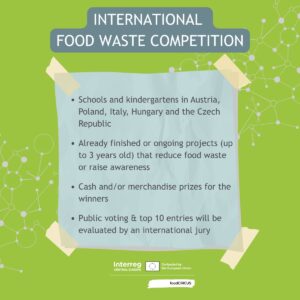
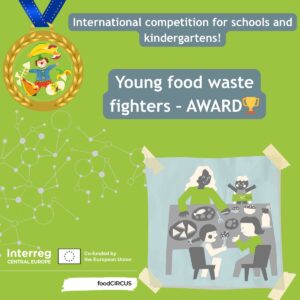
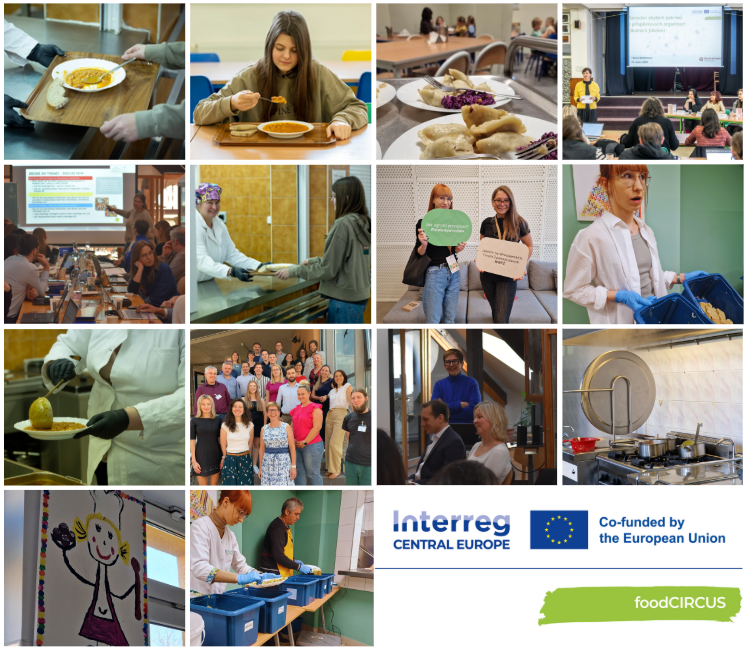
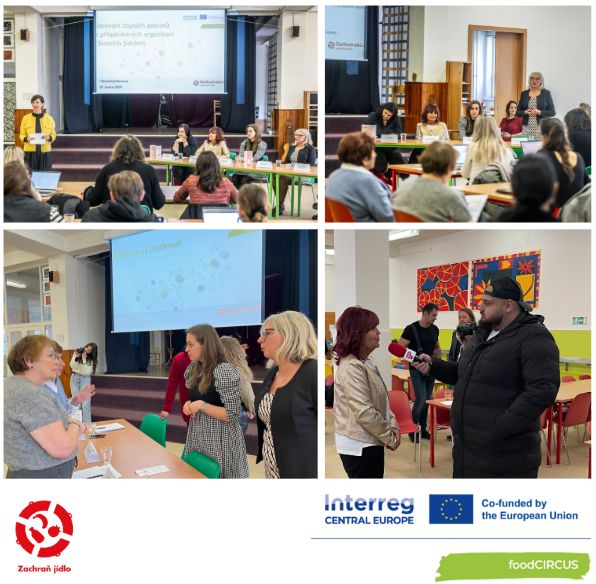
foodCIRCUS brings everyone to the table – from schools and caterers to policy-makers. Together, they can host pilot installations, join transnational workshops, and share experiences at our closing conference. And because great efforts deserve recognition, schools and kindergartens can showcase their achievements by joining the Young Food Waste Fighters Award. Let’s fight food waste together – and turn ideas into action!
News
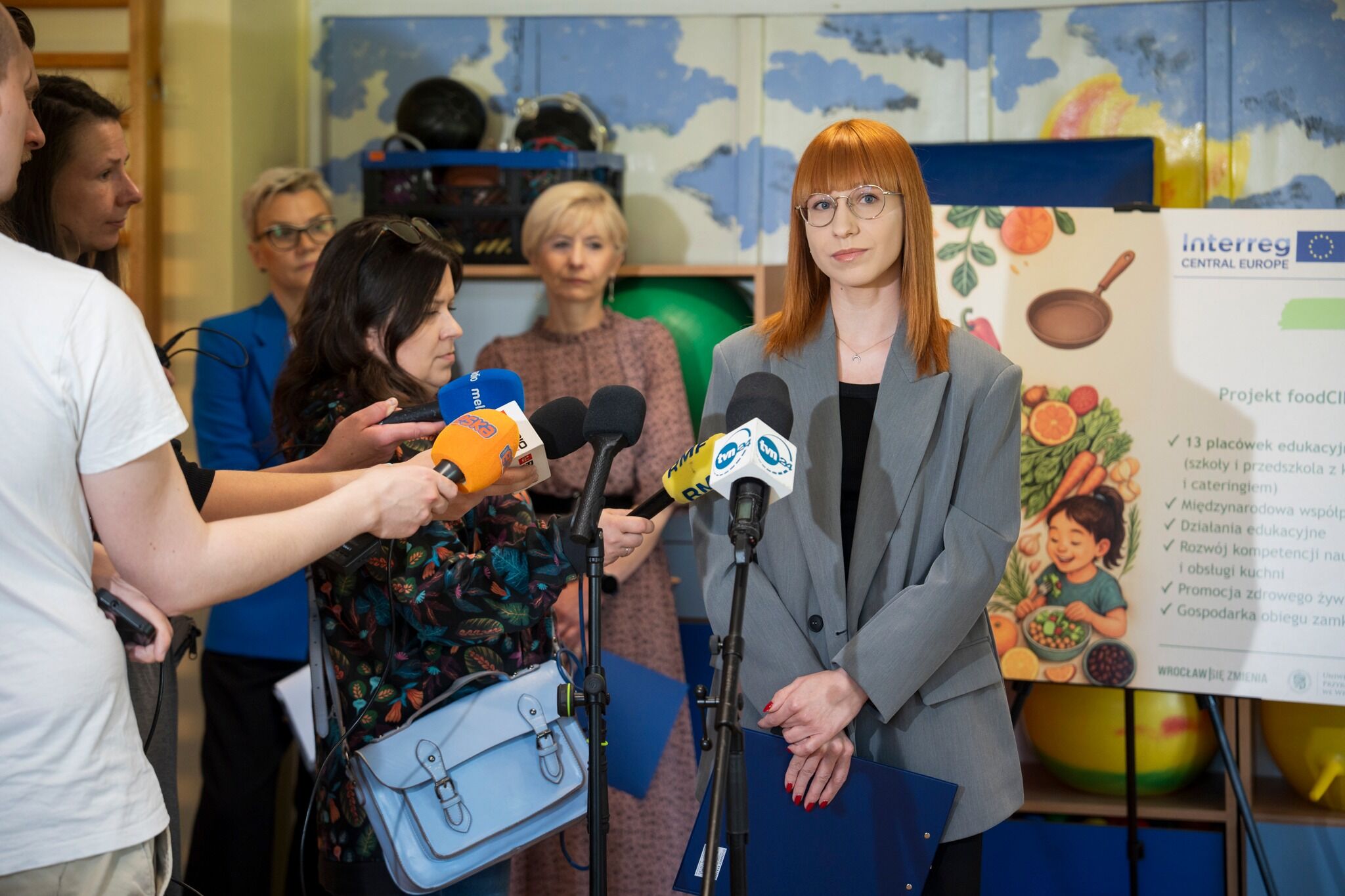
Pilot actions
Outputs
What we deliver at a glance
Pilot Actions and Practical Solutions
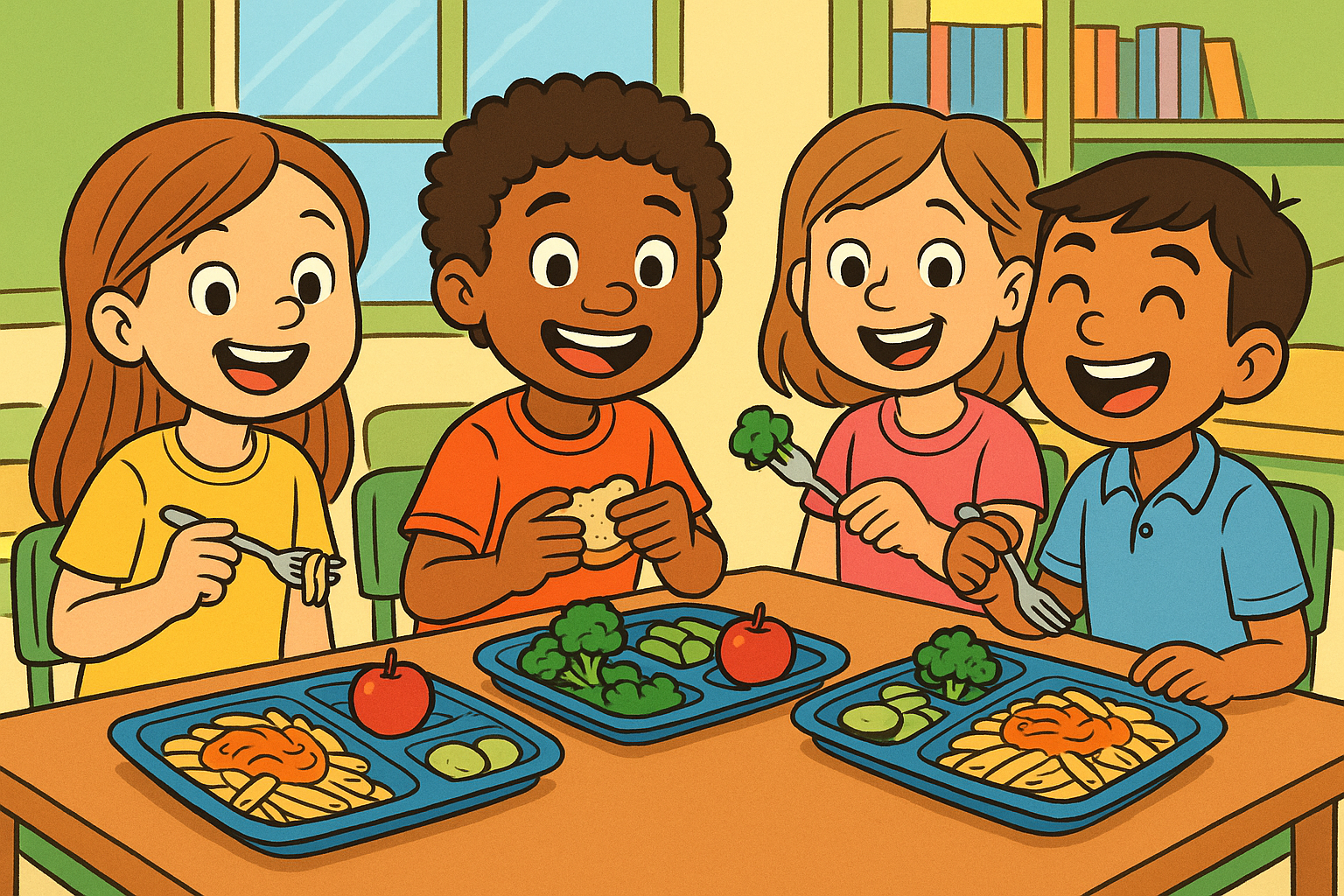
Guideline “Schools against Food Waste”
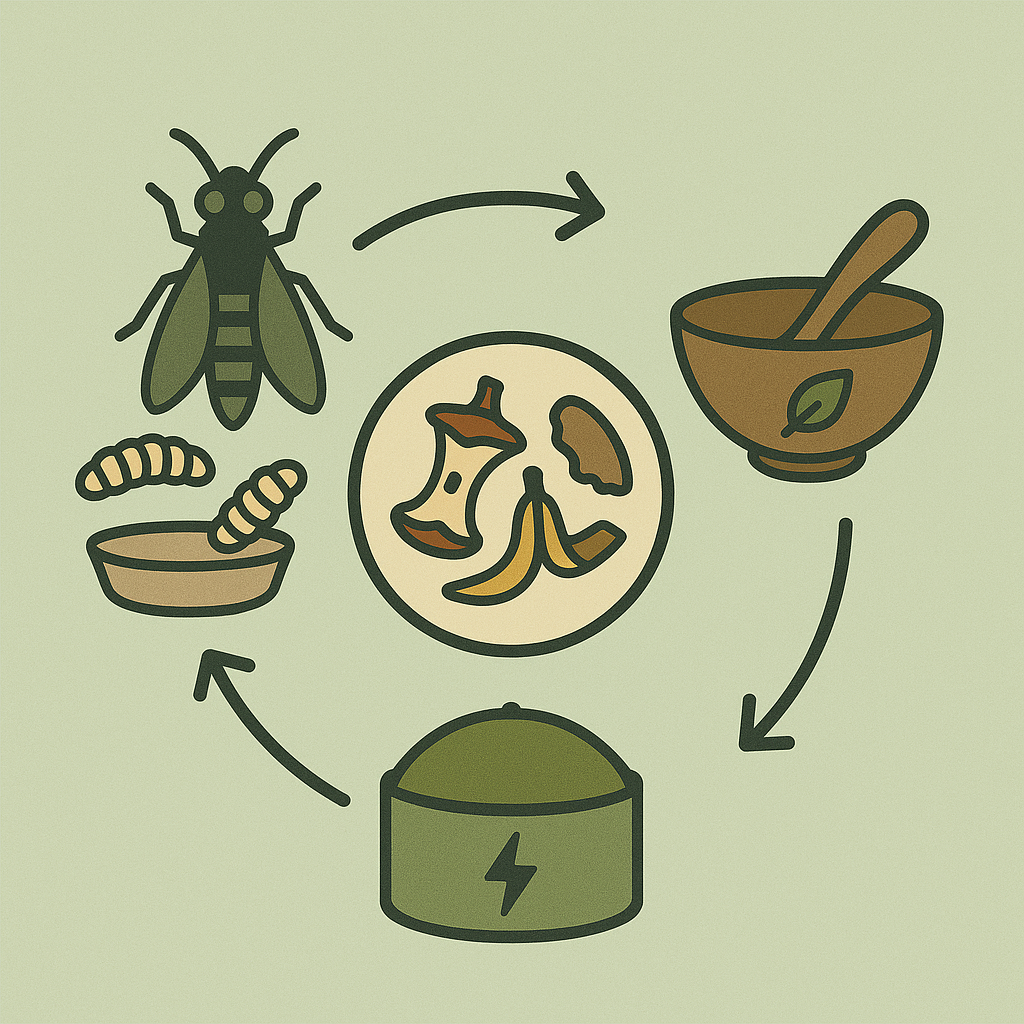
Guideline “Circular Solutions for School Food Waste”
A Common Strategy for Europe
Project videos
Project images
foodCIRCUS
The project lead partner is responsible for the content of this project website.